


Gifting Made Simple
Give the Gift of ChoiceClick below to purchase a Prairie Mall eGift Card that can be used at participating retailers at Prairie Mall.Buy Gift CardHome
Reading Espionage Fiction: Narrative, Conflict and Commitment from World War I to the Contemporary Era
Coles
Loading Inventory...
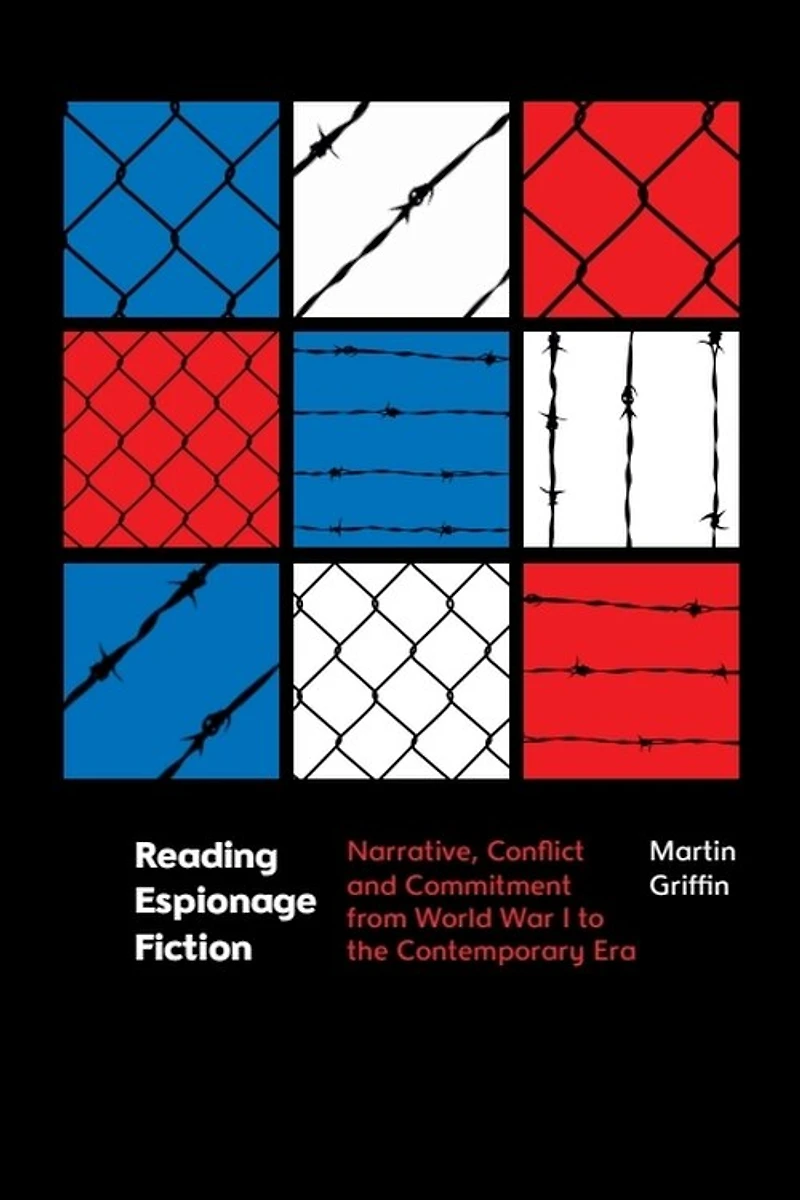
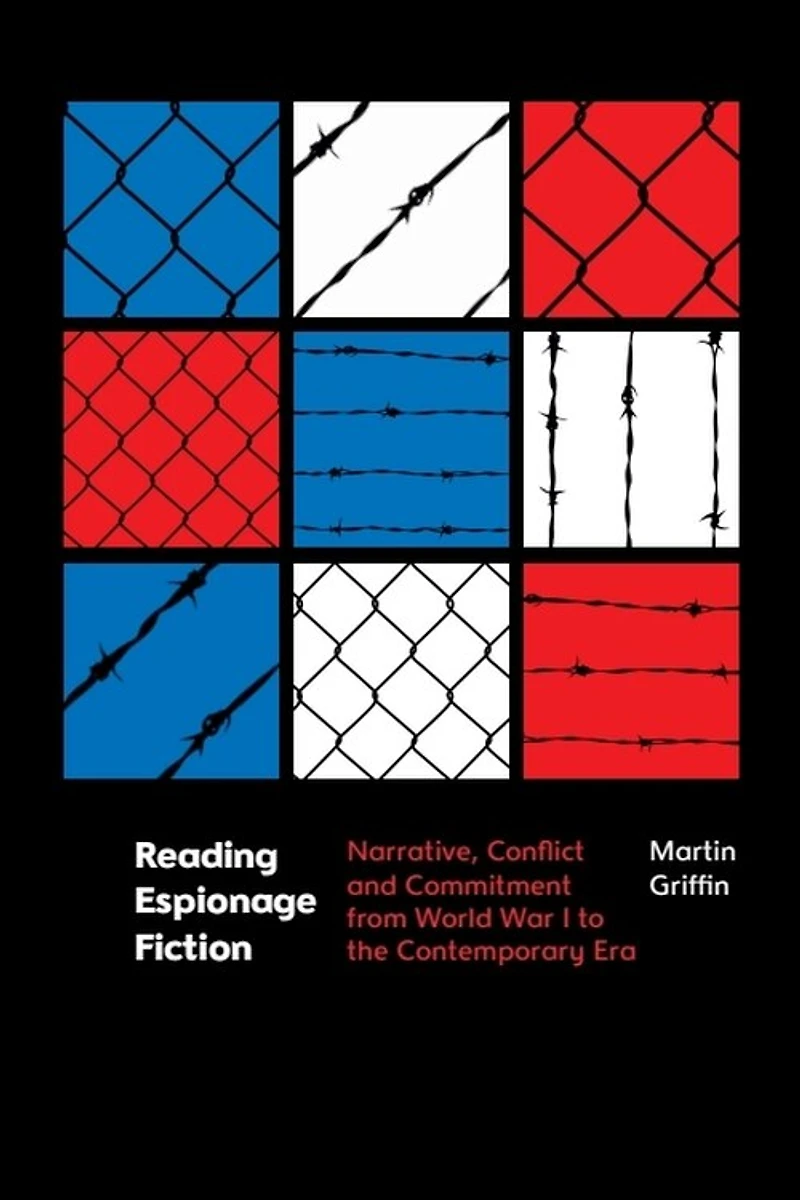
Reading Espionage Fiction: Narrative, Conflict and Commitment from World War I to the Contemporary Era in Grande Prairie, AB
Current price: $151.83
Coles
Reading Espionage Fiction: Narrative, Conflict and Commitment from World War I to the Contemporary Era in Grande Prairie, AB
Current price: $151.83
Loading Inventory...
Size: Hardcover
*Product information and pricing may vary - to confirm current pricing, availability, shipping, and return information please contact Coles. In the event of a pricing discrepancy, the retailer's price will apply.
Reading Espionage Fiction: Narrative, Conflict and Commitment from World War I to the Contemporary Era probes the ways in which the struggles and loyalties of political modernity have been portrayed in the espionage story over the course of the twentieth and twenty-first centuries. Reading works by authors such as Somerset Maugham, Helen MacInnes, John le Carré, Sam E. Greenlee and Gerald Seymour as popular literature deserving of sustained attention, this book shows how these narratives have both created a modern genre and, at the same time, sought an escape from its limitations. Martin Griffin takes up the importance of plot and character and argues that, in this branch of fiction, the personal has always and ever been political.
Reading Espionage Fiction: Narrative, Conflict and Commitment from World War I to the Contemporary Era probes the ways in which the struggles and loyalties of political modernity have been portrayed in the espionage story over the course of the twentieth and twenty-first centuries. Reading works by authors such as Somerset Maugham, Helen MacInnes, John le Carré, Sam E. Greenlee and Gerald Seymour as popular literature deserving of sustained attention, this book shows how these narratives have both created a modern genre and, at the same time, sought an escape from its limitations. Martin Griffin takes up the importance of plot and character and argues that, in this branch of fiction, the personal has always and ever been political.









Find at Prairie Mall in Grande Prairie, AB
Visit at Prairie Mall in Grande Prairie, AB