


Gifting Made Simple
Give the Gift of ChoiceClick below to purchase a Prairie Mall eGift Card that can be used at participating retailers at Prairie Mall.Buy Gift CardHome
Re-Choreographing Cortical & Cartographic Maps: Going West to find East. East
Coles
Loading Inventory...
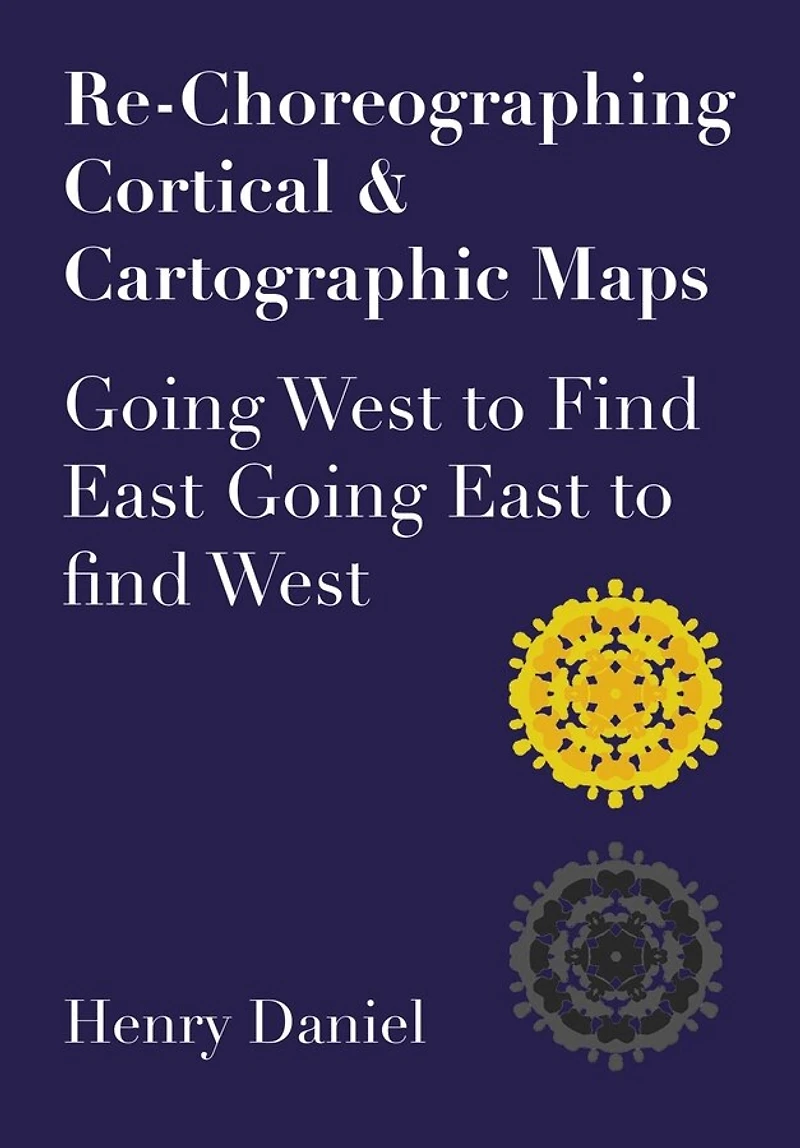
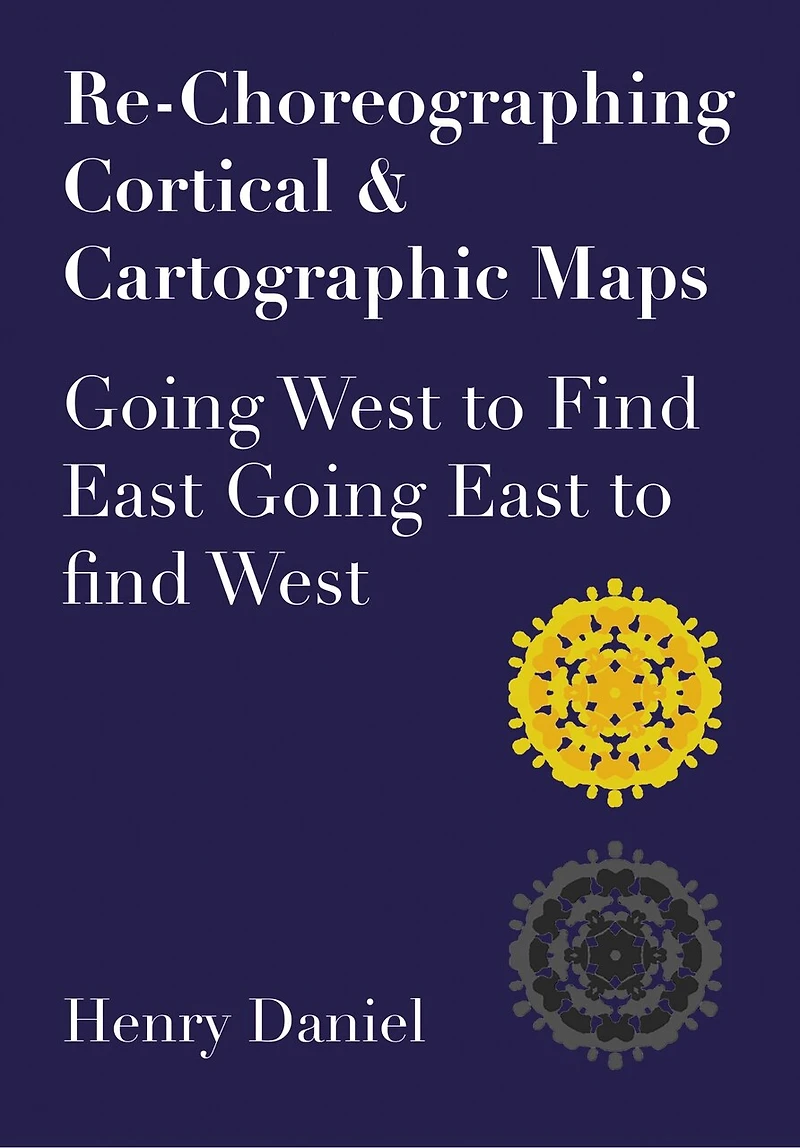
Re-Choreographing Cortical & Cartographic Maps: Going West to find East. East
By None
Current price: $168.95
Coles
Re-Choreographing Cortical & Cartographic Maps: Going West to find East. East
By None
Current price: $168.95
Loading Inventory...
Size: Hardcover
*Product information and pricing may vary - to confirm current pricing, availability, shipping, and return information please contact Coles. In the event of a pricing discrepancy, the retailer's price will apply.
An autoethnographic approach to understanding the neurological process of embodied experiences.
This book is a transdisciplinary approach to practice-as-research, complete with an elaborate theory of practice and a set of four multi-year performance research projects through which the theory plays out. Its methodology is at times ethnographic, as the author deftly inserts himself and his Caribbean West African ancestry into a series of complex cortical and geographic maps, which become choreographic in every sense of the term.
The central argument in the book is based on a claim that human beings are cognitively embodied through their own lived experiences of movement through space and time; the spaces we inhabit and the practices we engage in are documented through cortical and cartographic maps. In short, as we inhabit and move through spaces our brains organize our experiences into unique cortical and spatial maps, which eventually determine how we see and deal with, or “become,” subjects in a world that we also help create. The argument is that through performance, we can claim the knowledge that is in the body as well as in the spaces through which it travels.
An autoethnographic approach to understanding the neurological process of embodied experiences.
This book is a transdisciplinary approach to practice-as-research, complete with an elaborate theory of practice and a set of four multi-year performance research projects through which the theory plays out. Its methodology is at times ethnographic, as the author deftly inserts himself and his Caribbean West African ancestry into a series of complex cortical and geographic maps, which become choreographic in every sense of the term.
The central argument in the book is based on a claim that human beings are cognitively embodied through their own lived experiences of movement through space and time; the spaces we inhabit and the practices we engage in are documented through cortical and cartographic maps. In short, as we inhabit and move through spaces our brains organize our experiences into unique cortical and spatial maps, which eventually determine how we see and deal with, or “become,” subjects in a world that we also help create. The argument is that through performance, we can claim the knowledge that is in the body as well as in the spaces through which it travels.
You May Also Like











More About Coles at Prairie Mall
11801 100 St #104, Grande Prairie, AB T8V 3Y2, Canada
Find Coles at Prairie Mall in Grande Prairie, AB
Visit Coles at Prairie Mall in Grande Prairie, AB