


Gifting Made Simple
Give the Gift of ChoiceClick below to purchase a Prairie Mall eGift Card that can be used at participating retailers at Prairie Mall.Buy Gift CardHome
Railtown: the Fight for Los Angeles Metro Rail and Future of City
Coles
Loading Inventory...
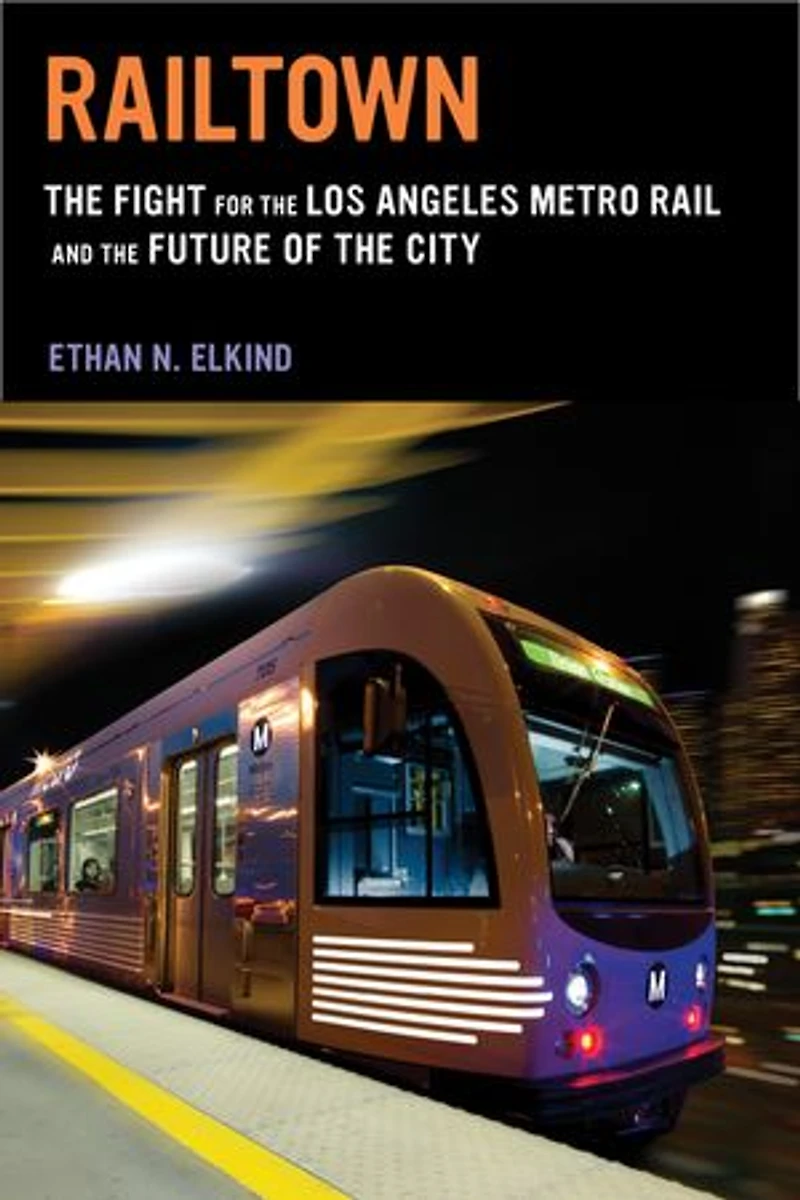
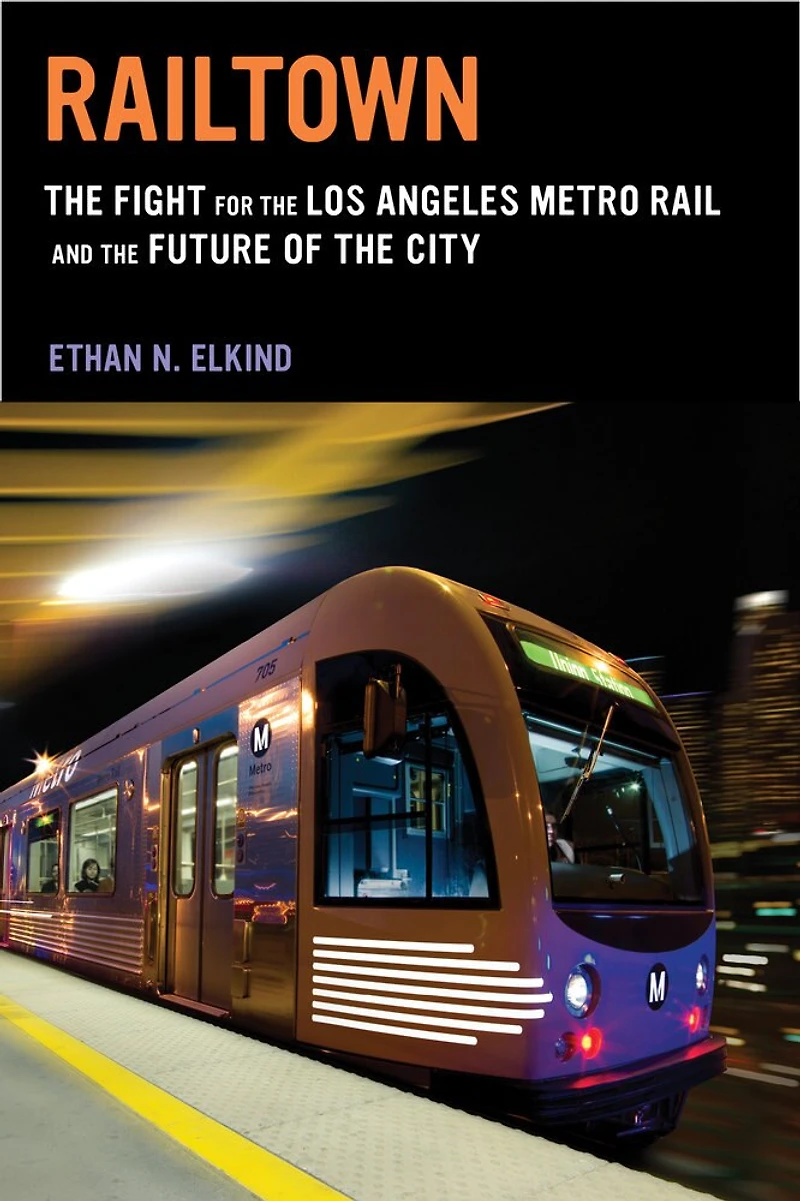
Railtown: the Fight for Los Angeles Metro Rail and Future of City in Grande Prairie, AB
Current price: $32.59
Original price: $40.65
Coles
Railtown: the Fight for Los Angeles Metro Rail and Future of City in Grande Prairie, AB
Current price: $32.59
Original price: $40.65
Loading Inventory...
Size: Kobo eBook
*Product information and pricing may vary - to confirm current pricing, availability, shipping, and return information please contact Coles. In the event of a pricing discrepancy, the retailer's price will apply.
The familiar image of Los Angeles as a metropolis built for the automobile is crumbling. Traffic, air pollution, and sprawl motivated citizens to support urban rail as an alternative to driving, and the city has started to reinvent itself by developing compact neighborhoods adjacent to transit. As a result of pressure from local leaders, particularly with the election of Tom Bradley as mayor in 1973, the Los Angeles Metro Rail gradually took shape in the consummate car city.
Railtown presents the history of this system by drawing on archival documents, contemporary news accounts, and interviews with many of the key players to provide critical behind-the-scenes accounts of the people and forces that shaped the system. Ethan Elkind brings this important story to life by showing how ambitious local leaders zealously advocated for rail transit and ultimately persuaded an ambivalent electorate and federal leaders to support their vision.
Although Metro Rail is growing in ridership and political importance, with expansions in the pipeline, Elkind argues that local leaders will need to reform the rail planning and implementation process to avoid repeating past mistakes and to ensure that Metro Rail supports a burgeoning demand for transit-oriented neighborhoods in Los Angeles. This engaging history of Metro Rail provides lessons for how the American car-dominated cities of today can reinvent themselves as thriving railtowns of tomorrow.
The familiar image of Los Angeles as a metropolis built for the automobile is crumbling. Traffic, air pollution, and sprawl motivated citizens to support urban rail as an alternative to driving, and the city has started to reinvent itself by developing compact neighborhoods adjacent to transit. As a result of pressure from local leaders, particularly with the election of Tom Bradley as mayor in 1973, the Los Angeles Metro Rail gradually took shape in the consummate car city.
Railtown presents the history of this system by drawing on archival documents, contemporary news accounts, and interviews with many of the key players to provide critical behind-the-scenes accounts of the people and forces that shaped the system. Ethan Elkind brings this important story to life by showing how ambitious local leaders zealously advocated for rail transit and ultimately persuaded an ambivalent electorate and federal leaders to support their vision.
Although Metro Rail is growing in ridership and political importance, with expansions in the pipeline, Elkind argues that local leaders will need to reform the rail planning and implementation process to avoid repeating past mistakes and to ensure that Metro Rail supports a burgeoning demand for transit-oriented neighborhoods in Los Angeles. This engaging history of Metro Rail provides lessons for how the American car-dominated cities of today can reinvent themselves as thriving railtowns of tomorrow.
You May Also Like








Find at Prairie Mall in Grande Prairie, AB
Visit at Prairie Mall in Grande Prairie, AB