


Gifting Made Simple
Give the Gift of ChoiceClick below to purchase a Prairie Mall eGift Card that can be used at participating retailers at Prairie Mall.Buy Gift CardHome
Radicalism and indifference: Memory transmission, political formation modernization Hungary Europe
Coles
Loading Inventory...
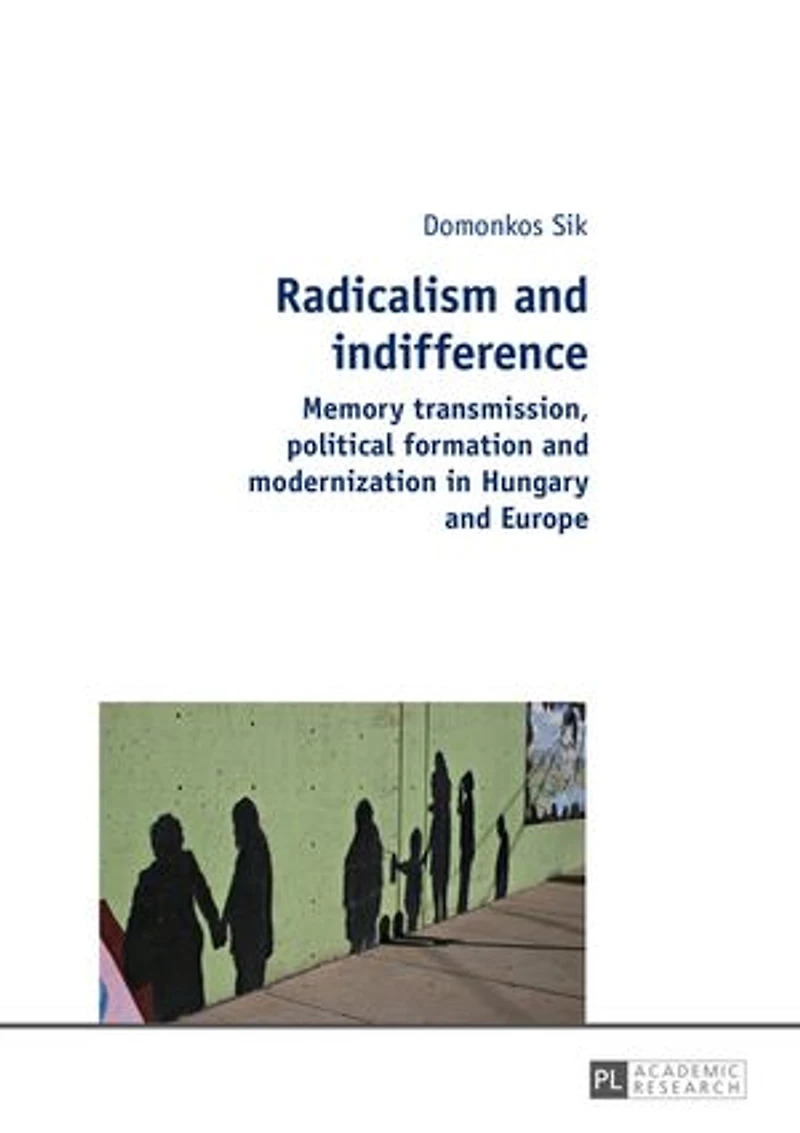
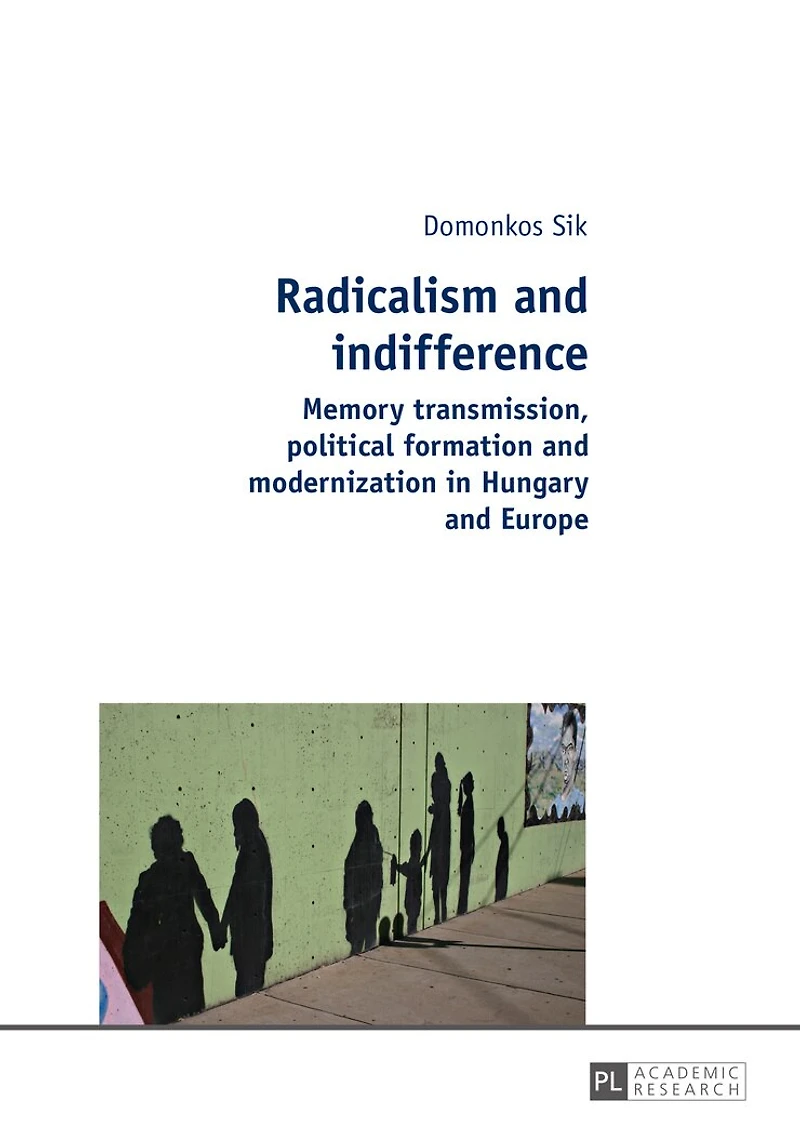
Radicalism and indifference: Memory transmission, political formation modernization Hungary Europe
By None
Current price: $96.99
Original price: $121.20
Coles
Radicalism and indifference: Memory transmission, political formation modernization Hungary Europe
By None
Current price: $96.99
Original price: $121.20
Loading Inventory...
Size: Kobo eBook
*Product information and pricing may vary - to confirm current pricing, availability, shipping, and return information please contact Coles. In the event of a pricing discrepancy, the retailer's price will apply.
Most theories of radicalization focus on the birth of antidemocratic ideas, semantics, behavior patterns and organizations. However, such focus is one-sided: radicalization is as much about the forgetting of historical lessons and the weakening of a democratic consensus, as the spreading of populist ideas. A case study of public and private processes of memory transmission in Hungary reveals how the ambiguous relation to modernization affects political formation: the failures provoke populist reactions, while the successes result in political indifference. The combination of these two political cultures creates a dangerous compound including both the opportunity for the birth of antidemocratic semantics and their ignorance. The author analyzes the potential of such �incubation of radicalism� on a European survey.
Most theories of radicalization focus on the birth of antidemocratic ideas, semantics, behavior patterns and organizations. However, such focus is one-sided: radicalization is as much about the forgetting of historical lessons and the weakening of a democratic consensus, as the spreading of populist ideas. A case study of public and private processes of memory transmission in Hungary reveals how the ambiguous relation to modernization affects political formation: the failures provoke populist reactions, while the successes result in political indifference. The combination of these two political cultures creates a dangerous compound including both the opportunity for the birth of antidemocratic semantics and their ignorance. The author analyzes the potential of such �incubation of radicalism� on a European survey.
You May Also Like











More About Coles at Prairie Mall
11801 100 St #104, Grande Prairie, AB T8V 3Y2, Canada
Find Coles at Prairie Mall in Grande Prairie, AB
Visit Coles at Prairie Mall in Grande Prairie, AB