


Gifting Made Simple
Give the Gift of ChoiceClick below to purchase a Prairie Mall eGift Card that can be used at participating retailers at Prairie Mall.Buy Gift CardHome
Queer and Femme Gazes AfroAsian American Visual Culture
Coles
Loading Inventory...
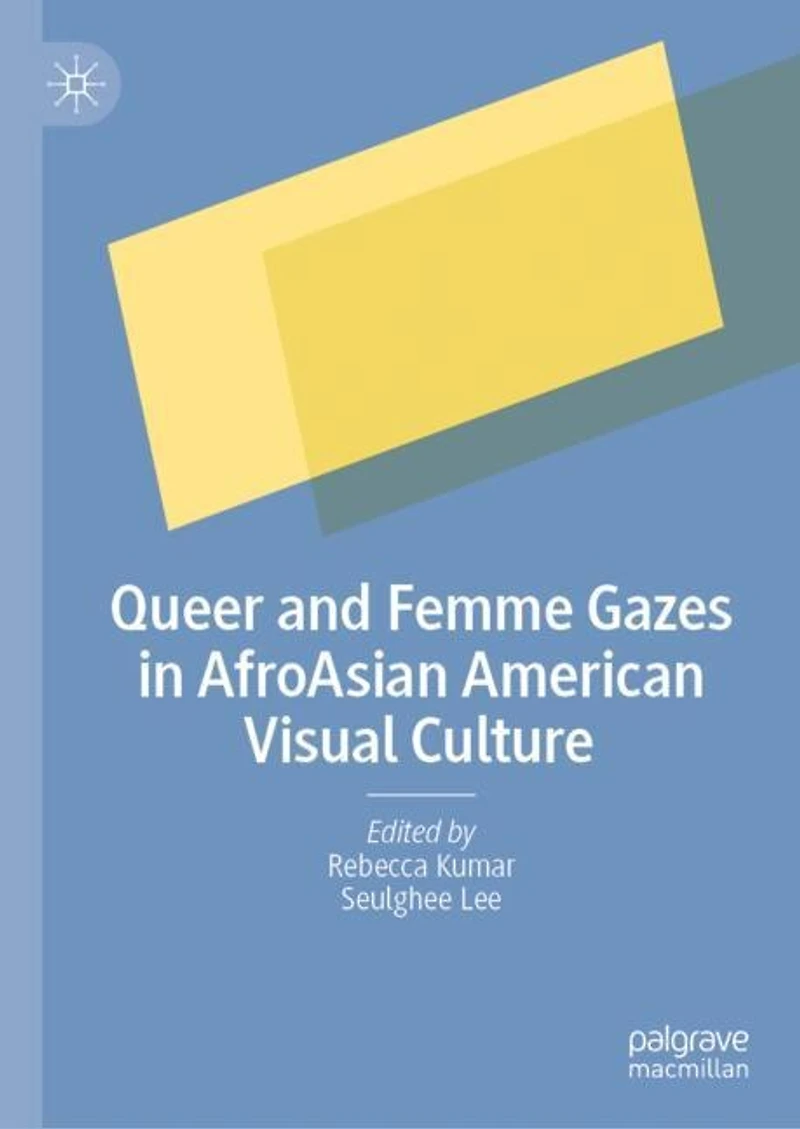
Queer and Femme Gazes AfroAsian American Visual Culture in Grande Prairie, AB
Current price: $204.50
Coles
Queer and Femme Gazes AfroAsian American Visual Culture in Grande Prairie, AB
Current price: $204.50
Loading Inventory...
Size: Hardcover
*Product information and pricing may vary - to confirm current pricing, availability, shipping, and return information please contact Coles. In the event of a pricing discrepancy, the retailer's price will apply.
Queer and Femme Gazes in AfroAsian American Visual Culture is a scholarly collection that takes comparative Black-Asian representations in televisual culture from queer and femme perspectives. AfroAsian representations on screen-as well as their attendant critical gazes-have historically emphasized cross-racial masculinities at the expense of queer and/or femme visions. The prevalence of these previous televisual artefacts-and the ways they have been watched-has contributed directly to white heteronormative legacies within film and visual studies. The collection intervenes by excavating the intimacies and political possibilities within AfroAsian femme, queer, and transgender life. The authors offer alternative ways of looking at racial representation in their attendance to developments in AfroAsian visual culture: music videos, video games, genre serials, and independent and short films.
Queer and Femme Gazes in AfroAsian American Visual Culture is a scholarly collection that takes comparative Black-Asian representations in televisual culture from queer and femme perspectives. AfroAsian representations on screen-as well as their attendant critical gazes-have historically emphasized cross-racial masculinities at the expense of queer and/or femme visions. The prevalence of these previous televisual artefacts-and the ways they have been watched-has contributed directly to white heteronormative legacies within film and visual studies. The collection intervenes by excavating the intimacies and political possibilities within AfroAsian femme, queer, and transgender life. The authors offer alternative ways of looking at racial representation in their attendance to developments in AfroAsian visual culture: music videos, video games, genre serials, and independent and short films.
You May Also Like










Find at Prairie Mall in Grande Prairie, AB
Visit at Prairie Mall in Grande Prairie, AB