


Gifting Made Simple
Give the Gift of ChoiceClick below to purchase a Prairie Mall eGift Card that can be used at participating retailers at Prairie Mall.Buy Gift CardHome
Quantitative Analysis and Optimal Control of Energy Efficiency Discrete Manufacturing System
Coles
Loading Inventory...
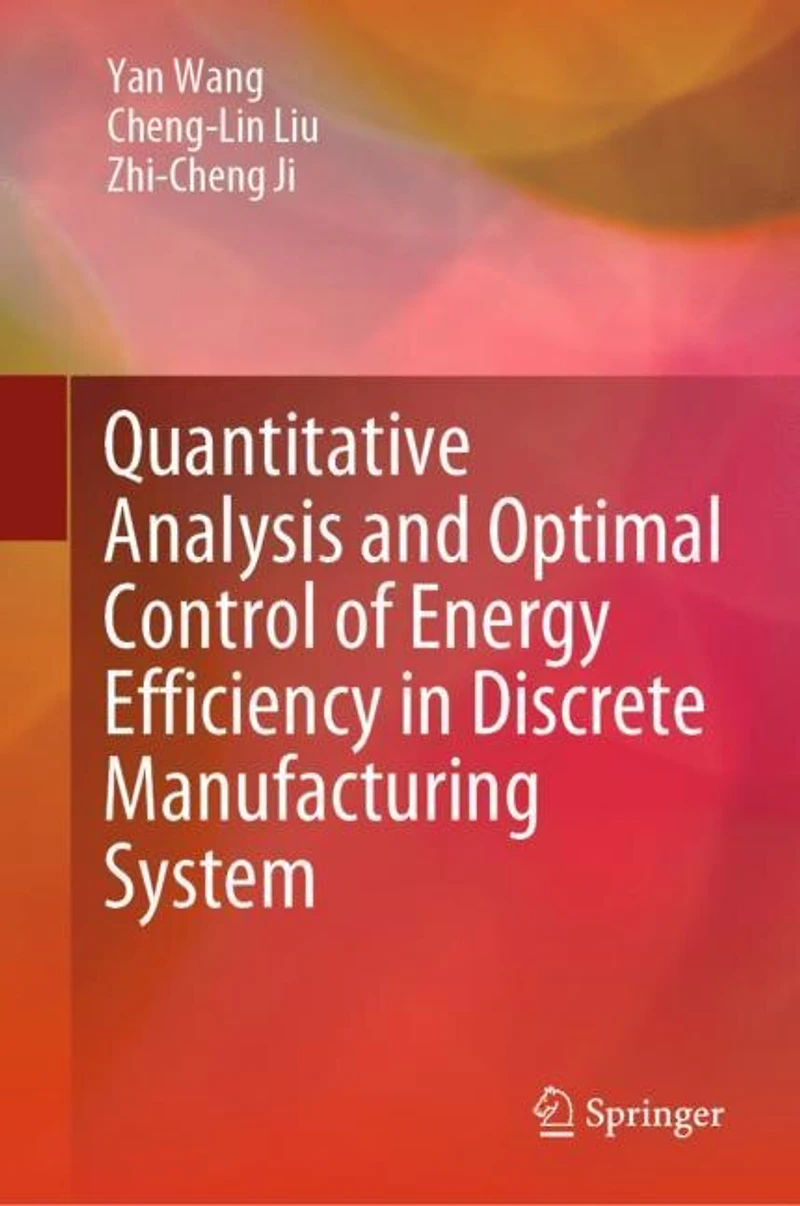
Quantitative Analysis and Optimal Control of Energy Efficiency Discrete Manufacturing System in Grande Prairie, AB
Current price: $248.50
Coles
Quantitative Analysis and Optimal Control of Energy Efficiency Discrete Manufacturing System in Grande Prairie, AB
Current price: $248.50
Loading Inventory...
Size: Hardcover
*Product information and pricing may vary - to confirm current pricing, availability, shipping, and return information please contact Coles. In the event of a pricing discrepancy, the retailer's price will apply.
This book provides energy efficiency quantitative analysis and optimal methods for discrete manufacturing systems from the perspective of global optimization. In order to analyze and optimize energy efficiency for discrete manufacturing systems, it uses real-time access to energy consumption information and models of the energy consumption, and constructs an energy efficiency quantitative index system. Based on the rough set and analytic hierarchy process, it also proposes a principal component quantitative analysis and a combined energy efficiency quantitative analysis. In turn, the book addresses the design and development of quantitative analysis systems. To save energy consumption on the basis of energy efficiency analysis, it presents several optimal control strategies, including one for single-machine equipment, an integrated approach based on RWA-MOPSO, and one for production energy efficiency based on a teaching and learning optimal algorithm. Given its scope, the book offers a valuable guide for students, teachers, engineers and researchers in the field of discrete manufacturing systems.
This book provides energy efficiency quantitative analysis and optimal methods for discrete manufacturing systems from the perspective of global optimization. In order to analyze and optimize energy efficiency for discrete manufacturing systems, it uses real-time access to energy consumption information and models of the energy consumption, and constructs an energy efficiency quantitative index system. Based on the rough set and analytic hierarchy process, it also proposes a principal component quantitative analysis and a combined energy efficiency quantitative analysis. In turn, the book addresses the design and development of quantitative analysis systems. To save energy consumption on the basis of energy efficiency analysis, it presents several optimal control strategies, including one for single-machine equipment, an integrated approach based on RWA-MOPSO, and one for production energy efficiency based on a teaching and learning optimal algorithm. Given its scope, the book offers a valuable guide for students, teachers, engineers and researchers in the field of discrete manufacturing systems.
You May Also Like










Find at Prairie Mall in Grande Prairie, AB
Visit at Prairie Mall in Grande Prairie, AB