


Gifting Made Simple
Give the Gift of ChoiceClick below to purchase a Prairie Mall eGift Card that can be used at participating retailers at Prairie Mall.Buy Gift CardHome
Pyrrhic Progress: The History Of Antibiotics Anglo-american Food Production
Coles
Loading Inventory...
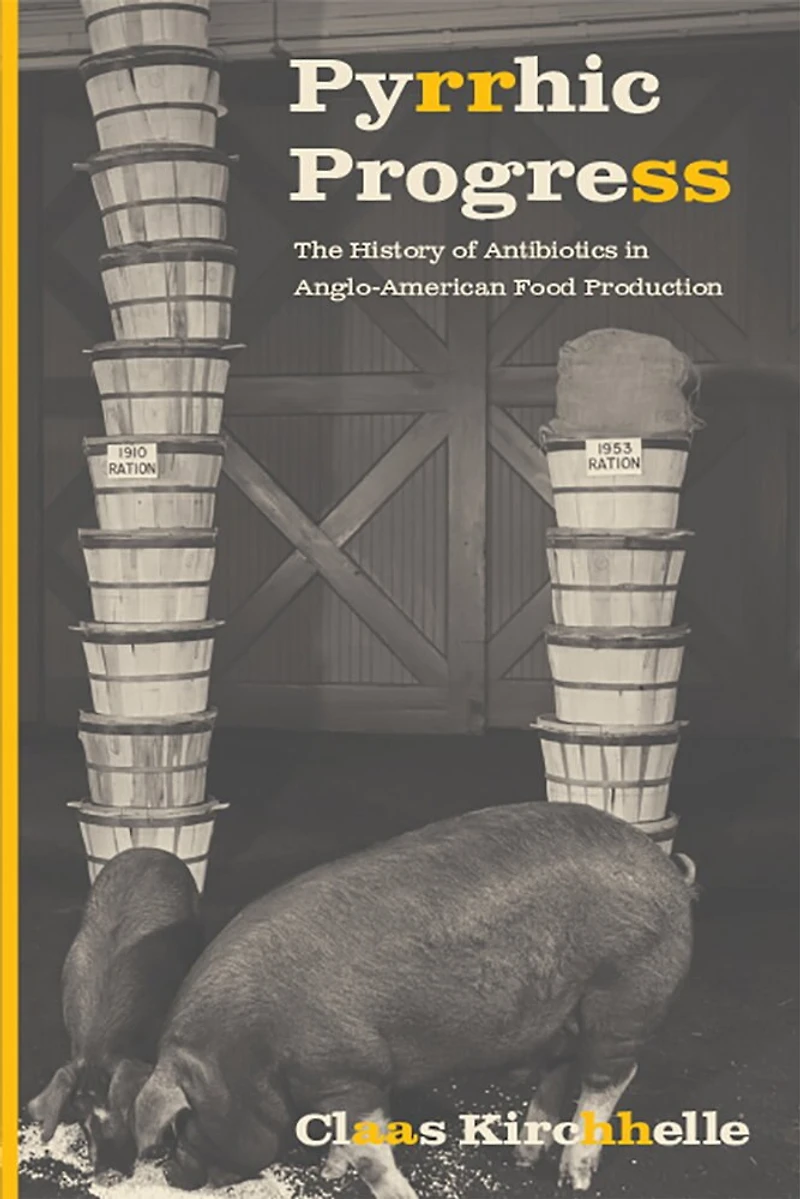
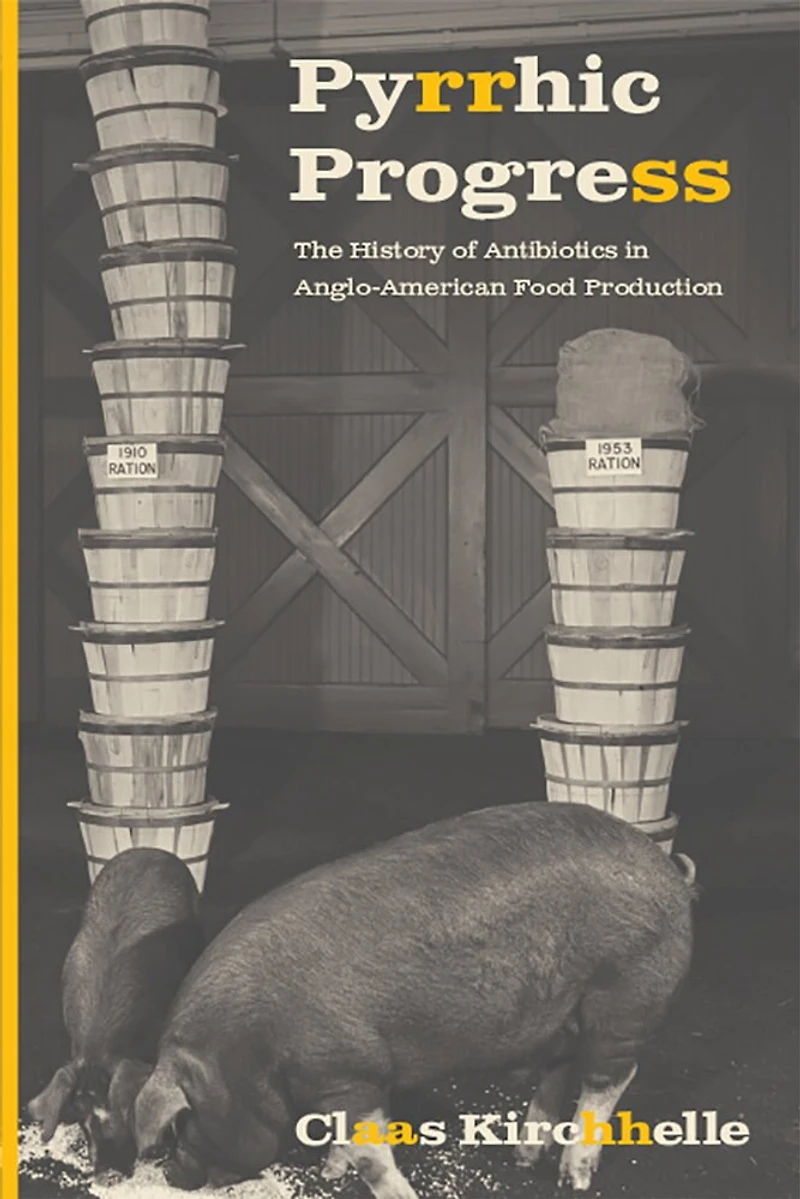
Pyrrhic Progress: The History Of Antibiotics Anglo-american Food Production in Grande Prairie, AB
Current price: $150.00
Coles
Pyrrhic Progress: The History Of Antibiotics Anglo-american Food Production in Grande Prairie, AB
Current price: $150.00
Loading Inventory...
Size: Hardcover
*Product information and pricing may vary - to confirm current pricing, availability, shipping, and return information please contact Coles. In the event of a pricing discrepancy, the retailer's price will apply.
Winner of the 2021 Joan Thirsk Memorial Prize from the British Agricultural History Society
2020 Choice Outstanding Academic Title
Winner of the 2020 Turriano Prize from ICOHTEC
Short-listed and highly commended for the Antibiotic Guardian Award from Public Health England
Long-listed for the Michel Déon Prize from the Royal Irish Academy
Pyrrhic Progress analyses over half a century of antibiotic use, regulation, and resistance in US and British food production. Mass-introduced after 1945, antibiotics helped revolutionize post-war agriculture. Food producers used antibiotics to prevent and treat disease, protect plants, preserve food, and promote animals' growth. Many soon became dependent on routine antibiotic use to sustain and increase production. The resulting growth of antibiotic infrastructures came at a price. Critics blamed antibiotics for leaving dangerous residues in food, enabling bad animal welfare, and selecting for antimicrobial resistance (AMR) in bacteria, which could no longer be treated with antibiotics. Pyrrhic Progress reconstructs the complicated negotiations that accompanied this process of risk prioritization between consumers, farmers, and regulators on both sides of the Atlantic. Unsurprisingly, solutions differed: while Europeans implemented precautionary antibiotic restrictions to curb AMR, consumer concerns and cost-benefit assessments made US regulators focus on curbing drug residues in food. The result was a growing divergence of antibiotic stewardship and a rise of AMR. Kirchhelle's comprehensive analysis of evolving non-human antibiotic use and the historical complexities of antibiotic stewardship provides important insights for current debates on the global burden of AMR. This Open Access ebook is available under a CC-BY-NC-ND license, and is supported by a generous grant from Wellcome Trust.
Winner of the 2021 Joan Thirsk Memorial Prize from the British Agricultural History Society
2020 Choice Outstanding Academic Title
Winner of the 2020 Turriano Prize from ICOHTEC
Short-listed and highly commended for the Antibiotic Guardian Award from Public Health England
Long-listed for the Michel Déon Prize from the Royal Irish Academy
Pyrrhic Progress analyses over half a century of antibiotic use, regulation, and resistance in US and British food production. Mass-introduced after 1945, antibiotics helped revolutionize post-war agriculture. Food producers used antibiotics to prevent and treat disease, protect plants, preserve food, and promote animals' growth. Many soon became dependent on routine antibiotic use to sustain and increase production. The resulting growth of antibiotic infrastructures came at a price. Critics blamed antibiotics for leaving dangerous residues in food, enabling bad animal welfare, and selecting for antimicrobial resistance (AMR) in bacteria, which could no longer be treated with antibiotics. Pyrrhic Progress reconstructs the complicated negotiations that accompanied this process of risk prioritization between consumers, farmers, and regulators on both sides of the Atlantic. Unsurprisingly, solutions differed: while Europeans implemented precautionary antibiotic restrictions to curb AMR, consumer concerns and cost-benefit assessments made US regulators focus on curbing drug residues in food. The result was a growing divergence of antibiotic stewardship and a rise of AMR. Kirchhelle's comprehensive analysis of evolving non-human antibiotic use and the historical complexities of antibiotic stewardship provides important insights for current debates on the global burden of AMR. This Open Access ebook is available under a CC-BY-NC-ND license, and is supported by a generous grant from Wellcome Trust.
You May Also Like














Find at Prairie Mall in Grande Prairie, AB
Visit at Prairie Mall in Grande Prairie, AB