


Gifting Made Simple
Give the Gift of ChoiceClick below to purchase a Prairie Mall eGift Card that can be used at participating retailers at Prairie Mall.Buy Gift CardHome
Psychophysiology of the Gastrointestinal Tract: Experimental and Clinical Applications
Coles
Loading Inventory...
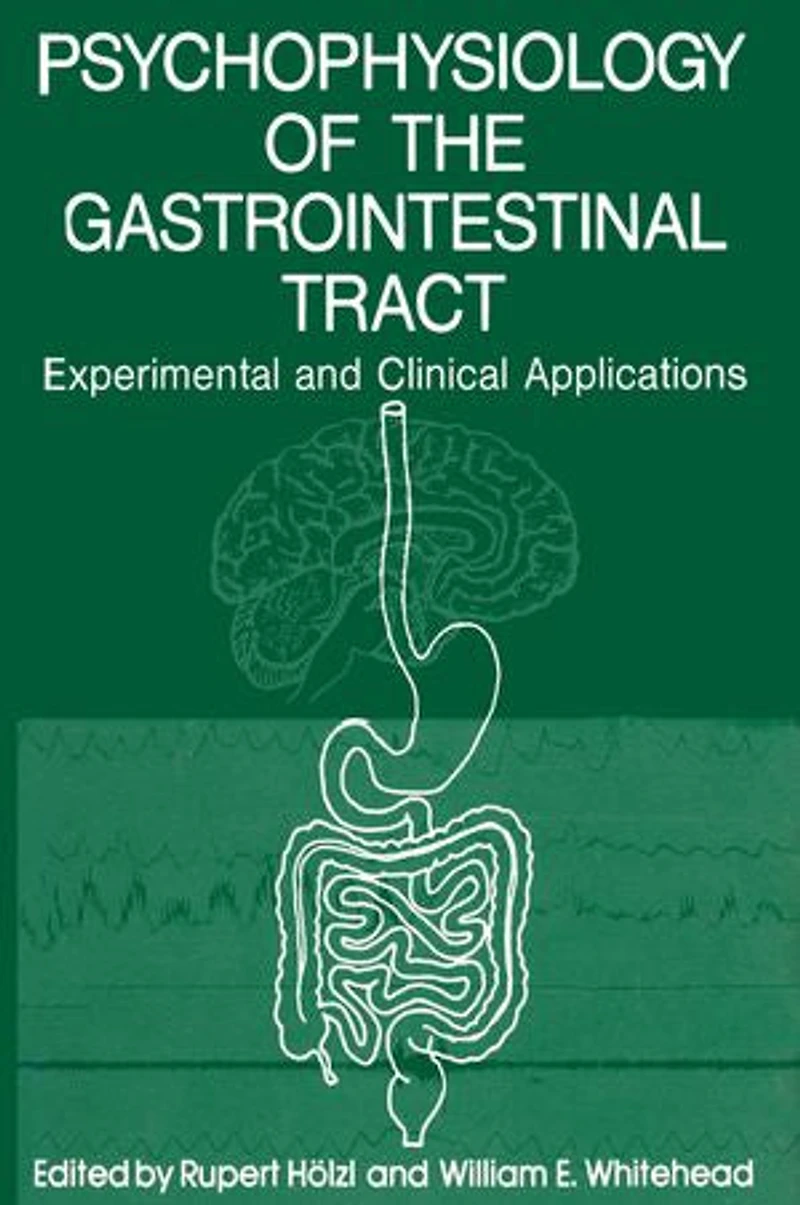
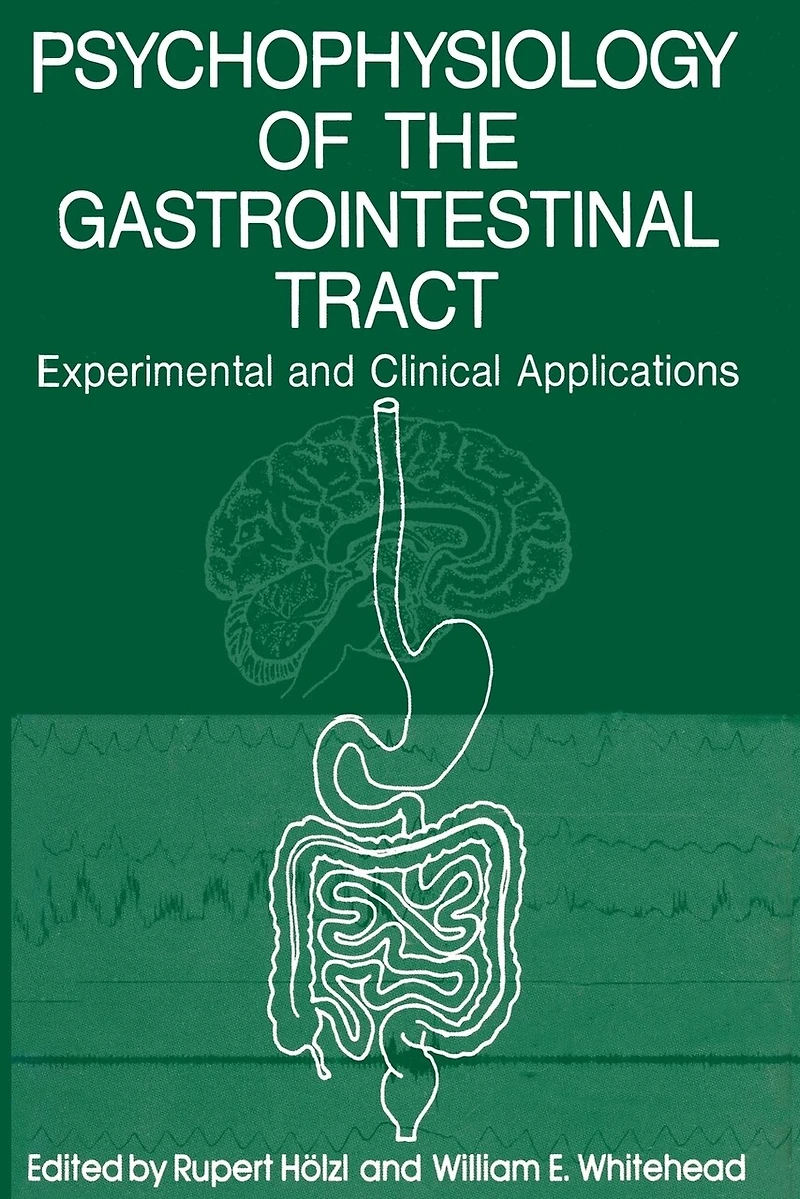
Psychophysiology of the Gastrointestinal Tract: Experimental and Clinical Applications in Grande Prairie, AB
Current price: $116.09
Original price: $145.12
Coles
Psychophysiology of the Gastrointestinal Tract: Experimental and Clinical Applications in Grande Prairie, AB
Current price: $116.09
Original price: $145.12
Loading Inventory...
Size: Kobo eBook
*Product information and pricing may vary - to confirm current pricing, availability, shipping, and return information please contact Coles. In the event of a pricing discrepancy, the retailer's price will apply.
Over a quarter century ago, Flanders Dunbar, in her 1954 compendium on "Emotion and Bodily Changes," surveyed over 5,000 references on psychoso- matic interrelationships, including a literature on psychic factors in gastrointesti- nal disorders dating back to 1845. The title of the present volume suggests a line of descent from these early initiatives, but important changes are in the making. Indeed, the form and substance of long overdue reformulations are clearly re- flected in the scholarly contributions which enhance this report of the 1980 Munich symposium proceedings. Traditional psychosomatic approaches to understanding the gastrointestinal system and its functional disorders have been based in large part on two virtually unchallenged assumptions. In the first instance, unobserved (indeed unobserva- ble) "psychological processes" have been considered causally related to disease onset and/or to fluctuations in the course of the disease. And secondly, it has been assumed that "psychotherapeutic" interventions for disease management should be designed to alter these hypothesized "psychic" antecedents. More recently, however, a new paradigm for analyzing the relationships involving disordered physiological functions and behavioral interactions has been devel- oped within the framework of what has been termed behavioral medicine. The conceptual boundaries of this relatively new approach to behavioral physiology have not yet been firmly established, but the major differences between the new "behavioral" model and the traditional "psychosomatic" model are brought into sharp relief by the experimental and clinical contributions to the present volume.
Over a quarter century ago, Flanders Dunbar, in her 1954 compendium on "Emotion and Bodily Changes," surveyed over 5,000 references on psychoso- matic interrelationships, including a literature on psychic factors in gastrointesti- nal disorders dating back to 1845. The title of the present volume suggests a line of descent from these early initiatives, but important changes are in the making. Indeed, the form and substance of long overdue reformulations are clearly re- flected in the scholarly contributions which enhance this report of the 1980 Munich symposium proceedings. Traditional psychosomatic approaches to understanding the gastrointestinal system and its functional disorders have been based in large part on two virtually unchallenged assumptions. In the first instance, unobserved (indeed unobserva- ble) "psychological processes" have been considered causally related to disease onset and/or to fluctuations in the course of the disease. And secondly, it has been assumed that "psychotherapeutic" interventions for disease management should be designed to alter these hypothesized "psychic" antecedents. More recently, however, a new paradigm for analyzing the relationships involving disordered physiological functions and behavioral interactions has been devel- oped within the framework of what has been termed behavioral medicine. The conceptual boundaries of this relatively new approach to behavioral physiology have not yet been firmly established, but the major differences between the new "behavioral" model and the traditional "psychosomatic" model are brought into sharp relief by the experimental and clinical contributions to the present volume.
You May Also Like















Find at Prairie Mall in Grande Prairie, AB
Visit at Prairie Mall in Grande Prairie, AB