


Gifting Made Simple
Give the Gift of ChoiceClick below to purchase a Prairie Mall eGift Card that can be used at participating retailers at Prairie Mall.Buy Gift CardHome
Propaganda Performed: Kamishibai in Japan's Fifteen-Year War
Coles
Loading Inventory...
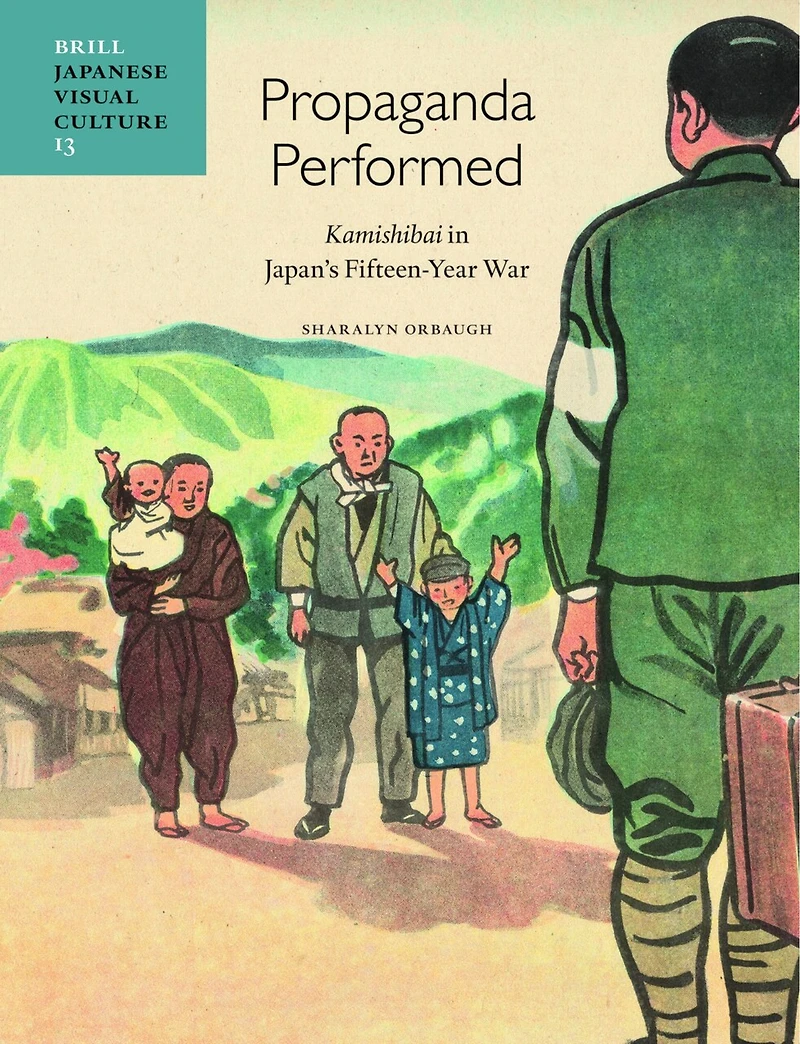
Propaganda Performed: Kamishibai in Japan's Fifteen-Year War in Grande Prairie, AB
Current price: $237.99
Coles
Propaganda Performed: Kamishibai in Japan's Fifteen-Year War in Grande Prairie, AB
Current price: $237.99
Loading Inventory...
Size: Hardcover
*Product information and pricing may vary - to confirm current pricing, availability, shipping, and return information please contact Coles. In the event of a pricing discrepancy, the retailer's price will apply.
The first in-depth scholarly study in English of the Japanese performance medium kamishibai , Sharalyn Orbaugh’s Propaganda Performed illuminates the vibrant street culture of 1930s Japan as well as the visual and narrative rhetoric of Japanese propaganda in World War II. Emerging from Japan’s cities in the late 1920s, kamishibai rapidly transformed from a cheap amusement associated with poverty into the most popular form of juvenile entertainment, eclipsing even film and manga. By the time kamishibai died as a living medium in the 1970s it had left behind indelible influences on popular culture forms such as manga and anime, as well as on avant-garde cinema, theater, and art.
From 1932 to 1945, however, kamishibai also became a vehicle for propaganda messages aimed not primarily at children, but at adults. A mixture of script, image, and performance, the medium was particularly suited to conveying populist, emotionally compelling messages to audiences of all classes, ages, and literacy levels, making it a crucial tool in the government’s efforts to mobilize the domestic populace in Japan and to pacify the inhabitants of the empire’s colonies and occupied territories. With seven complete translations of wartime plays, over 300 color illustrations from hard-to-access kamishibai play cards, and photographs of prewar performances, this study constitutes an archive of wartime history in addition to providing a detailed analysis of the rhetoric of political persuasion.
The first in-depth scholarly study in English of the Japanese performance medium kamishibai , Sharalyn Orbaugh’s Propaganda Performed illuminates the vibrant street culture of 1930s Japan as well as the visual and narrative rhetoric of Japanese propaganda in World War II. Emerging from Japan’s cities in the late 1920s, kamishibai rapidly transformed from a cheap amusement associated with poverty into the most popular form of juvenile entertainment, eclipsing even film and manga. By the time kamishibai died as a living medium in the 1970s it had left behind indelible influences on popular culture forms such as manga and anime, as well as on avant-garde cinema, theater, and art.
From 1932 to 1945, however, kamishibai also became a vehicle for propaganda messages aimed not primarily at children, but at adults. A mixture of script, image, and performance, the medium was particularly suited to conveying populist, emotionally compelling messages to audiences of all classes, ages, and literacy levels, making it a crucial tool in the government’s efforts to mobilize the domestic populace in Japan and to pacify the inhabitants of the empire’s colonies and occupied territories. With seven complete translations of wartime plays, over 300 color illustrations from hard-to-access kamishibai play cards, and photographs of prewar performances, this study constitutes an archive of wartime history in addition to providing a detailed analysis of the rhetoric of political persuasion.
You May Also Like











Find at Prairie Mall in Grande Prairie, AB
Visit at Prairie Mall in Grande Prairie, AB