


Gifting Made Simple
Give the Gift of ChoiceClick below to purchase a Prairie Mall eGift Card that can be used at participating retailers at Prairie Mall.Buy Gift CardHome
Progress and Religion: An Historical Inquiry
Coles
Loading Inventory...
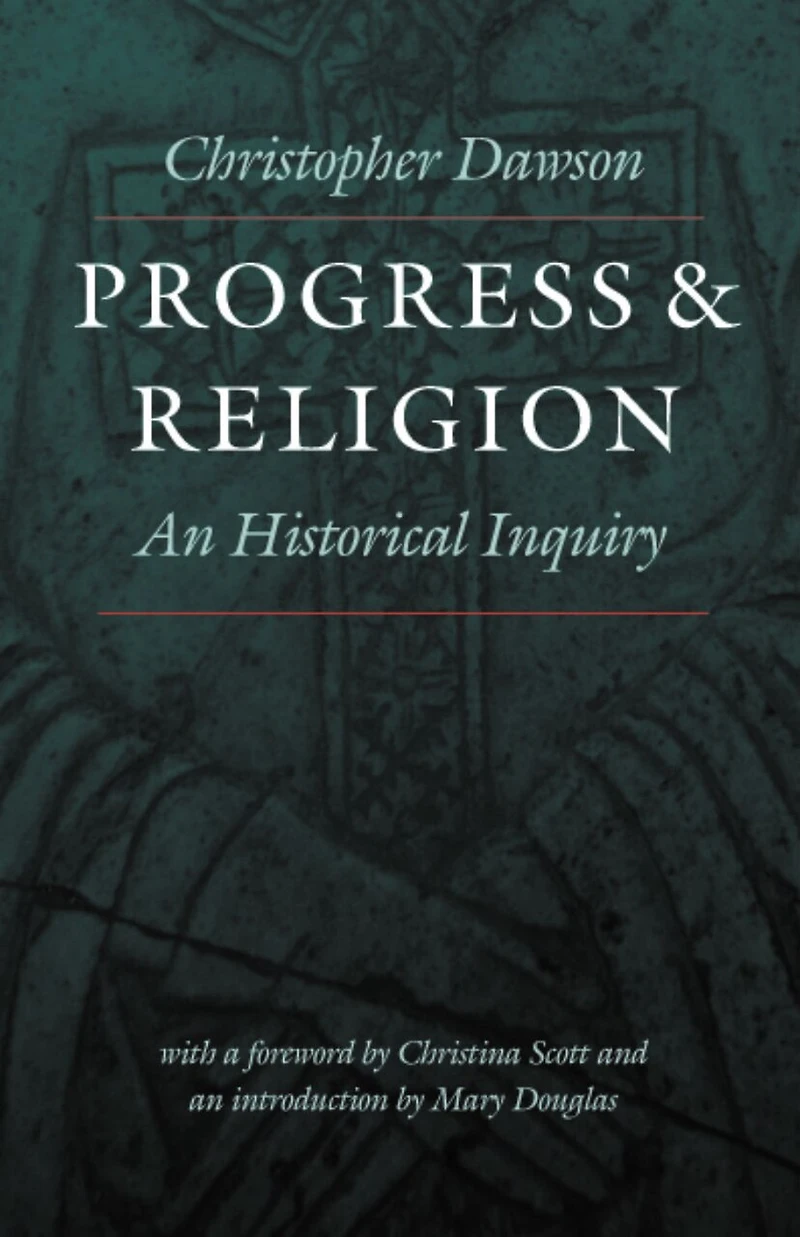
Progress and Religion: An Historical Inquiry in Grande Prairie, AB
Current price: $32.95
Coles
Progress and Religion: An Historical Inquiry in Grande Prairie, AB
Current price: $32.95
Loading Inventory...
Size: Paperback
*Product information and pricing may vary - to confirm current pricing, availability, shipping, and return information please contact Coles. In the event of a pricing discrepancy, the retailer's price will apply.
Progress and Religion was perhaps the most influential of all Christopher Dawson's books, establishing him as an interpreter of history and a historian of ideas. It has been described as a brilliant work of synthesis, for in this single volume he outlined his main thesis for the history of culture, which was his life's work. Anthropology, sociology, philosophy, religion, and history formed the backdrop for the key idea of his thought—namely, that religion is the soul of a culture and that a society or culture which has lost its spiritual roots is a dying culture. To Dawson, a return to the Christian culture that had formed Western civilization was the only remedy for a world adrift.
Dawson was writing in a period between the two great wars of the twentieth century, a time when some thought that the idea of progress had finally been discredited by the carnage and barbarism of the First World War. Progress and Religion was clearly intended to challenge the doctrine of progress, the rather naïve but persistent belief that 'in every day and in every way the world grows better and better.'
Dawson argued that Western civilization was at a turning point and confronted with two real choices: reappropriate a vital Christian culture or move increasingly toward more dangerous and alienated expressions of consumerism and totalitarianism. In Progress and Religion , he contends that no culture could truly thrive if cut off from its religious roots.
Progress and Religion was perhaps the most influential of all Christopher Dawson's books, establishing him as an interpreter of history and a historian of ideas. It has been described as a brilliant work of synthesis, for in this single volume he outlined his main thesis for the history of culture, which was his life's work. Anthropology, sociology, philosophy, religion, and history formed the backdrop for the key idea of his thought—namely, that religion is the soul of a culture and that a society or culture which has lost its spiritual roots is a dying culture. To Dawson, a return to the Christian culture that had formed Western civilization was the only remedy for a world adrift.
Dawson was writing in a period between the two great wars of the twentieth century, a time when some thought that the idea of progress had finally been discredited by the carnage and barbarism of the First World War. Progress and Religion was clearly intended to challenge the doctrine of progress, the rather naïve but persistent belief that 'in every day and in every way the world grows better and better.'
Dawson argued that Western civilization was at a turning point and confronted with two real choices: reappropriate a vital Christian culture or move increasingly toward more dangerous and alienated expressions of consumerism and totalitarianism. In Progress and Religion , he contends that no culture could truly thrive if cut off from its religious roots.
You May Also Like









Find at Prairie Mall in Grande Prairie, AB
Visit at Prairie Mall in Grande Prairie, AB