


Gifting Made Simple
Give the Gift of ChoiceClick below to purchase a Prairie Mall eGift Card that can be used at participating retailers at Prairie Mall.Buy Gift CardHome
Proceedings of the Boston Area Colloquium in Ancient Philosophy: Volume XXXI (2015)
Coles
Loading Inventory...
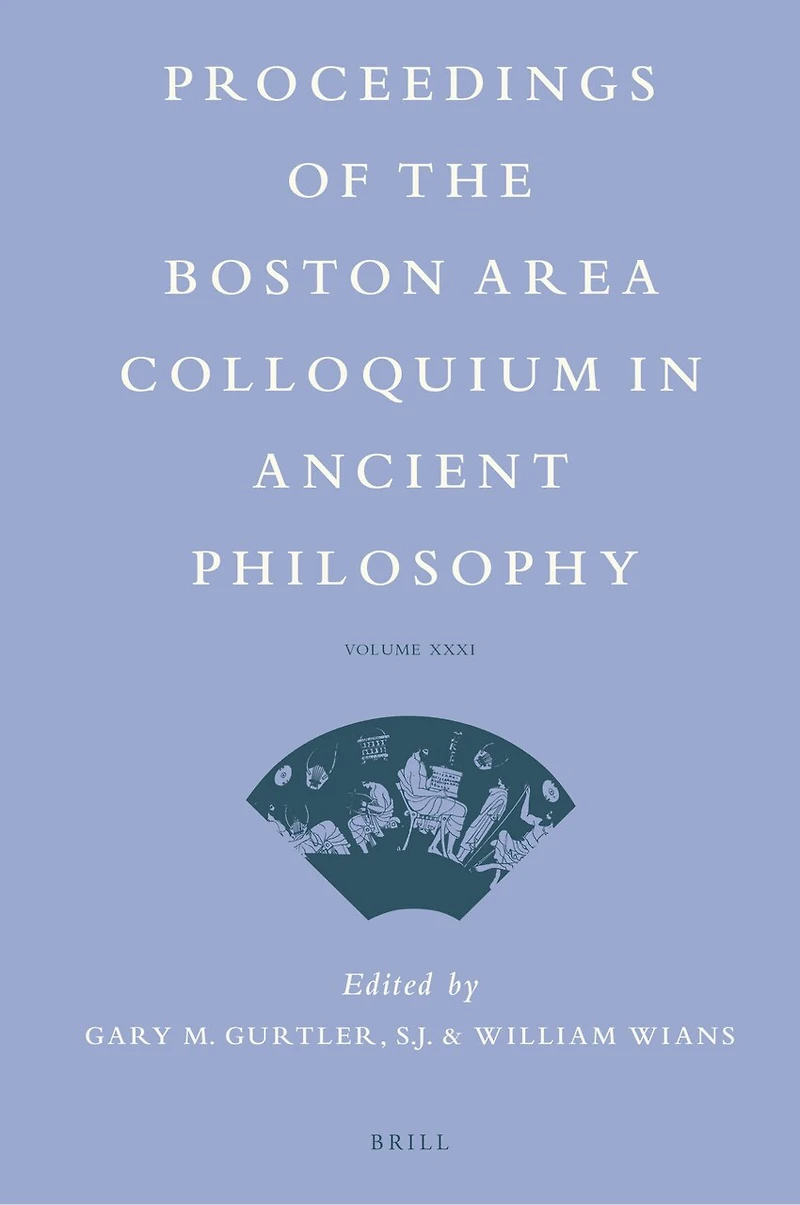
Proceedings of the Boston Area Colloquium in Ancient Philosophy: Volume XXXI (2015) in Grande Prairie, AB
Current price: $196.99
Coles
Proceedings of the Boston Area Colloquium in Ancient Philosophy: Volume XXXI (2015) in Grande Prairie, AB
Current price: $196.99
Loading Inventory...
Size: Paperback
*Product information and pricing may vary - to confirm current pricing, availability, shipping, and return information please contact Coles. In the event of a pricing discrepancy, the retailer's price will apply.
This volume, the thirty-first year of published proceedings, contains five papers and commentaries presented to the Boston Area Colloquium in Ancient Philosophy during academic year 2014-15. Paper topics include: the volatility of ἔρως in the Symposium as not self-directed to good or bad; the ‘analytical’ reading of the tripartite soul as autonomous sub-agents and whether it resembles neuroscience; holiness in the Euthyphro as misconstrued by the difficulty translating finite passives and passive participles in English; evil in Proclus as an indefinite nature redefined by privation, subcontrary and parypostasis, contrary to Plotinus’ identification of matter and evil; Plato’s literary reworking of the encounter of Odysseus with the Cyclops in the Sophist and of his struggle with the suitors in the Statesman .
This volume, the thirty-first year of published proceedings, contains five papers and commentaries presented to the Boston Area Colloquium in Ancient Philosophy during academic year 2014-15. Paper topics include: the volatility of ἔρως in the Symposium as not self-directed to good or bad; the ‘analytical’ reading of the tripartite soul as autonomous sub-agents and whether it resembles neuroscience; holiness in the Euthyphro as misconstrued by the difficulty translating finite passives and passive participles in English; evil in Proclus as an indefinite nature redefined by privation, subcontrary and parypostasis, contrary to Plotinus’ identification of matter and evil; Plato’s literary reworking of the encounter of Odysseus with the Cyclops in the Sophist and of his struggle with the suitors in the Statesman .
You May Also Like










Find at Prairie Mall in Grande Prairie, AB
Visit at Prairie Mall in Grande Prairie, AB