


Gifting Made Simple
Give the Gift of ChoiceClick below to purchase a Prairie Mall eGift Card that can be used at participating retailers at Prairie Mall.Buy Gift CardHome
Principles of Self-Talk in Sport Settings: Theory, Research, and Practice
Coles
Loading Inventory...
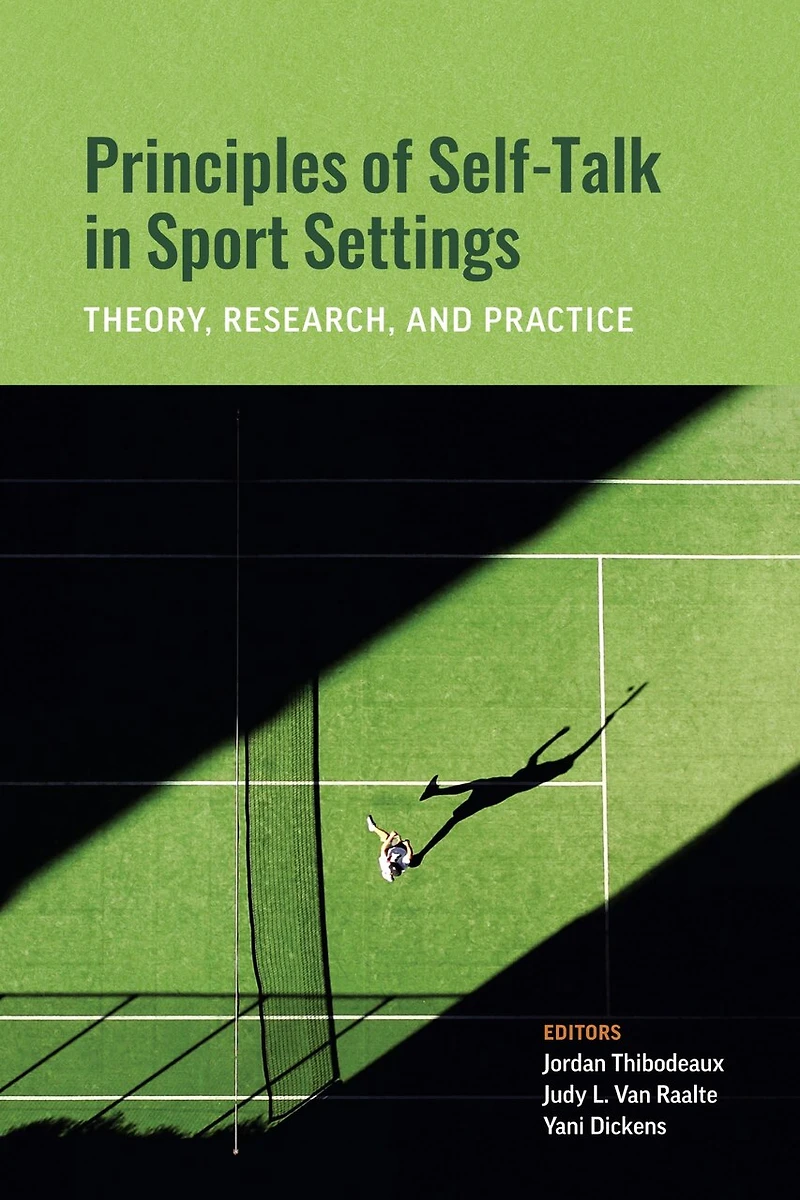
Principles of Self-Talk in Sport Settings: Theory, Research, and Practice
By None
Current price: $72.95
Coles
Principles of Self-Talk in Sport Settings: Theory, Research, and Practice
By None
Current price: $72.95
Loading Inventory...
Size: Paperback
*Product information and pricing may vary - to confirm current pricing, availability, shipping, and return information please contact Coles. In the event of a pricing discrepancy, the retailer's price will apply.
This book examines the theory and practice of self-talk in sports performance, with a special emphasis on approaches that move beyond linear, cognitively-focused understandings of self-talk.Self-talk generally begins when children are 2-3 years of age and continues into adulthood, as people talk to themselves both internally and out loud. Self-talk has drawn the interest of sport psychology professionals, researchers, athletes, and coaches who are eager to understand the origins and correlates of self-talk, how self-talk affects them, and how self-talk can be used to enhance sport performance.Starting from a strong theoretical foundation and addressing self-talk in sport myths, this volume moves on to one of the greatest challenges in sport self-talk literature, the crisis of validity of self-talk measurement tools, and provides direction and examples of valid and reliable tools for sport self-talk research. Chapters bring together authors from diverse theoretical backgrounds and fields, and offer tools for coaches and mental health providers to measure self-talk, and examine different approaches to self-talk, including ecological and embodied cognition, and draw important links between self-talk and other areas of cognitive functioning, such as emotion regulation.
This book examines the theory and practice of self-talk in sports performance, with a special emphasis on approaches that move beyond linear, cognitively-focused understandings of self-talk.Self-talk generally begins when children are 2-3 years of age and continues into adulthood, as people talk to themselves both internally and out loud. Self-talk has drawn the interest of sport psychology professionals, researchers, athletes, and coaches who are eager to understand the origins and correlates of self-talk, how self-talk affects them, and how self-talk can be used to enhance sport performance.Starting from a strong theoretical foundation and addressing self-talk in sport myths, this volume moves on to one of the greatest challenges in sport self-talk literature, the crisis of validity of self-talk measurement tools, and provides direction and examples of valid and reliable tools for sport self-talk research. Chapters bring together authors from diverse theoretical backgrounds and fields, and offer tools for coaches and mental health providers to measure self-talk, and examine different approaches to self-talk, including ecological and embodied cognition, and draw important links between self-talk and other areas of cognitive functioning, such as emotion regulation.
You May Also Like








More About Coles at Prairie Mall
11801 100 St #104, Grande Prairie, AB T8V 3Y2, Canada
Find Coles at Prairie Mall in Grande Prairie, AB
Visit Coles at Prairie Mall in Grande Prairie, AB