


Gifting Made Simple
Give the Gift of ChoiceClick below to purchase a Prairie Mall eGift Card that can be used at participating retailers at Prairie Mall.Buy Gift CardHome
Preachers, Partisans, And Rebellious Religion: Vernacular Writing The Hussite Movement
Coles
Loading Inventory...
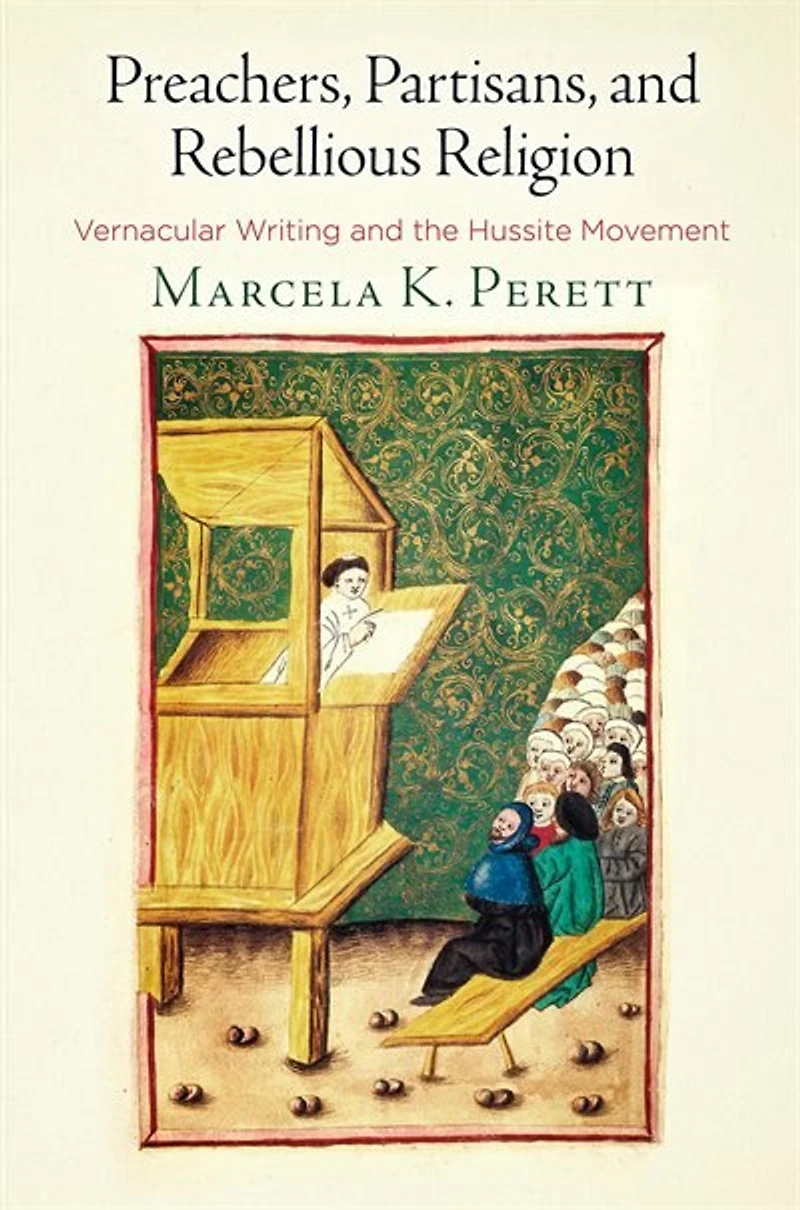
Preachers, Partisans, And Rebellious Religion: Vernacular Writing The Hussite Movement in Grande Prairie, AB
Current price: $123.99
Coles
Preachers, Partisans, And Rebellious Religion: Vernacular Writing The Hussite Movement in Grande Prairie, AB
Current price: $123.99
Loading Inventory...
Size: Hardcover
*Product information and pricing may vary - to confirm current pricing, availability, shipping, and return information please contact Coles. In the event of a pricing discrepancy, the retailer's price will apply.
In early fifteenth-century Prague, disagreements about religion came to be shouted in the streets and taught to the laity in the vernacular, giving rise to a new kind of public engagement that would persist into the early modern era and beyond. The reforming followers of Jan Hus brought theological learning to the people through a variety of genres, including songs, poems, tractates, letters, manifestos, and sermons. At the same time, university masters provided the laity with an education that enabled them to discuss contentious issues and arrive at their own conclusions, emphasizing that they held the freedom to make up their own minds about important theological issues. This marketplace of competing religious ideas in the vernacular emerged in Bohemia a full hundred years before the Reformation.
In Preachers, Partisans, and Rebellious Religion , Marcela K. Perett examines the early phases of the so-called Hussite revolution, between 1412, when Jan Hus first radicalized his followers, and 1436, the year of the agreement at the Council of Basel granting papal permission for the ritual practice of the Utraquist, or moderate Hussite, faction to continue. These were years during which the leaders of competing reform movements needed to garner the laity's support and employed the vernacular for that purpose, translating and simplifying basic theological arguments about the Bible, the church's ritual practice, and authority in the church. Perett illustrates that the vernacular discourse, even if it revolved around the same topics, was nothing like the Latin debates on the issues, often appealing to emotion rather than doctrinal positions. In the end, as Preachers, Partisans, and Rebellious Religion demonstrates, the process of vernacularization increased rather than decreased religious factionalism and radicalism as agreement about theological issues became impossible.
In early fifteenth-century Prague, disagreements about religion came to be shouted in the streets and taught to the laity in the vernacular, giving rise to a new kind of public engagement that would persist into the early modern era and beyond. The reforming followers of Jan Hus brought theological learning to the people through a variety of genres, including songs, poems, tractates, letters, manifestos, and sermons. At the same time, university masters provided the laity with an education that enabled them to discuss contentious issues and arrive at their own conclusions, emphasizing that they held the freedom to make up their own minds about important theological issues. This marketplace of competing religious ideas in the vernacular emerged in Bohemia a full hundred years before the Reformation.
In Preachers, Partisans, and Rebellious Religion , Marcela K. Perett examines the early phases of the so-called Hussite revolution, between 1412, when Jan Hus first radicalized his followers, and 1436, the year of the agreement at the Council of Basel granting papal permission for the ritual practice of the Utraquist, or moderate Hussite, faction to continue. These were years during which the leaders of competing reform movements needed to garner the laity's support and employed the vernacular for that purpose, translating and simplifying basic theological arguments about the Bible, the church's ritual practice, and authority in the church. Perett illustrates that the vernacular discourse, even if it revolved around the same topics, was nothing like the Latin debates on the issues, often appealing to emotion rather than doctrinal positions. In the end, as Preachers, Partisans, and Rebellious Religion demonstrates, the process of vernacularization increased rather than decreased religious factionalism and radicalism as agreement about theological issues became impossible.
You May Also Like













Find at Prairie Mall in Grande Prairie, AB
Visit at Prairie Mall in Grande Prairie, AB