


Gifting Made Simple
Give the Gift of ChoiceClick below to purchase a Prairie Mall eGift Card that can be used at participating retailers at Prairie Mall.Buy Gift CardHome
Practical Symbolic Interactions the Shrine of South: Conversations with a Damn Yankee
Coles
Loading Inventory...
Practical Symbolic Interactions the Shrine of South: Conversations with a Damn Yankee in Grande Prairie, AB
Current price: $42.19
Original price: $52.65
Coles
Practical Symbolic Interactions the Shrine of South: Conversations with a Damn Yankee in Grande Prairie, AB
Current price: $42.19
Original price: $52.65
Loading Inventory...
Size: Kobo eBook
*Product information and pricing may vary - to confirm current pricing, availability, shipping, and return information please contact Coles. In the event of a pricing discrepancy, the retailer's price will apply.
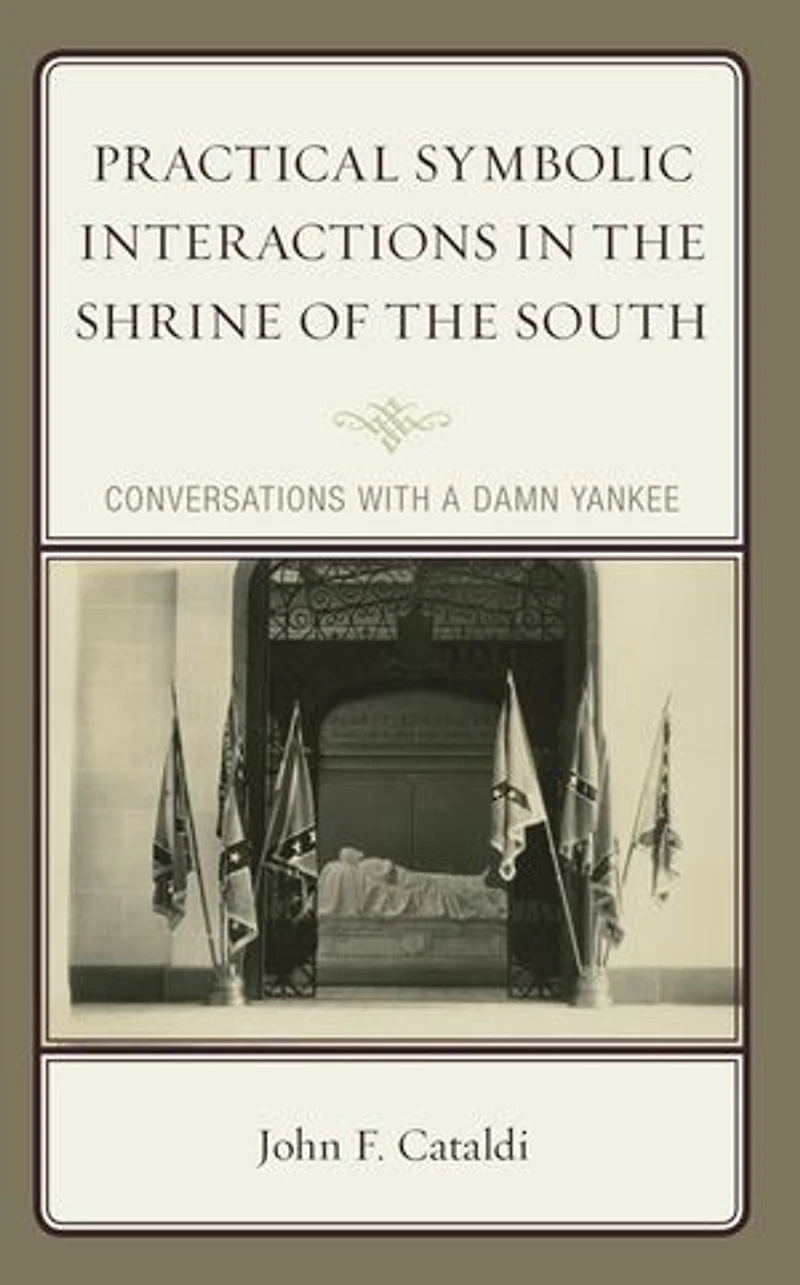
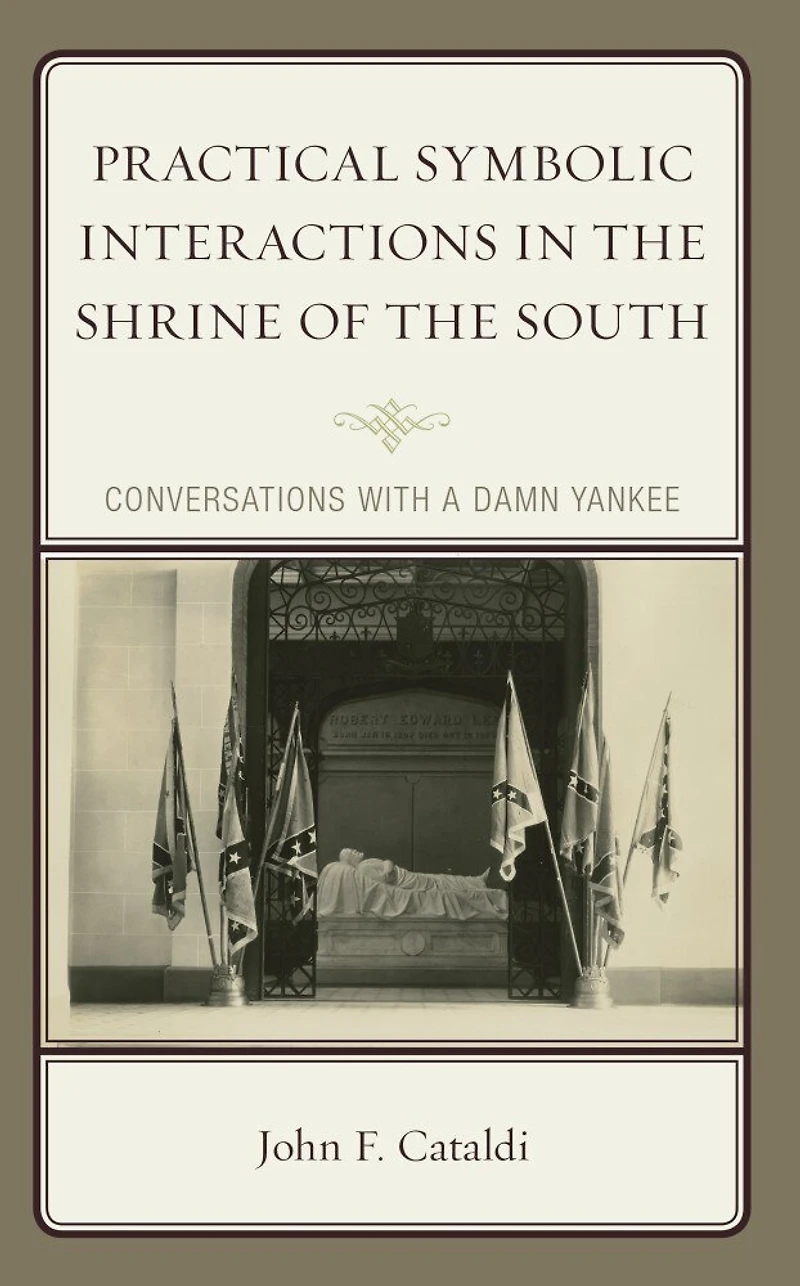
Practical Symbolic Interactions in the Shrine of the South: Conversations with a Damn Yankee finds that Lexington-Rockbridge, VA, community sentiments toward Southern symbols such as the Confederate Battle Flag and Robert E. Lee are not necessarily reducible to a racial divide. John F. Cataldi uses data to demonstrate that most black and white respondents navigate a social balance between the extremes of conservation and progress as a way to productively coexist and unify as a community rather than maintain an insular posture or cause division based solely on symbolic ideology. These findings challenge conventional sociological and media-provided paradigms and broaden the discussion of what tolerance and situational context mean for a large spectrum of community members who live in the milieu of Confederate symbols every day.
Practical Symbolic Interactions in the Shrine of the South: Conversations with a Damn Yankee finds that Lexington-Rockbridge, VA, community sentiments toward Southern symbols such as the Confederate Battle Flag and Robert E. Lee are not necessarily reducible to a racial divide. John F. Cataldi uses data to demonstrate that most black and white respondents navigate a social balance between the extremes of conservation and progress as a way to productively coexist and unify as a community rather than maintain an insular posture or cause division based solely on symbolic ideology. These findings challenge conventional sociological and media-provided paradigms and broaden the discussion of what tolerance and situational context mean for a large spectrum of community members who live in the milieu of Confederate symbols every day.
You May Also Like

















Find at Prairie Mall in Grande Prairie, AB
Visit at Prairie Mall in Grande Prairie, AB