


Gifting Made Simple
Give the Gift of ChoiceClick below to purchase a Prairie Mall eGift Card that can be used at participating retailers at Prairie Mall.Buy Gift CardHome
Power System Dynamic and Stability Issues in Modern Power Systems Facing Energy Transition
Coles
Loading Inventory...
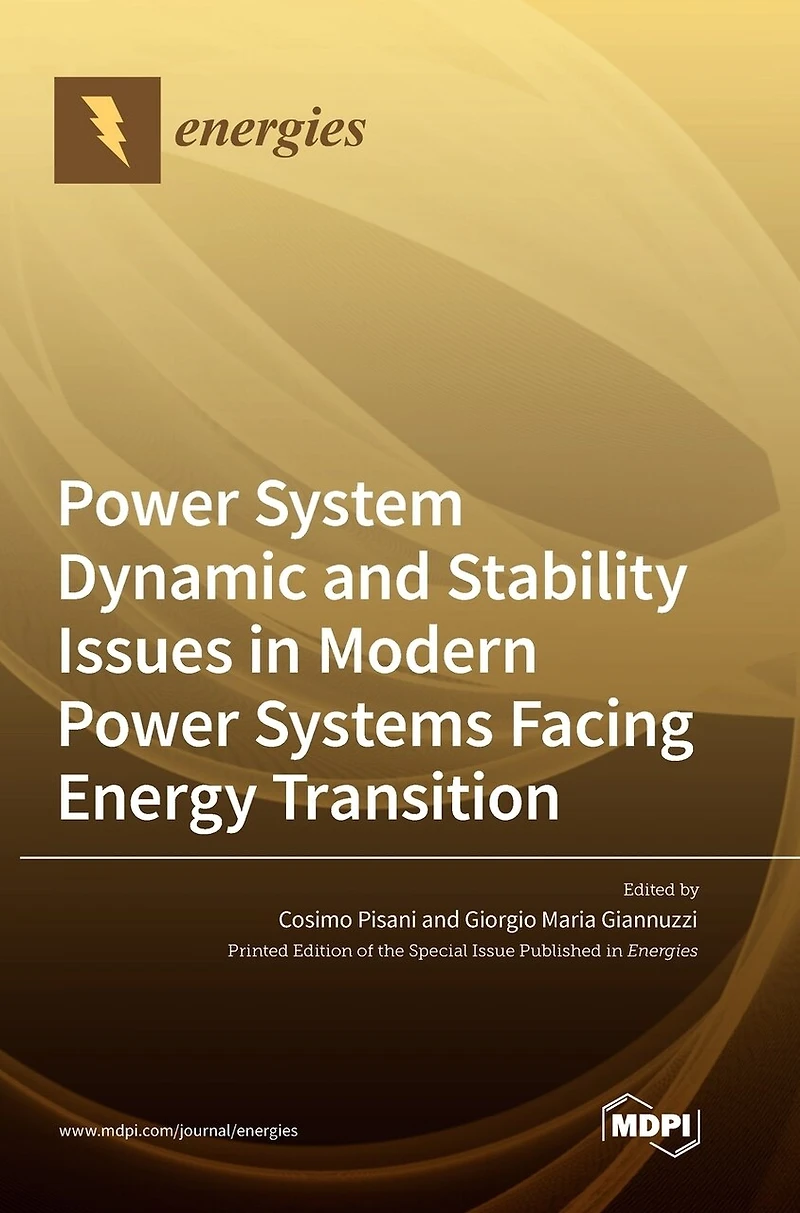
Power System Dynamic and Stability Issues in Modern Power Systems Facing Energy Transition in Grande Prairie, AB
Current price: $106.94
Coles
Power System Dynamic and Stability Issues in Modern Power Systems Facing Energy Transition in Grande Prairie, AB
Current price: $106.94
Loading Inventory...
Size: Hardcover
*Product information and pricing may vary - to confirm current pricing, availability, shipping, and return information please contact Coles. In the event of a pricing discrepancy, the retailer's price will apply.
Dynamic stability basically deals with the interactions between the system's components. Following a disturbance, the system's variables undergo transitions that can induce oscillations in active and reactive power generation, resulting in the occurrence of voltage oscillatory modes and frequency deviation in the system. Depending on the entity of the disturbance, the small- or large-signal stability of the system under consideration can be investigated. The introduction of RES-based generation that does not participate in the network services (i.e., frequency and voltage regulation) due to lack of special controls will undoubtedly affect both the overall frequency and voltage stability. Large-scale transient stability is also a concern not to be overlooked: inverter-based wind and solar generation have different angle/speed swing behaviors with respect to traditional generation due to reduced inertia, different voltage swing behaviors due to different voltage control systems, different power flow patterns, and different displacements of synchronous generation at key locations. Therefore, although power system stability and dynamics have played a very central role in the management and study of electrical power systems thus far, it is also true that the emerging scenario requires new methodologies, technologies, and analyses. In this light, the current Special Issue aims to collect contributions (i.e., research papers and review articles) on power system dynamics and stability from experts in academia and industry.
Dynamic stability basically deals with the interactions between the system's components. Following a disturbance, the system's variables undergo transitions that can induce oscillations in active and reactive power generation, resulting in the occurrence of voltage oscillatory modes and frequency deviation in the system. Depending on the entity of the disturbance, the small- or large-signal stability of the system under consideration can be investigated. The introduction of RES-based generation that does not participate in the network services (i.e., frequency and voltage regulation) due to lack of special controls will undoubtedly affect both the overall frequency and voltage stability. Large-scale transient stability is also a concern not to be overlooked: inverter-based wind and solar generation have different angle/speed swing behaviors with respect to traditional generation due to reduced inertia, different voltage swing behaviors due to different voltage control systems, different power flow patterns, and different displacements of synchronous generation at key locations. Therefore, although power system stability and dynamics have played a very central role in the management and study of electrical power systems thus far, it is also true that the emerging scenario requires new methodologies, technologies, and analyses. In this light, the current Special Issue aims to collect contributions (i.e., research papers and review articles) on power system dynamics and stability from experts in academia and industry.
You May Also Like

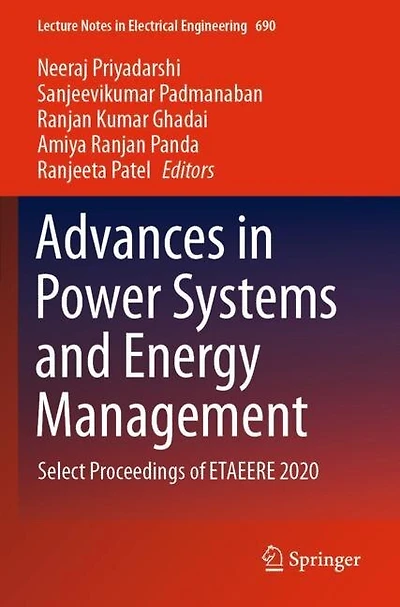

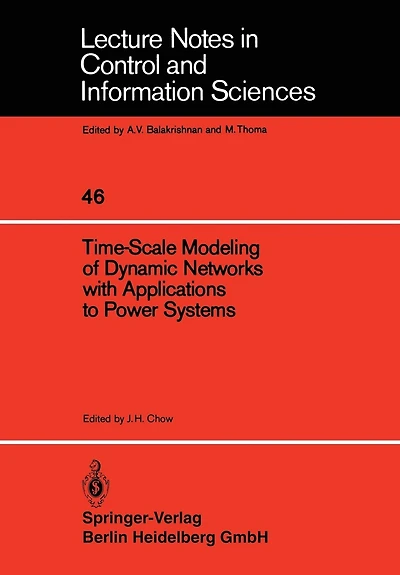








Find at Prairie Mall in Grande Prairie, AB
Visit at Prairie Mall in Grande Prairie, AB