


Gifting Made Simple
Give the Gift of ChoiceClick below to purchase a Prairie Mall eGift Card that can be used at participating retailers at Prairie Mall.Buy Gift CardHome
Post-Traumatic Stress Disorder: Basic Science and Clinical Practice
Coles
Loading Inventory...
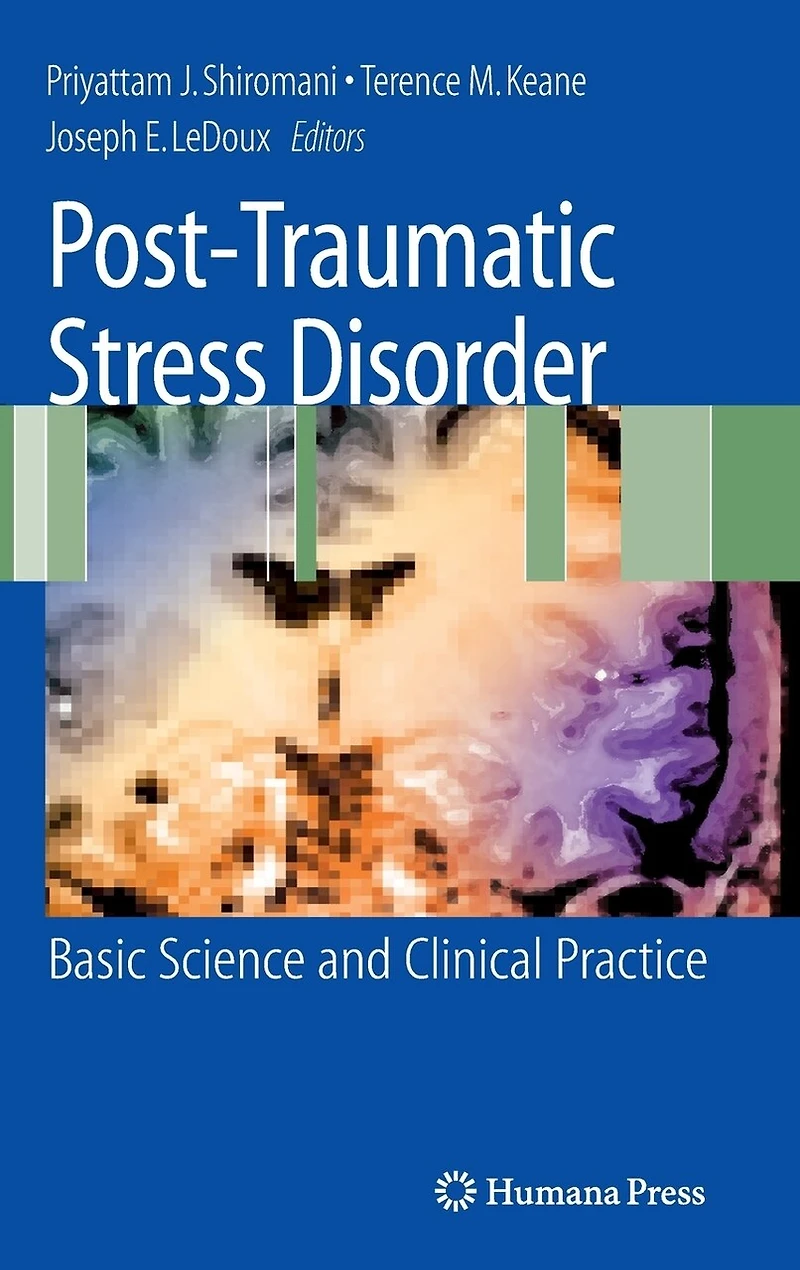
Post-Traumatic Stress Disorder: Basic Science and Clinical Practice in Grande Prairie, AB
Current price: $248.50
Coles
Post-Traumatic Stress Disorder: Basic Science and Clinical Practice in Grande Prairie, AB
Current price: $248.50
Loading Inventory...
Size: Hardcover
*Product information and pricing may vary - to confirm current pricing, availability, shipping, and return information please contact Coles. In the event of a pricing discrepancy, the retailer's price will apply.
Post-traumatic stress disorder is a psychiatric illness that can occur in anyone who has experienced a life-threatening or violent event. The trauma can be due to war, terrorism, torture, natural disasters, violence, or rape. In PTSD the brain areas that are likely to be affected are the hippocampus (memory), amygdala (fear association), the prefrontal cortex (cognitive processing), and the ascending reticular activating system (arousal). The chemical of interest is norepinephrine, which is released during a stressful event and is part of the fight-or-flight response meant to mobilize the body to action.The objective of this title is to outline the neurobiology of post-traumatic stress disorder and provide treatment strategies for clinicians. The chapter material from this book has evolved from a seminar on PTSD held recently under the auspices of the VA Boston Healthcare System, Boston University Medical Center and Harvard Medical School. We propose a book that will focus on the epidemiology, neurobiology, MRI studies, animal models, arousal and sleep issues, clinical trials, and treatment strategies for clinicians. Treatment will cover such topics as guidelines for treating posttraumatic stress disorder, PTSD and the use of mental health services, cognitive intervention therapy, and large scale clinical trials in PTSD. This collection will be a vital source of information to clinicians and neuroscientists.
Post-traumatic stress disorder is a psychiatric illness that can occur in anyone who has experienced a life-threatening or violent event. The trauma can be due to war, terrorism, torture, natural disasters, violence, or rape. In PTSD the brain areas that are likely to be affected are the hippocampus (memory), amygdala (fear association), the prefrontal cortex (cognitive processing), and the ascending reticular activating system (arousal). The chemical of interest is norepinephrine, which is released during a stressful event and is part of the fight-or-flight response meant to mobilize the body to action.The objective of this title is to outline the neurobiology of post-traumatic stress disorder and provide treatment strategies for clinicians. The chapter material from this book has evolved from a seminar on PTSD held recently under the auspices of the VA Boston Healthcare System, Boston University Medical Center and Harvard Medical School. We propose a book that will focus on the epidemiology, neurobiology, MRI studies, animal models, arousal and sleep issues, clinical trials, and treatment strategies for clinicians. Treatment will cover such topics as guidelines for treating posttraumatic stress disorder, PTSD and the use of mental health services, cognitive intervention therapy, and large scale clinical trials in PTSD. This collection will be a vital source of information to clinicians and neuroscientists.
You May Also Like









Find at Prairie Mall in Grande Prairie, AB
Visit at Prairie Mall in Grande Prairie, AB