


Gifting Made Simple
Give the Gift of ChoiceClick below to purchase a Prairie Mall eGift Card that can be used at participating retailers at Prairie Mall.Buy Gift CardHome
Portfolio Management in Continuous Time: Numerical Applications in R and Python
Coles
Loading Inventory...
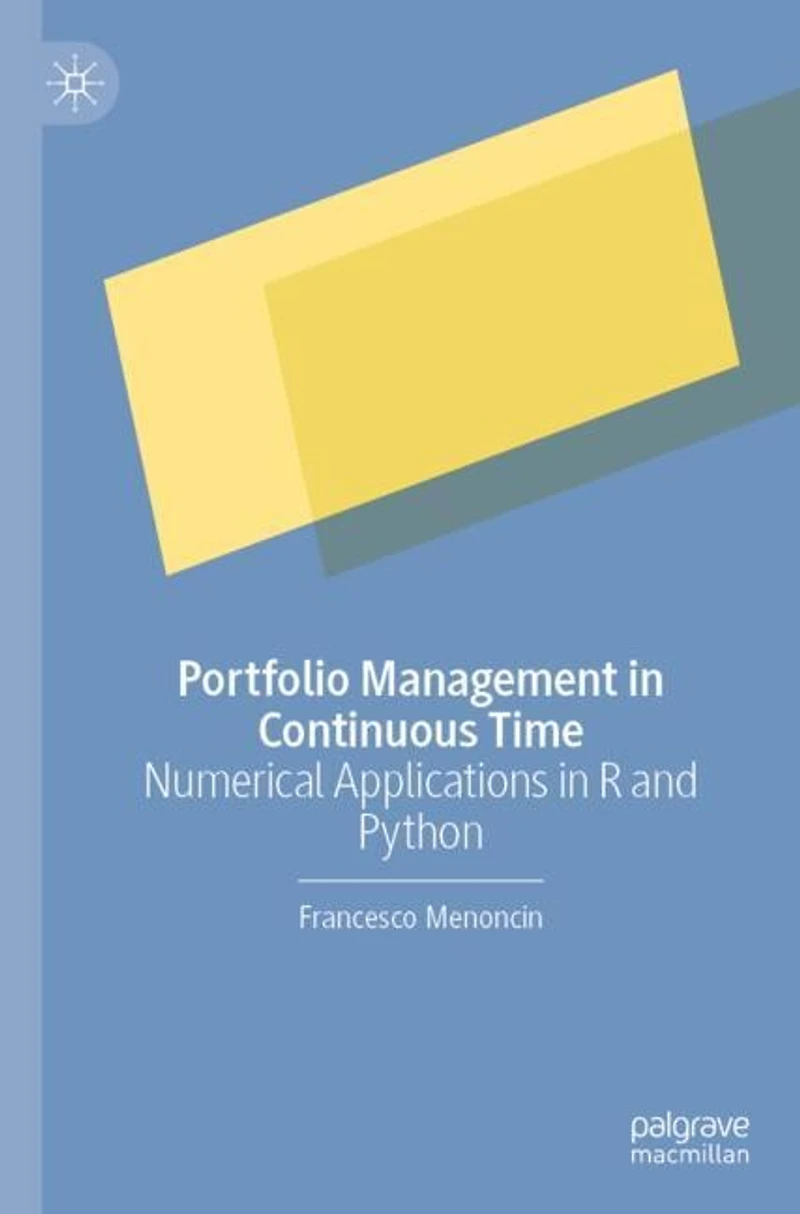
Portfolio Management in Continuous Time: Numerical Applications in R and Python in Grande Prairie, AB
Current price: $145.95
Coles
Portfolio Management in Continuous Time: Numerical Applications in R and Python in Grande Prairie, AB
Current price: $145.95
Loading Inventory...
Size: Paperback
*Product information and pricing may vary - to confirm current pricing, availability, shipping, and return information please contact Coles. In the event of a pricing discrepancy, the retailer's price will apply.
This textbook covers essential topics in quantitative finance, including stochastic calculus, portfolio optimization (static and dynamic), and risk-neutral pricing. Combining financial theory with real-world applications, the book presents a step-by-step guide to modelling financial data in continuous time using R and Python. The side-by-side presentation of the two software languages allows readers to grasp the similarities and differences between the two codes, while guiding them through models calibrated with actual market data that illustrate the quantitative characteristics of optimal portfolios. Reinforced with pedagogical features including accompanying online datasets and numerical exercises to understand stochastic processes, this textbook will be a valuable resource for postgraduate students on corporate finance, quantitative finance, portfolio and investment management, risk management and actuarial courses, as well as finance professionals undertaking quantitative modelling.
This textbook covers essential topics in quantitative finance, including stochastic calculus, portfolio optimization (static and dynamic), and risk-neutral pricing. Combining financial theory with real-world applications, the book presents a step-by-step guide to modelling financial data in continuous time using R and Python. The side-by-side presentation of the two software languages allows readers to grasp the similarities and differences between the two codes, while guiding them through models calibrated with actual market data that illustrate the quantitative characteristics of optimal portfolios. Reinforced with pedagogical features including accompanying online datasets and numerical exercises to understand stochastic processes, this textbook will be a valuable resource for postgraduate students on corporate finance, quantitative finance, portfolio and investment management, risk management and actuarial courses, as well as finance professionals undertaking quantitative modelling.
You May Also Like
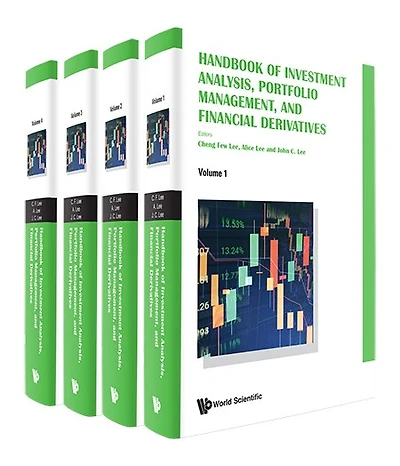









Find at Prairie Mall in Grande Prairie, AB
Visit at Prairie Mall in Grande Prairie, AB