


Gifting Made Simple
Give the Gift of ChoiceClick below to purchase a Prairie Mall eGift Card that can be used at participating retailers at Prairie Mall.Buy Gift CardHome
Pop Art
Coles
Loading Inventory...
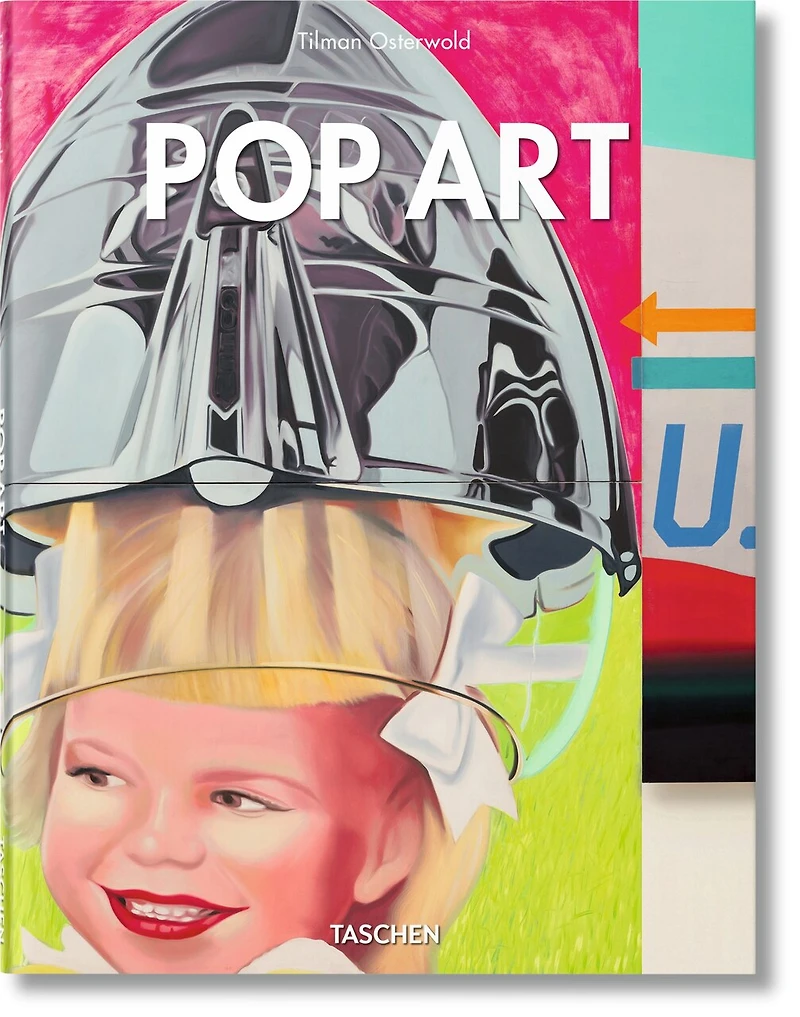
Pop Art in Grande Prairie, AB
Current price: $40.00
Coles
Pop Art in Grande Prairie, AB
Current price: $40.00
Loading Inventory...
Size: Hardcover
*Product information and pricing may vary - to confirm current pricing, availability, shipping, and return information please contact Coles. In the event of a pricing discrepancy, the retailer's price will apply.
Less a distinct style than the concrete expression of being in a particular era, Pop art began as a revolt against mainstream approaches to art and culture and evolved into a wholesale interrogation of modern society, consumer culture, and the role of the artist and artwork.
The movement’s primary provocation was to defy ideas of the artistic canon or “originality” by integrating mass market imagery into their works. Whether advertising slogans, famed Hollywood faces, comic-strip-style characters, or the packaging of consumer products, the likes of Robert Rauschenberg, Claes Oldenburg, Andy Warhol, and Roy Lichtenstein knowingly reproduced mundane, everyday images from popular culture.
At the same time, Pop art reduced the role of the individual and challenged the notion of originality by deploying mass production techniques such as screen printing. Like a hall of mirrors, the resulting works came to interrogate both the ideas and desires of contemporary culture, and its state of simulacra, whereby images, substitutes, and representations come to define the experience of “reality.”
In this book, Tilman Osterwold explores the styles, sources, and stars of the Pop Art phenomenon. From Lichtenstein’s comic-book aesthetics to Warhol’s images of Marilyn, it explores how a movement that interrogated the icons of its time came to produce icons of its own.
Less a distinct style than the concrete expression of being in a particular era, Pop art began as a revolt against mainstream approaches to art and culture and evolved into a wholesale interrogation of modern society, consumer culture, and the role of the artist and artwork.
The movement’s primary provocation was to defy ideas of the artistic canon or “originality” by integrating mass market imagery into their works. Whether advertising slogans, famed Hollywood faces, comic-strip-style characters, or the packaging of consumer products, the likes of Robert Rauschenberg, Claes Oldenburg, Andy Warhol, and Roy Lichtenstein knowingly reproduced mundane, everyday images from popular culture.
At the same time, Pop art reduced the role of the individual and challenged the notion of originality by deploying mass production techniques such as screen printing. Like a hall of mirrors, the resulting works came to interrogate both the ideas and desires of contemporary culture, and its state of simulacra, whereby images, substitutes, and representations come to define the experience of “reality.”
In this book, Tilman Osterwold explores the styles, sources, and stars of the Pop Art phenomenon. From Lichtenstein’s comic-book aesthetics to Warhol’s images of Marilyn, it explores how a movement that interrogated the icons of its time came to produce icons of its own.
You May Also Like








Find at Prairie Mall in Grande Prairie, AB
Visit at Prairie Mall in Grande Prairie, AB