


Gifting Made Simple
Give the Gift of ChoiceClick below to purchase a Prairie Mall eGift Card that can be used at participating retailers at Prairie Mall.Buy Gift CardHome
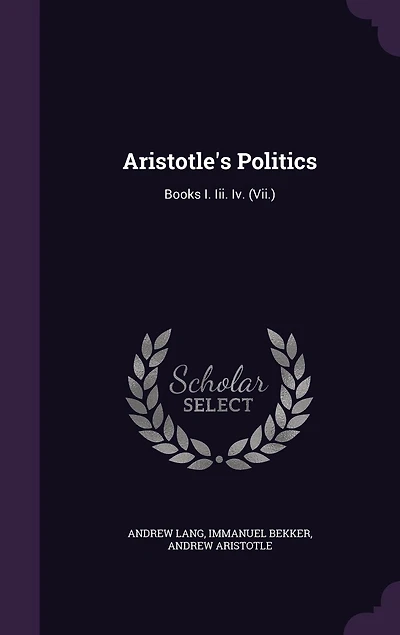
Politics: Books I and II
Coles
Loading Inventory...
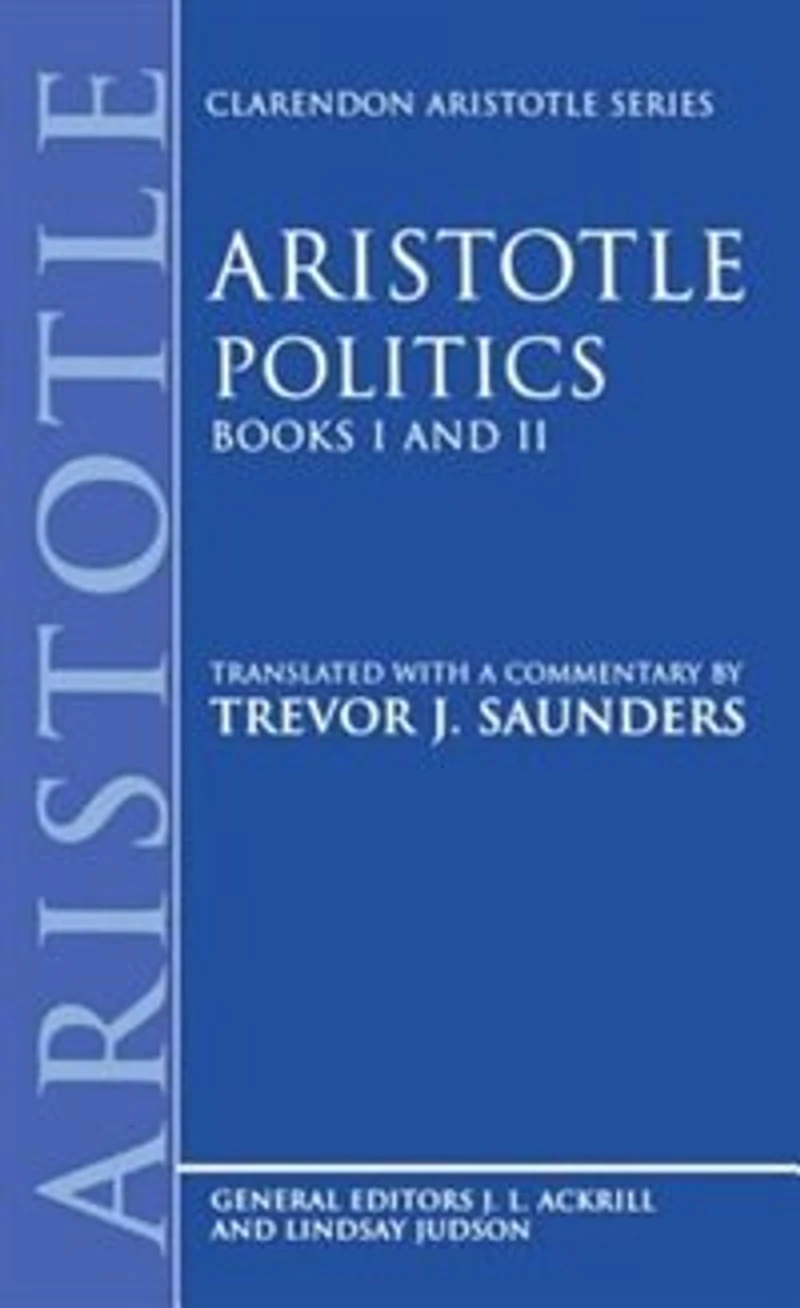
Politics: Books I and II in Grande Prairie, AB
Current price: $315.00
Coles
Politics: Books I and II in Grande Prairie, AB
Current price: $315.00
Loading Inventory...
Size: Hardcover
*Product information and pricing may vary - to confirm current pricing, availability, shipping, and return information please contact Coles. In the event of a pricing discrepancy, the retailer's price will apply.
This volume contains a clear and accurate translation of the first two books of Aristotle's Politics, together with a philosophical commentary. The Politics is a key document in Western political thought. In these first two books, Aristotle shows his mastery of political theory and practice, and raises many theoretical and practical political issues which are still with us today.
In Book I, he argues vigorously for a political theory based on 'nature'. By nature, man is a 'political animal', one naturally fitted for life in a polis or state. Some people, however, are natural slaves; and women are by nature subordinate to men. Exchange and acquisition are natural, but not trading for profit. In Book II, by contrast, he sharply attacks Plato's two 'utopias', the Republic and the Laws, and also attacks three historical states reputed to be well-governed - Sparta, Crete, and Carthage.
This volume is well suited to the requirements of students, including those who do not know Greek.
This volume contains a clear and accurate translation of the first two books of Aristotle's Politics, together with a philosophical commentary. The Politics is a key document in Western political thought. In these first two books, Aristotle shows his mastery of political theory and practice, and raises many theoretical and practical political issues which are still with us today.
In Book I, he argues vigorously for a political theory based on 'nature'. By nature, man is a 'political animal', one naturally fitted for life in a polis or state. Some people, however, are natural slaves; and women are by nature subordinate to men. Exchange and acquisition are natural, but not trading for profit. In Book II, by contrast, he sharply attacks Plato's two 'utopias', the Republic and the Laws, and also attacks three historical states reputed to be well-governed - Sparta, Crete, and Carthage.
This volume is well suited to the requirements of students, including those who do not know Greek.
You May Also Like








Find at Prairie Mall in Grande Prairie, AB
Visit at Prairie Mall in Grande Prairie, AB