


Gifting Made Simple
Give the Gift of ChoiceClick below to purchase a Prairie Mall eGift Card that can be used at participating retailers at Prairie Mall.Buy Gift CardHome
Political Theology and the Conflicts of Democracy
Coles
Loading Inventory...
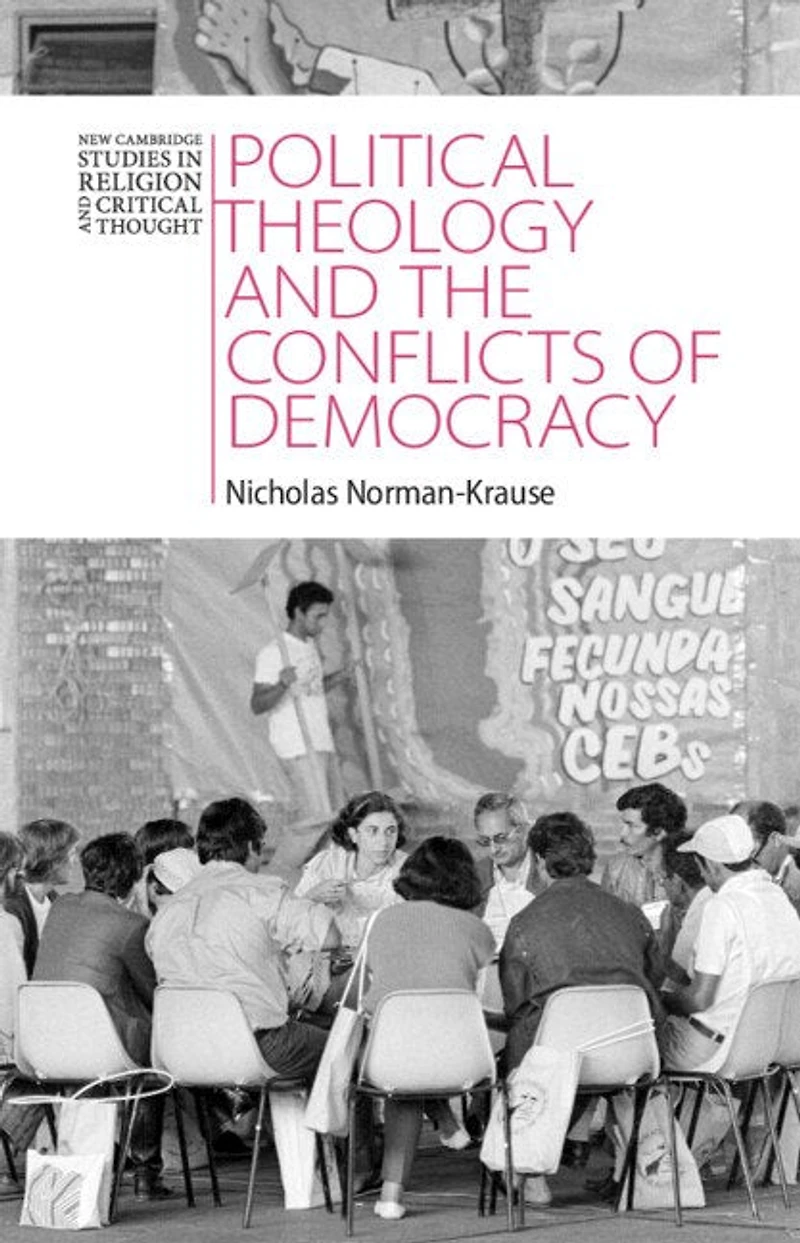
Political Theology and the Conflicts of Democracy in Grande Prairie, AB
Current price: $149.95
Coles
Political Theology and the Conflicts of Democracy in Grande Prairie, AB
Current price: $149.95
Loading Inventory...
Size: Hardcover
*Product information and pricing may vary - to confirm current pricing, availability, shipping, and return information please contact Coles. In the event of a pricing discrepancy, the retailer's price will apply.
Nicholas Norman-Krause argues, in this authoritative and sophisticated new treatment of conflict, that contestation is a basic - potentially regenerative - aspect of any flourishing democratic politics. In developing a distinctive 'agonistic theology,' and relating the political theory of agonism to social and democratic life, the author demonstrates that the conflicts of democracy may have a beneficial significance and depend at least in part on faith traditions and communities for their successful negotiation. In making his case, he deftly examines a rich range of religious and secular literatures, whether from the thought of Augustine, Aquinas, and Stanley Cavell or from less familiar voices such as early modern jurist and political thinker Johannes Althusius and twentieth-century Catholic social philosopher Yves Simon. Liberationists including Gustavo Gutiérrez and Martin Luther King, Jr. are similarly recruited for a theological account of conflict read not just as concomitant to, but also as constitutive of, democratic living.
Nicholas Norman-Krause argues, in this authoritative and sophisticated new treatment of conflict, that contestation is a basic - potentially regenerative - aspect of any flourishing democratic politics. In developing a distinctive 'agonistic theology,' and relating the political theory of agonism to social and democratic life, the author demonstrates that the conflicts of democracy may have a beneficial significance and depend at least in part on faith traditions and communities for their successful negotiation. In making his case, he deftly examines a rich range of religious and secular literatures, whether from the thought of Augustine, Aquinas, and Stanley Cavell or from less familiar voices such as early modern jurist and political thinker Johannes Althusius and twentieth-century Catholic social philosopher Yves Simon. Liberationists including Gustavo Gutiérrez and Martin Luther King, Jr. are similarly recruited for a theological account of conflict read not just as concomitant to, but also as constitutive of, democratic living.
You May Also Like








Find at Prairie Mall in Grande Prairie, AB
Visit at Prairie Mall in Grande Prairie, AB