


Gifting Made Simple
Give the Gift of ChoiceClick below to purchase a Prairie Mall eGift Card that can be used at participating retailers at Prairie Mall.Buy Gift CardHome
Political Leadership: Structure – Consciousness Emotions
Coles
Loading Inventory...
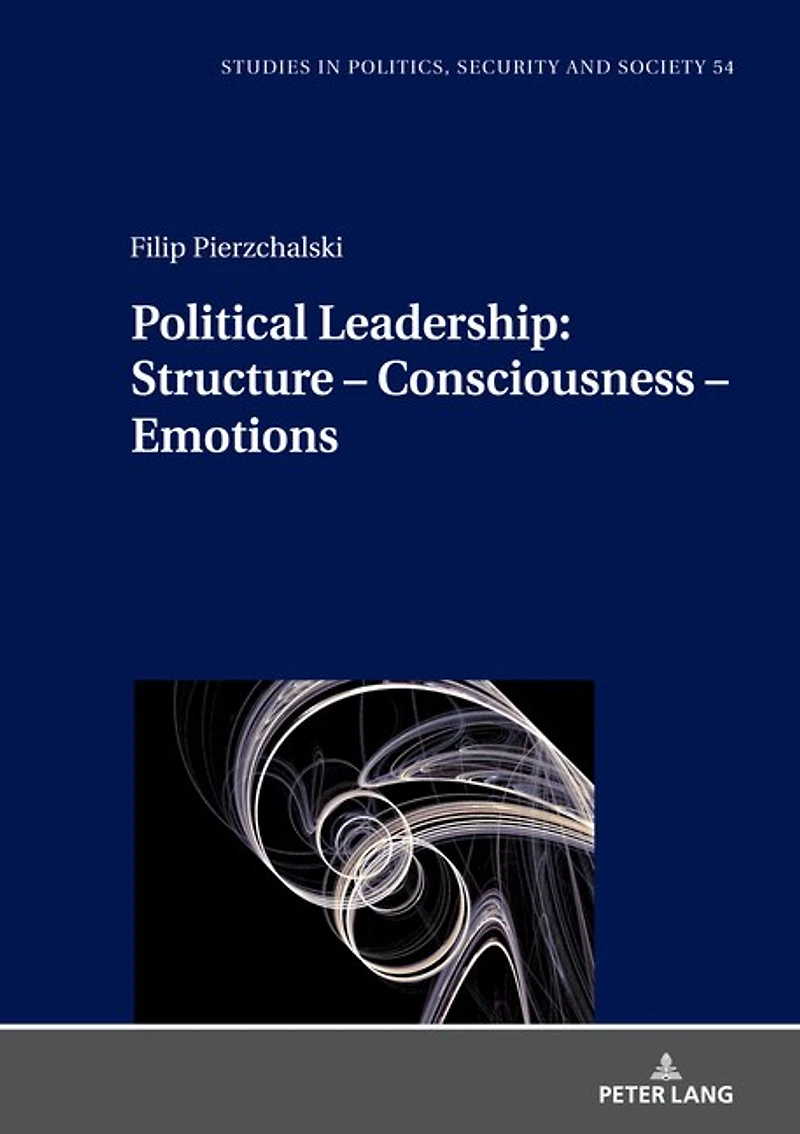
Political Leadership: Structure – Consciousness Emotions in Grande Prairie, AB
Current price: $59.75
Coles
Political Leadership: Structure – Consciousness Emotions in Grande Prairie, AB
Current price: $59.75
Loading Inventory...
Size: Hardcover
*Product information and pricing may vary - to confirm current pricing, availability, shipping, and return information please contact Coles. In the event of a pricing discrepancy, the retailer's price will apply.
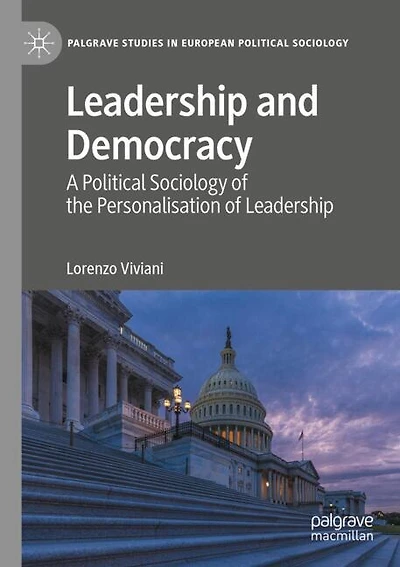
In modern political science, the phenomenon of political leadership is described and explained using diverse theoretical models, different analytical perspectives, or different research scales. Keeping in mind this theoretical and research pluralism, the author suggests applying an original integral explanatory strategy, which defines the relational leadership asymmetry between the leader and followers in terms of a dialectical subject–object relationship (co-determination); that is to say, in terms of a dynamic and complex political process in which the interdependencies and mutual influences of the leader and followers fall under analysis. In this sense, leadership is treated as a processual phenomenon in which the form, content, and shape of leadership depend not only on the talents, qualities, or abilities of the political leader, but also – and in a gradable manner – on the external environment and followers, their collective expectations, aspirations, goals, needs, etc.; or, speaking more broadly, the particular-political conditions in which the complex leadership mechanism takes place.
In modern political science, the phenomenon of political leadership is described and explained using diverse theoretical models, different analytical perspectives, or different research scales. Keeping in mind this theoretical and research pluralism, the author suggests applying an original integral explanatory strategy, which defines the relational leadership asymmetry between the leader and followers in terms of a dialectical subject–object relationship (co-determination); that is to say, in terms of a dynamic and complex political process in which the interdependencies and mutual influences of the leader and followers fall under analysis. In this sense, leadership is treated as a processual phenomenon in which the form, content, and shape of leadership depend not only on the talents, qualities, or abilities of the political leader, but also – and in a gradable manner – on the external environment and followers, their collective expectations, aspirations, goals, needs, etc.; or, speaking more broadly, the particular-political conditions in which the complex leadership mechanism takes place.
You May Also Like









Find at Prairie Mall in Grande Prairie, AB
Visit at Prairie Mall in Grande Prairie, AB