


Gifting Made Simple
Give the Gift of ChoiceClick below to purchase a Prairie Mall eGift Card that can be used at participating retailers at Prairie Mall.Buy Gift CardHome
Policy Learning and the Euro: EU's Responses to Sovereign Debt Crisis
Coles
Loading Inventory...
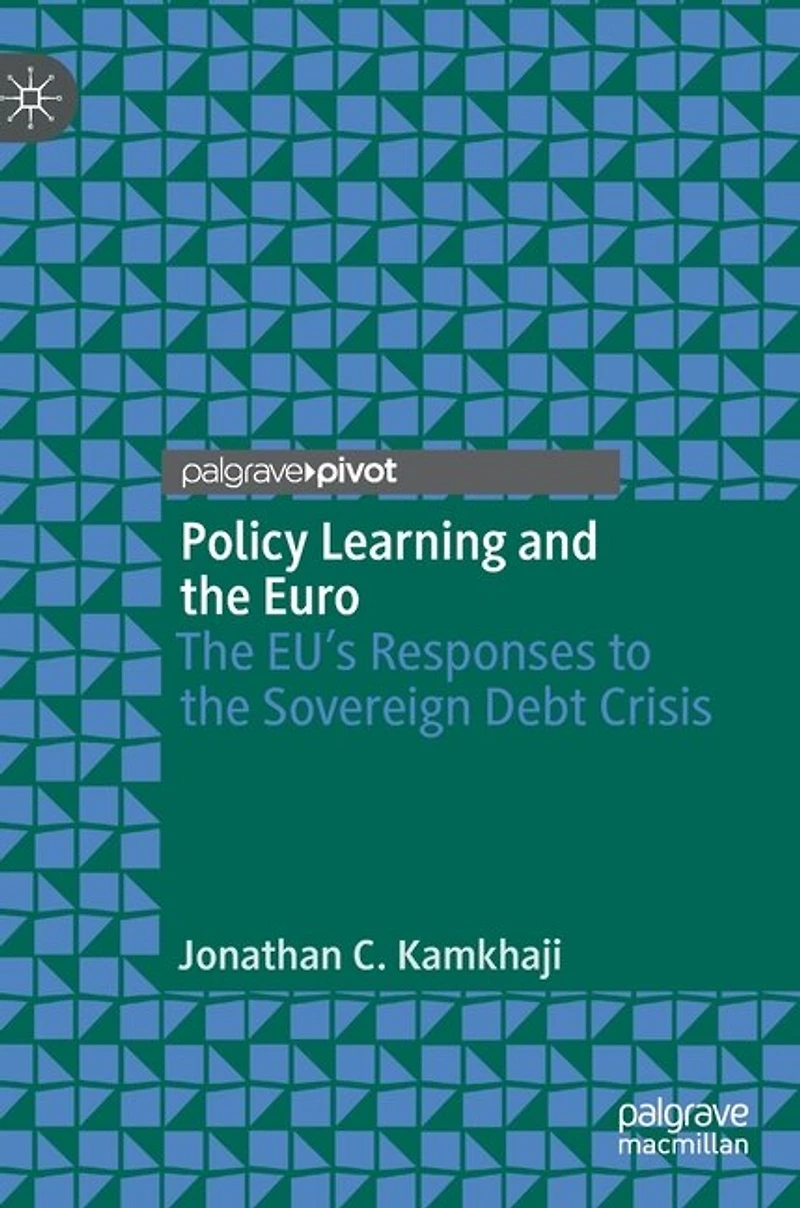
Policy Learning and the Euro: EU's Responses to Sovereign Debt Crisis in Grande Prairie, AB
Current price: $72.95
Coles
Policy Learning and the Euro: EU's Responses to Sovereign Debt Crisis in Grande Prairie, AB
Current price: $72.95
Loading Inventory...
Size: Hardcover
*Product information and pricing may vary - to confirm current pricing, availability, shipping, and return information please contact Coles. In the event of a pricing discrepancy, the retailer's price will apply.
This book analyzes the EU's responses to the sovereign debt crisis that hit the Economic and Monetary Union (EMU) in 2010. After reviewing the events that led to the crisis, it examines two case studies. The first assesses the short-term policy changes by drawing on a new mechanism, contingent learning. The second case study revolves around the long-term EMU reforms passed during the period 2010-2013. More specifically, it assesses these responses in relation to the institutional scientific publications of the European Central Bank and the DG ECFIN of the Commission. By analyzing both the short and long-term responses to the sovereign debt crisis, the book elucidates how policy learning can be an effective engine for deeper European integration. It will be of interest to scholars and students of EU integration, the EMU, policy learning, and supranational bureaucracies.
This book analyzes the EU's responses to the sovereign debt crisis that hit the Economic and Monetary Union (EMU) in 2010. After reviewing the events that led to the crisis, it examines two case studies. The first assesses the short-term policy changes by drawing on a new mechanism, contingent learning. The second case study revolves around the long-term EMU reforms passed during the period 2010-2013. More specifically, it assesses these responses in relation to the institutional scientific publications of the European Central Bank and the DG ECFIN of the Commission. By analyzing both the short and long-term responses to the sovereign debt crisis, the book elucidates how policy learning can be an effective engine for deeper European integration. It will be of interest to scholars and students of EU integration, the EMU, policy learning, and supranational bureaucracies.
You May Also Like










Find at Prairie Mall in Grande Prairie, AB
Visit at Prairie Mall in Grande Prairie, AB