


Gifting Made Simple
Give the Gift of ChoiceClick below to purchase a Prairie Mall eGift Card that can be used at participating retailers at Prairie Mall.Buy Gift CardHome
Plantations of Antigua: the Sweet Success of Sugar (Volume 3): A Biography of the Historic Plantations Which Made Antigua a Major Source of the World's Early Sugar Supply
Coles
Loading Inventory...
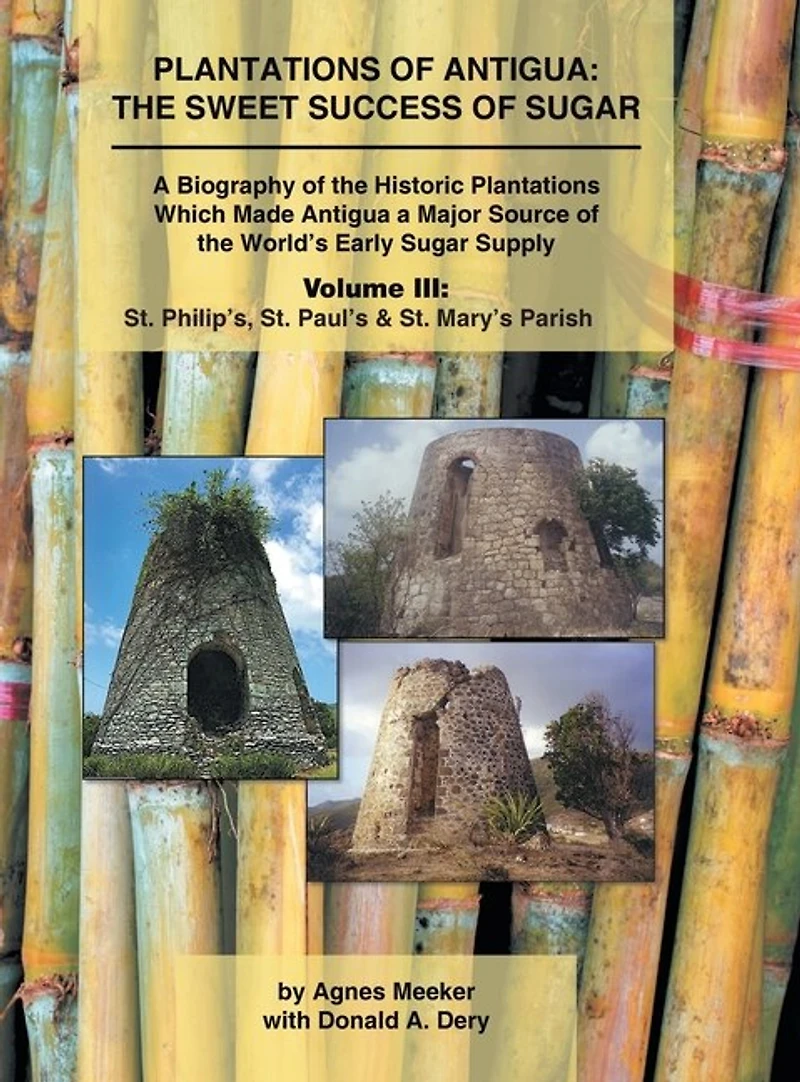
Plantations of Antigua: the Sweet Success of Sugar (Volume 3): A Biography of the Historic Plantations Which Made Antigua a Major Source of the World's Early Sugar Supply in Grande Prairie, AB
Current price: $79.95
Coles
Plantations of Antigua: the Sweet Success of Sugar (Volume 3): A Biography of the Historic Plantations Which Made Antigua a Major Source of the World's Early Sugar Supply in Grande Prairie, AB
Current price: $79.95
Loading Inventory...
Size: Hardcover
*Product information and pricing may vary - to confirm current pricing, availability, shipping, and return information please contact Coles. In the event of a pricing discrepancy, the retailer's price will apply.
Sugar. It sits there, dormant, nestled in a small bowl or serving-size packet, waiting to be spooned into a cup of coffee or tea; spread across some cereal; or dropped into a recipe for cake, pie, or other scrumptious treat in the making. It is so readily available, so easy to use, so irresistibly tasty. But few people stop to realize the enormous economic, social, political, even military, upheaval this simple-looking, widely popular food enhancer has caused in many parts of the world. In the seventeenth and eighteenth centuries, even into the nineteenth century and early decades of the twentieth, sugar cane was a preeminent crop upon which economies succeeded or failed, societies grew, and money flowed like . . . well, sugar! A region particularly impacted by sugar was the volcanic islands of the Caribbean-virgin soil enriched by crushed coral and limestone, and blessed by unlimited sunshine. The result was soil so rich for planting that the necklace of island colonies and small nation-states became a massive source of the world's supply of sugar. Antigua's 108 square miles, an island of undulating hills and indented coastline, fell into this category.
Sugar. It sits there, dormant, nestled in a small bowl or serving-size packet, waiting to be spooned into a cup of coffee or tea; spread across some cereal; or dropped into a recipe for cake, pie, or other scrumptious treat in the making. It is so readily available, so easy to use, so irresistibly tasty. But few people stop to realize the enormous economic, social, political, even military, upheaval this simple-looking, widely popular food enhancer has caused in many parts of the world. In the seventeenth and eighteenth centuries, even into the nineteenth century and early decades of the twentieth, sugar cane was a preeminent crop upon which economies succeeded or failed, societies grew, and money flowed like . . . well, sugar! A region particularly impacted by sugar was the volcanic islands of the Caribbean-virgin soil enriched by crushed coral and limestone, and blessed by unlimited sunshine. The result was soil so rich for planting that the necklace of island colonies and small nation-states became a massive source of the world's supply of sugar. Antigua's 108 square miles, an island of undulating hills and indented coastline, fell into this category.
You May Also Like


















Find at Prairie Mall in Grande Prairie, AB
Visit at Prairie Mall in Grande Prairie, AB