


Gifting Made Simple
Give the Gift of ChoiceClick below to purchase a Prairie Mall eGift Card that can be used at participating retailers at Prairie Mall.Buy Gift CardHome
Plant-Microbe Interaction under Xenobiotic Exposure
Coles
Loading Inventory...
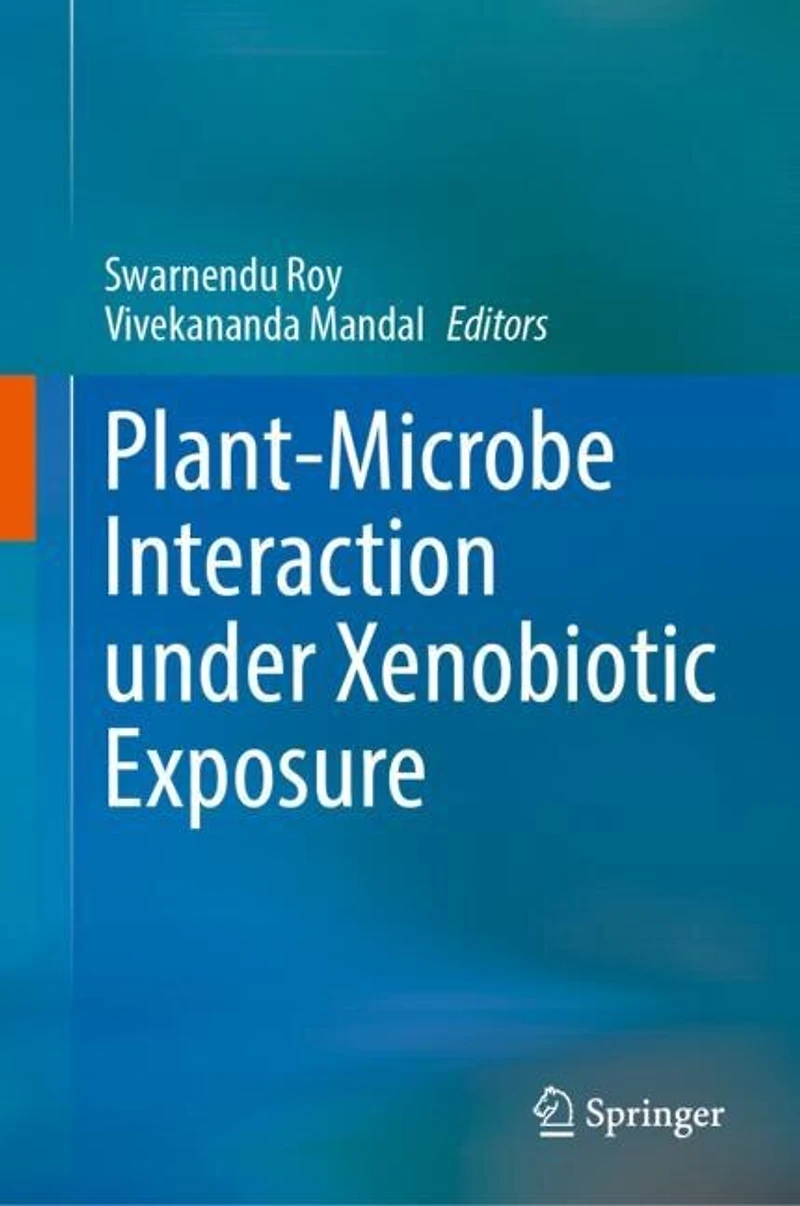
Plant-Microbe Interaction under Xenobiotic Exposure in Grande Prairie, AB
Current price: $408.95
Coles
Plant-Microbe Interaction under Xenobiotic Exposure in Grande Prairie, AB
Current price: $408.95
Loading Inventory...
Size: Hardcover
*Product information and pricing may vary - to confirm current pricing, availability, shipping, and return information please contact Coles. In the event of a pricing discrepancy, the retailer's price will apply.
This book presents the impact of a wide array of xenobiotic compounds on the physio-biochemical and molecular parameters in an integrative format. It highlights recent advances in bioremediation strategies, including the use of novel microorganisms, rhizosphere engineering, microbial enzymes, and nanotechnology. By exploring the effects of xenobiotic exposure on plants and microbes holistically, this book aims to boost sustainable agriculture for the future. Key concepts include the mechanisms and strategies plants employ for detoxifying xenobiotics, microbial mitigation of plant stress, and the role of nanobiosensors in environmental monitoring. Chapters delve into topics such as the ecological impacts of emerging pollutants, plant-microbe interactions under environmental stress, and innovative bioremediation techniques. This comprehensive analysis makes the book a must-read for understanding the challenges and solutions in managing xenobiotic impacts. Researchers, scholars, and scientists in Plant Sciences, Agriculture, and related fields will find this book invaluable. With illustrative schemes and sketches, the book effectively communicates complex ideas, drawing attention to the critical challenges of future food production and environmental issues. It is particularly relevant for academics, practitioners, and policymakers seeking to understand and address the impacts of xenobiotics on ecosystems. By providing a detailed exploration of current research and innovative solutions, the book serves as a vital resource for those committed to fostering a sustainable future.
This book presents the impact of a wide array of xenobiotic compounds on the physio-biochemical and molecular parameters in an integrative format. It highlights recent advances in bioremediation strategies, including the use of novel microorganisms, rhizosphere engineering, microbial enzymes, and nanotechnology. By exploring the effects of xenobiotic exposure on plants and microbes holistically, this book aims to boost sustainable agriculture for the future. Key concepts include the mechanisms and strategies plants employ for detoxifying xenobiotics, microbial mitigation of plant stress, and the role of nanobiosensors in environmental monitoring. Chapters delve into topics such as the ecological impacts of emerging pollutants, plant-microbe interactions under environmental stress, and innovative bioremediation techniques. This comprehensive analysis makes the book a must-read for understanding the challenges and solutions in managing xenobiotic impacts. Researchers, scholars, and scientists in Plant Sciences, Agriculture, and related fields will find this book invaluable. With illustrative schemes and sketches, the book effectively communicates complex ideas, drawing attention to the critical challenges of future food production and environmental issues. It is particularly relevant for academics, practitioners, and policymakers seeking to understand and address the impacts of xenobiotics on ecosystems. By providing a detailed exploration of current research and innovative solutions, the book serves as a vital resource for those committed to fostering a sustainable future.









Find at Prairie Mall in Grande Prairie, AB
Visit at Prairie Mall in Grande Prairie, AB