


Gifting Made Simple
Give the Gift of ChoiceClick below to purchase a Prairie Mall eGift Card that can be used at participating retailers at Prairie Mall.Buy Gift CardHome
Piano Scales FOR KIDS: Essential Guide to Learn How to Play Scales and Best Finger Positions
Coles
Loading Inventory...
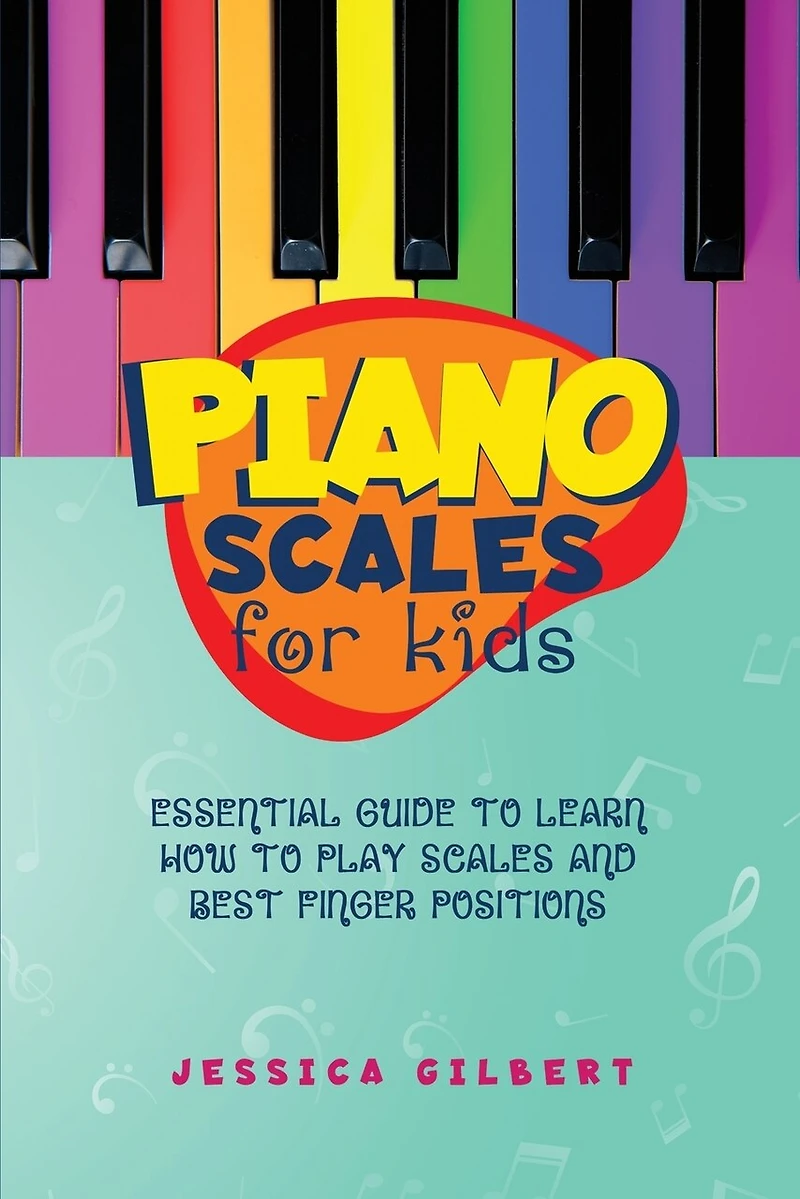
Piano Scales FOR KIDS: Essential Guide to Learn How to Play Scales and Best Finger Positions in Grande Prairie, AB
Current price: $21.99
Coles
Piano Scales FOR KIDS: Essential Guide to Learn How to Play Scales and Best Finger Positions in Grande Prairie, AB
Current price: $21.99
Loading Inventory...
Size: Paperback
*Product information and pricing may vary - to confirm current pricing, availability, shipping, and return information please contact Coles. In the event of a pricing discrepancy, the retailer's price will apply.
The piano is a longstanding, classical, and revered instrument. Invented in the 1700s by Bartolomeo Cristofori (1655-1731) of Padua, Italy, with plenty of hammers and planters to boot, the piano came to be quite popular in the homes of many a Western brood by the end of the nineteenth century. When someone thinks of a classical composer, it wouldn't be unusual to go to Bach, Beethoven, and the like and easily associate them with piano. Many believe that piano sets the standard for musicians, laying the foundation for instrumental affinity. What does that mean, exactly? The piano is awesome. But you knew that already. Yet, what makes a good pianist great? What are the tools used to get you from here to there? While playing is, of course, supposed to be fun, sometimes a bit of direction is what we need to get to the next level.
The basic keyboard, housing case, lid, pedals, keys, hammers, and strings still make up the majority of the modern piano's design and componentry. This piano has withstood the test of time and largely remained intact, with the exception of electric keyboards and some piano types.
The piano is a longstanding, classical, and revered instrument. Invented in the 1700s by Bartolomeo Cristofori (1655-1731) of Padua, Italy, with plenty of hammers and planters to boot, the piano came to be quite popular in the homes of many a Western brood by the end of the nineteenth century. When someone thinks of a classical composer, it wouldn't be unusual to go to Bach, Beethoven, and the like and easily associate them with piano. Many believe that piano sets the standard for musicians, laying the foundation for instrumental affinity. What does that mean, exactly? The piano is awesome. But you knew that already. Yet, what makes a good pianist great? What are the tools used to get you from here to there? While playing is, of course, supposed to be fun, sometimes a bit of direction is what we need to get to the next level.
The basic keyboard, housing case, lid, pedals, keys, hammers, and strings still make up the majority of the modern piano's design and componentry. This piano has withstood the test of time and largely remained intact, with the exception of electric keyboards and some piano types.
You May Also Like











Find at Prairie Mall in Grande Prairie, AB
Visit at Prairie Mall in Grande Prairie, AB