


Gifting Made Simple
Give the Gift of ChoiceClick below to purchase a Prairie Mall eGift Card that can be used at participating retailers at Prairie Mall.Buy Gift CardHome
Physical Education for Young Children: Movement ABCs for the Little Ones
Coles
Loading Inventory...
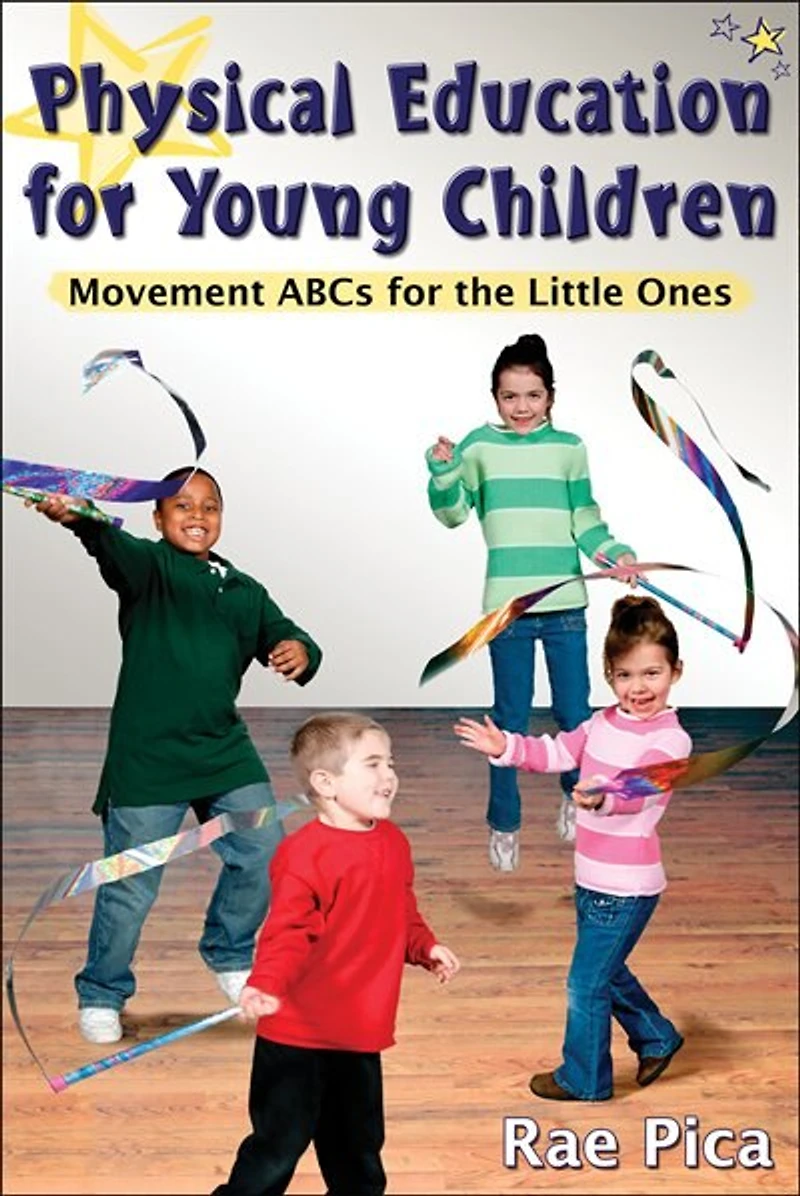
Physical Education for Young Children: Movement ABCs for the Little Ones in Grande Prairie, AB
Current price: $40.95
Coles
Physical Education for Young Children: Movement ABCs for the Little Ones in Grande Prairie, AB
Current price: $40.95
Loading Inventory...
Size: Paperback
*Product information and pricing may vary - to confirm current pricing, availability, shipping, and return information please contact Coles. In the event of a pricing discrepancy, the retailer's price will apply.
Through Physical Education for Young Children, you can
-learn about the unique needs of 4- to 8-year-olds and write developmentally appropriate lesson plans to meet these needs,
-provide a logical progression of movement skills and awareness of the elements of movement (space, shape, time, force, flow, and rhythm), and
-develop kids' motor skills, manipulative skills, and fitness while making connections across the curriculum.
Physical Education for Young Children: Movement ABCs for the Little Ones author Rae Pica is constantly asked by elementary physical education teachers, “What am I supposed to do with the little ones?” Most college preparatory programs don't address the issue, either, but Pica takes it on in Physical Education for Young Children: Movement ABCs for the Little Ones, coming to the aid of teachers who are stumped when it comes to the developmental needs and abilities of young children.
Physical Education for Young Children places the focus squarely where it needs to be: on the fundamentals. The book provides teachers with the following tools:
-A logical progression of movement skills, including the ABCs of movement, body-part identification, and nonlocomotor, locomotor, and manipulative skills
-Awareness of the elements of movement: space, shape, time, force, flow, and rhythm
-An understanding of the developmental differences between younger students and their older counterparts
-Guidance in understanding the unique needs of 4- to 8-year-olds and writing developmentally appropriate lesson plans to meet those needs while making connections across the curriculum
-Many activities that develop motor skills, manipulative skills, fitness, and the understanding of the elements of movement
In addition, Physical Education for Young Children offers guidance in teaching across subject areas to provide an interdisciplinary approach, offers sample lesson plans to meet the unique needs of the little ones, and lists resources for children's music, equipment, and props.
Chapter 1 explores aspects of physical, social, emotional, and cognitive development as they pertain to teaching 4- to 8-year-olds. Chapter 2 helps teachers understand how to use what they know about young children to create and maintain a positive atmosphere in the gym. Chapters 3 and 4 delve into movement concepts and an appropriate progression for acquiring motor skills.
Chapter 5 covers developmentally appropriate fitness for the little ones, and chapter 6 addresses manipulative skills. These skills, which receive the greatest attention in most PE programs, are saved for late in the book because kids need to master basic locomotor and nonlocomotor skills before focusing on manipulating objects.
Chapter 7 offers guidance on linking the activities in the gym with those in the classroom. This not only generates enthusiasm among the kids, but it also helps PE teachers serve as advocates for the physical education field. The appendixes provide sample lesson plans and a variety of resources.
With Physical Education for Young Children, PE teachers will no longer have to ask what to do with the little ones. They will know—and they will be able to build a physical education curriculum that serves the unique needs of 4- to 8-year-olds.
Through Physical Education for Young Children, you can
-learn about the unique needs of 4- to 8-year-olds and write developmentally appropriate lesson plans to meet these needs,
-provide a logical progression of movement skills and awareness of the elements of movement (space, shape, time, force, flow, and rhythm), and
-develop kids' motor skills, manipulative skills, and fitness while making connections across the curriculum.
Physical Education for Young Children: Movement ABCs for the Little Ones author Rae Pica is constantly asked by elementary physical education teachers, “What am I supposed to do with the little ones?” Most college preparatory programs don't address the issue, either, but Pica takes it on in Physical Education for Young Children: Movement ABCs for the Little Ones, coming to the aid of teachers who are stumped when it comes to the developmental needs and abilities of young children.
Physical Education for Young Children places the focus squarely where it needs to be: on the fundamentals. The book provides teachers with the following tools:
-A logical progression of movement skills, including the ABCs of movement, body-part identification, and nonlocomotor, locomotor, and manipulative skills
-Awareness of the elements of movement: space, shape, time, force, flow, and rhythm
-An understanding of the developmental differences between younger students and their older counterparts
-Guidance in understanding the unique needs of 4- to 8-year-olds and writing developmentally appropriate lesson plans to meet those needs while making connections across the curriculum
-Many activities that develop motor skills, manipulative skills, fitness, and the understanding of the elements of movement
In addition, Physical Education for Young Children offers guidance in teaching across subject areas to provide an interdisciplinary approach, offers sample lesson plans to meet the unique needs of the little ones, and lists resources for children's music, equipment, and props.
Chapter 1 explores aspects of physical, social, emotional, and cognitive development as they pertain to teaching 4- to 8-year-olds. Chapter 2 helps teachers understand how to use what they know about young children to create and maintain a positive atmosphere in the gym. Chapters 3 and 4 delve into movement concepts and an appropriate progression for acquiring motor skills.
Chapter 5 covers developmentally appropriate fitness for the little ones, and chapter 6 addresses manipulative skills. These skills, which receive the greatest attention in most PE programs, are saved for late in the book because kids need to master basic locomotor and nonlocomotor skills before focusing on manipulating objects.
Chapter 7 offers guidance on linking the activities in the gym with those in the classroom. This not only generates enthusiasm among the kids, but it also helps PE teachers serve as advocates for the physical education field. The appendixes provide sample lesson plans and a variety of resources.
With Physical Education for Young Children, PE teachers will no longer have to ask what to do with the little ones. They will know—and they will be able to build a physical education curriculum that serves the unique needs of 4- to 8-year-olds.
You May Also Like








Find at Prairie Mall in Grande Prairie, AB
Visit at Prairie Mall in Grande Prairie, AB