


Gifting Made Simple
Give the Gift of ChoiceClick below to purchase a Prairie Mall eGift Card that can be used at participating retailers at Prairie Mall.Buy Gift CardHome
Philosophy of Developmental Biology
Coles
Loading Inventory...
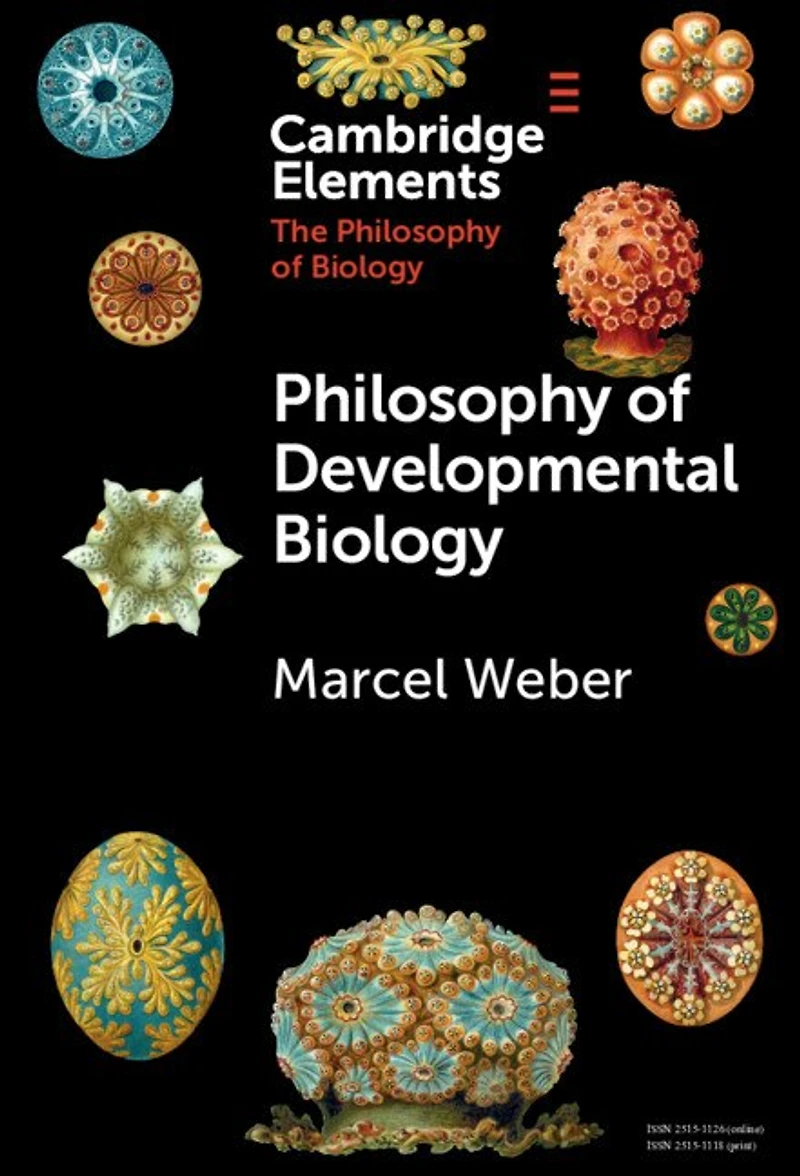
Philosophy of Developmental Biology in Grande Prairie, AB
Current price: $94.73
Coles
Philosophy of Developmental Biology in Grande Prairie, AB
Current price: $94.73
Loading Inventory...
Size: Hardcover
*Product information and pricing may vary - to confirm current pricing, availability, shipping, and return information please contact Coles. In the event of a pricing discrepancy, the retailer's price will apply.
The history of developmental biology is interwoven with debates as to whether mechanistic explanations of development are possible or whether alternative explanatory principles or even vital forces need to be assumed. In particular, the demonstrated ability of embryonic cells to tune their developmental fate precisely to their relative position and the overall size of the embryo was once thought to be inexplicable in mechanistic terms. Taking a causal perspective, this Element examines to what extent and how developmental biology, having turned molecular about four decades ago, has been able to meet the vitalist challenge. It focuses not only on the nature of explanations but also on the usefulness of causal knowledge – including the knowledge of classical experimental embryology – for further scientific discovery. It also shows how this causal perspective allows us to understand the nature and significance of some key concepts, including organizer, signal and morphogen. This title is also available as Open Access on Cambridge Core.
The history of developmental biology is interwoven with debates as to whether mechanistic explanations of development are possible or whether alternative explanatory principles or even vital forces need to be assumed. In particular, the demonstrated ability of embryonic cells to tune their developmental fate precisely to their relative position and the overall size of the embryo was once thought to be inexplicable in mechanistic terms. Taking a causal perspective, this Element examines to what extent and how developmental biology, having turned molecular about four decades ago, has been able to meet the vitalist challenge. It focuses not only on the nature of explanations but also on the usefulness of causal knowledge – including the knowledge of classical experimental embryology – for further scientific discovery. It also shows how this causal perspective allows us to understand the nature and significance of some key concepts, including organizer, signal and morphogen. This title is also available as Open Access on Cambridge Core.
You May Also Like








Find at Prairie Mall in Grande Prairie, AB
Visit at Prairie Mall in Grande Prairie, AB