


Gifting Made Simple
Give the Gift of ChoiceClick below to purchase a Prairie Mall eGift Card that can be used at participating retailers at Prairie Mall.Buy Gift CardHome
Peripheralizing DeLillo: Surplus Populations, Capitalist Crisis, and the Novel
Coles
Loading Inventory...
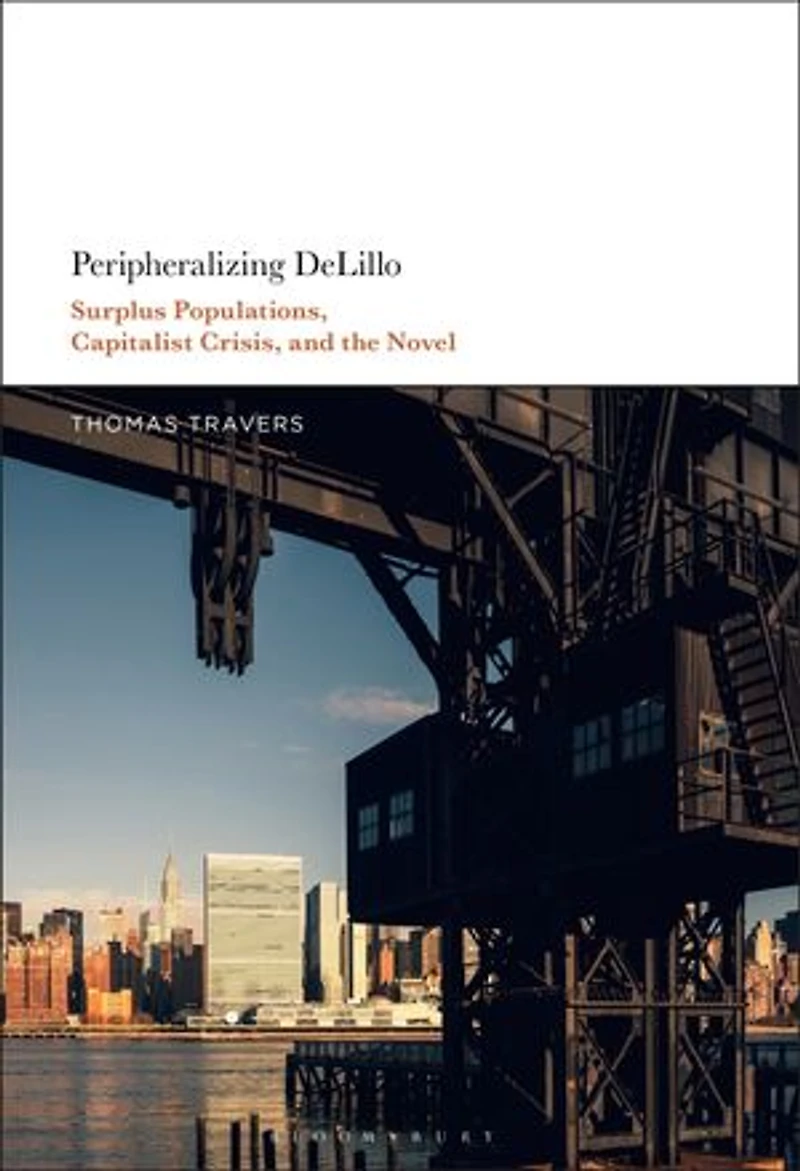
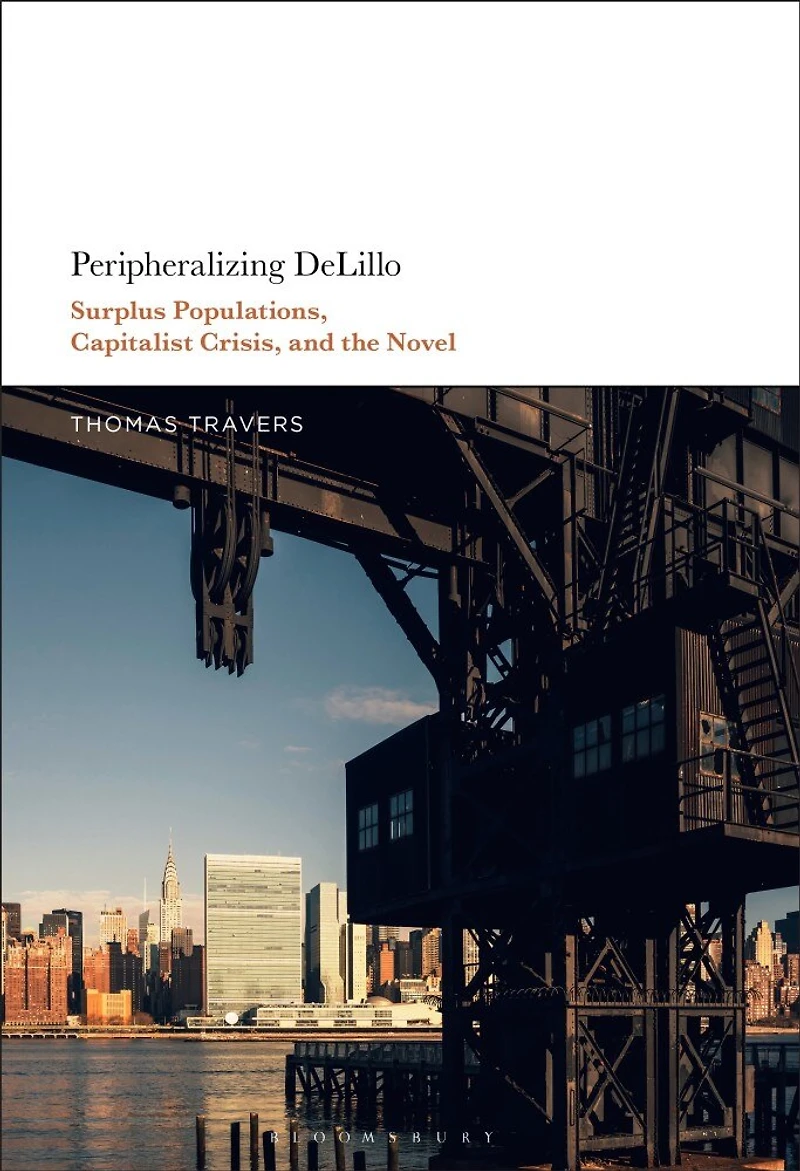
Peripheralizing DeLillo: Surplus Populations, Capitalist Crisis, and the Novel in Grande Prairie, AB
Current price: $43.19
Original price: $53.95
Coles
Peripheralizing DeLillo: Surplus Populations, Capitalist Crisis, and the Novel in Grande Prairie, AB
Current price: $43.19
Original price: $53.95
Loading Inventory...
Size: Kobo eBook
*Product information and pricing may vary - to confirm current pricing, availability, shipping, and return information please contact Coles. In the event of a pricing discrepancy, the retailer's price will apply.
Peripheralizing DeLillo tracks the historical arc of Don DeLillo's poetics as it recomposes itself across the genres of short fiction, romance, the historical novel, and the philosophical novel of time. Drawing on theories that capital, rather than the bourgeoisie, is the displaced subject of the novel, Thomas Travers investigates DeLillo's representation of fully commodified social worlds and re-evaluates Marxist accounts of the novel and its philosophy of history. Deploying an innovative re-periodisation, Travers considers the evolution of DeLillo's aesthetic forms as they register and encode one of the crises of contemporary historicity: the secular dynamics through which a society organised around waged work tends towards conditions of under- and unemployment. Situating DeLillo within global histories of uneven and combined development, Travers explores how DeLillo's treatment of capital and labour, affect and narration, reconfigures debates around realism and modernism. The DeLillo that emerges from this study is no longer an exemplary postmodern writer, but a composer of capitalist epics, a novelist drawn to peripheral zones of accumulation, zones of social death whose surplus populations his fiction strives to re-historicise, if not re-dialecticise as subjects of history.
Peripheralizing DeLillo tracks the historical arc of Don DeLillo's poetics as it recomposes itself across the genres of short fiction, romance, the historical novel, and the philosophical novel of time. Drawing on theories that capital, rather than the bourgeoisie, is the displaced subject of the novel, Thomas Travers investigates DeLillo's representation of fully commodified social worlds and re-evaluates Marxist accounts of the novel and its philosophy of history. Deploying an innovative re-periodisation, Travers considers the evolution of DeLillo's aesthetic forms as they register and encode one of the crises of contemporary historicity: the secular dynamics through which a society organised around waged work tends towards conditions of under- and unemployment. Situating DeLillo within global histories of uneven and combined development, Travers explores how DeLillo's treatment of capital and labour, affect and narration, reconfigures debates around realism and modernism. The DeLillo that emerges from this study is no longer an exemplary postmodern writer, but a composer of capitalist epics, a novelist drawn to peripheral zones of accumulation, zones of social death whose surplus populations his fiction strives to re-historicise, if not re-dialecticise as subjects of history.
You May Also Like














Find at Prairie Mall in Grande Prairie, AB
Visit at Prairie Mall in Grande Prairie, AB