


Gifting Made Simple
Give the Gift of ChoiceClick below to purchase a Prairie Mall eGift Card that can be used at participating retailers at Prairie Mall.Buy Gift CardHome
Performing New Media, 1890–1915
Coles
Loading Inventory...
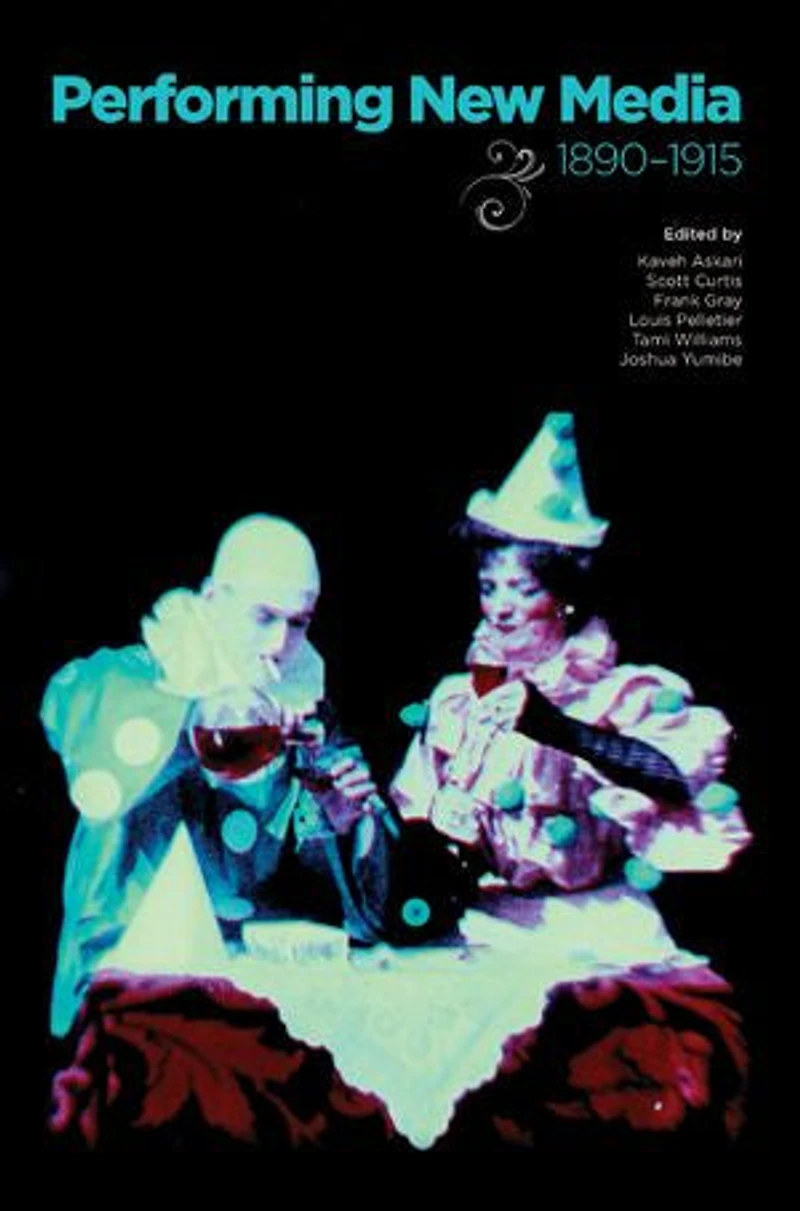
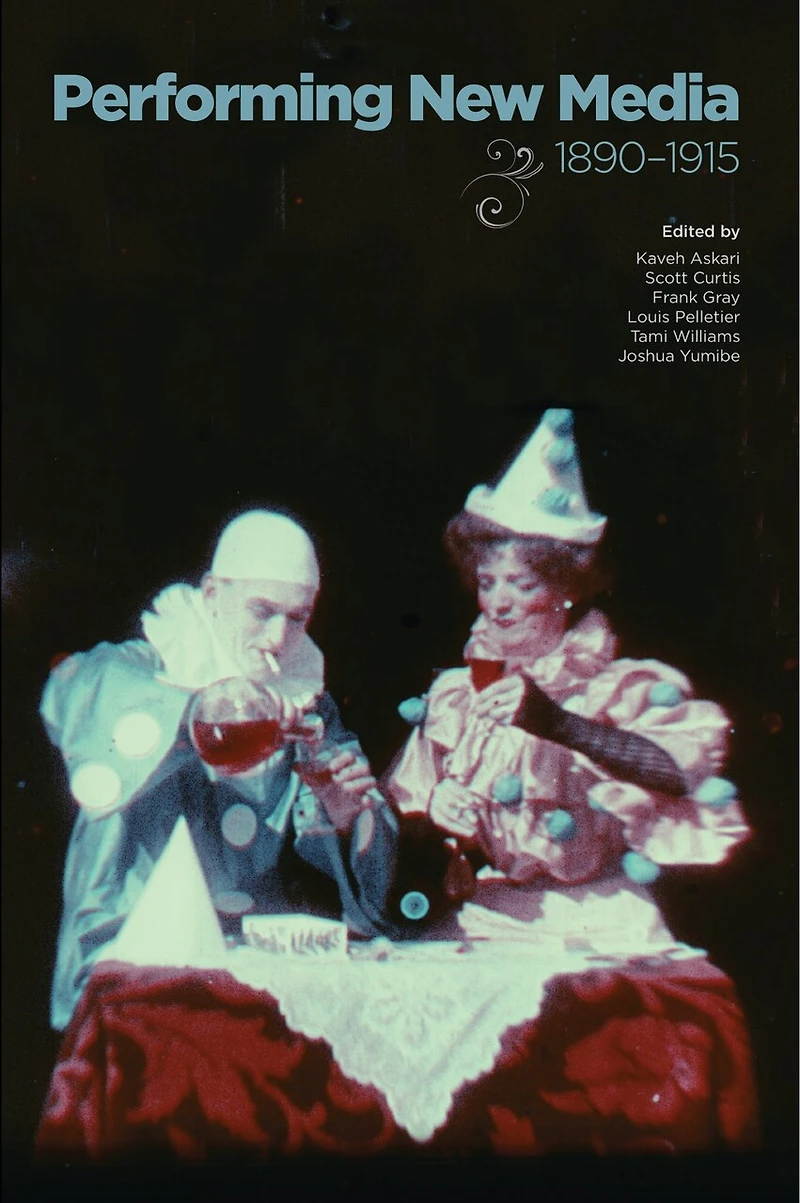
Performing New Media, 1890–1915 in Grande Prairie, AB
Current price: $17.59
Original price: $21.99
Coles
Performing New Media, 1890–1915 in Grande Prairie, AB
Current price: $17.59
Original price: $21.99
Loading Inventory...
Size: Kobo eBook
*Product information and pricing may vary - to confirm current pricing, availability, shipping, and return information please contact Coles. In the event of a pricing discrepancy, the retailer's price will apply.
Essays examining the effects of media innovations in cinema at the turn of the twentieth century affected performances on screen, as well as beside it.
In the years before the First World War, showmen, entrepreneurs, educators, and scientists used magic lanterns and cinematographs in many contexts and many venues. To employ these silent screen technologies to deliver diverse and complex programs usually demanded audio accompaniment, creating a performance of both sound and image. These shows might include live music, song, lectures, narration, and synchronized sound effects provided by any available party—projectionist, local talent, accompanist or backstage crew—and would often borrow techniques from shadow plays and tableaux vivants. The performances were not immune to the influence of social and cultural forces, such as censorship or reform movements. This collection of essays considers the ways in which different visual practices carried out at the turn of the twentieth century shaped performances on and beside the screen.
Essays examining the effects of media innovations in cinema at the turn of the twentieth century affected performances on screen, as well as beside it.
In the years before the First World War, showmen, entrepreneurs, educators, and scientists used magic lanterns and cinematographs in many contexts and many venues. To employ these silent screen technologies to deliver diverse and complex programs usually demanded audio accompaniment, creating a performance of both sound and image. These shows might include live music, song, lectures, narration, and synchronized sound effects provided by any available party—projectionist, local talent, accompanist or backstage crew—and would often borrow techniques from shadow plays and tableaux vivants. The performances were not immune to the influence of social and cultural forces, such as censorship or reform movements. This collection of essays considers the ways in which different visual practices carried out at the turn of the twentieth century shaped performances on and beside the screen.
You May Also Like











Find at Prairie Mall in Grande Prairie, AB
Visit at Prairie Mall in Grande Prairie, AB