


Gifting Made Simple
Give the Gift of ChoiceClick below to purchase a Prairie Mall eGift Card that can be used at participating retailers at Prairie Mall.Buy Gift CardHome
People (Jen), State and Inter-state Relations: A Psycho-Culturological Approach
Coles
Loading Inventory...
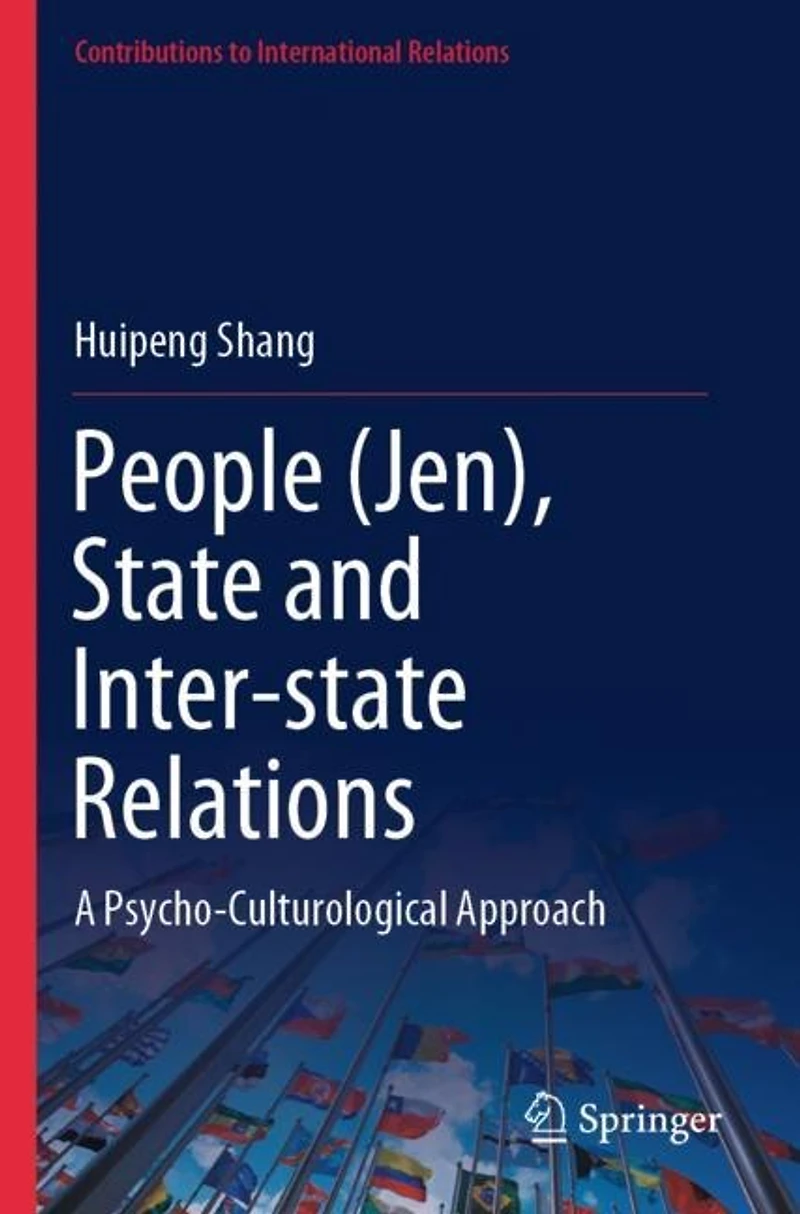
People (Jen), State and Inter-state Relations: A Psycho-Culturological Approach in Grande Prairie, AB
Current price: $87.95
Coles
People (Jen), State and Inter-state Relations: A Psycho-Culturological Approach in Grande Prairie, AB
Current price: $87.95
Loading Inventory...
Size: Paperback
*Product information and pricing may vary - to confirm current pricing, availability, shipping, and return information please contact Coles. In the event of a pricing discrepancy, the retailer's price will apply.
This book explores the relationship between the "human constant" (Jen) of the four large-scale civilizational societies-China, the USA, Japan, and India-and their international behavior, response patterns, and interaction with the international system. The book analyzes the characteristics and limitations of the current international system, as well as the way it is related to the Western type of "human constant". It also analyzes the challenges facing China in its integration into the international system. This book aims to explore international relations from the combined psychological and cultural perspective. The key concept of this book is "Jen", which contains a distinct Chinese cultural experience, into the theory of international relations. Unlike other IR books to treat state as the main political actor, the book analyzes both the political aspects of state as an "organizational entity" and its civilizational aspects as a "civilizational entity"; hence, it proposes a new ontology of international relations. By integrating the concept of "Jen" based on the unique Chinese cultural experience into the theory of international relations, the book reveals the interactive nature of relationship between the international system and "human constant". The book explains the causal relationship between state's behavior and its "human constant", analyzes the cultural characteristics of state actors and the international system, and tries to provide a new theoretical framework for understanding culture and modernity.
This book explores the relationship between the "human constant" (Jen) of the four large-scale civilizational societies-China, the USA, Japan, and India-and their international behavior, response patterns, and interaction with the international system. The book analyzes the characteristics and limitations of the current international system, as well as the way it is related to the Western type of "human constant". It also analyzes the challenges facing China in its integration into the international system. This book aims to explore international relations from the combined psychological and cultural perspective. The key concept of this book is "Jen", which contains a distinct Chinese cultural experience, into the theory of international relations. Unlike other IR books to treat state as the main political actor, the book analyzes both the political aspects of state as an "organizational entity" and its civilizational aspects as a "civilizational entity"; hence, it proposes a new ontology of international relations. By integrating the concept of "Jen" based on the unique Chinese cultural experience into the theory of international relations, the book reveals the interactive nature of relationship between the international system and "human constant". The book explains the causal relationship between state's behavior and its "human constant", analyzes the cultural characteristics of state actors and the international system, and tries to provide a new theoretical framework for understanding culture and modernity.
You May Also Like









Find at Prairie Mall in Grande Prairie, AB
Visit at Prairie Mall in Grande Prairie, AB