


Gifting Made Simple
Give the Gift of ChoiceClick below to purchase a Prairie Mall eGift Card that can be used at participating retailers at Prairie Mall.Buy Gift CardHome
Pedro de Valencia and the Catholic Apologists of the Expulsion of the Moriscos: Visions of Christianity and Kingship
Coles
Loading Inventory...
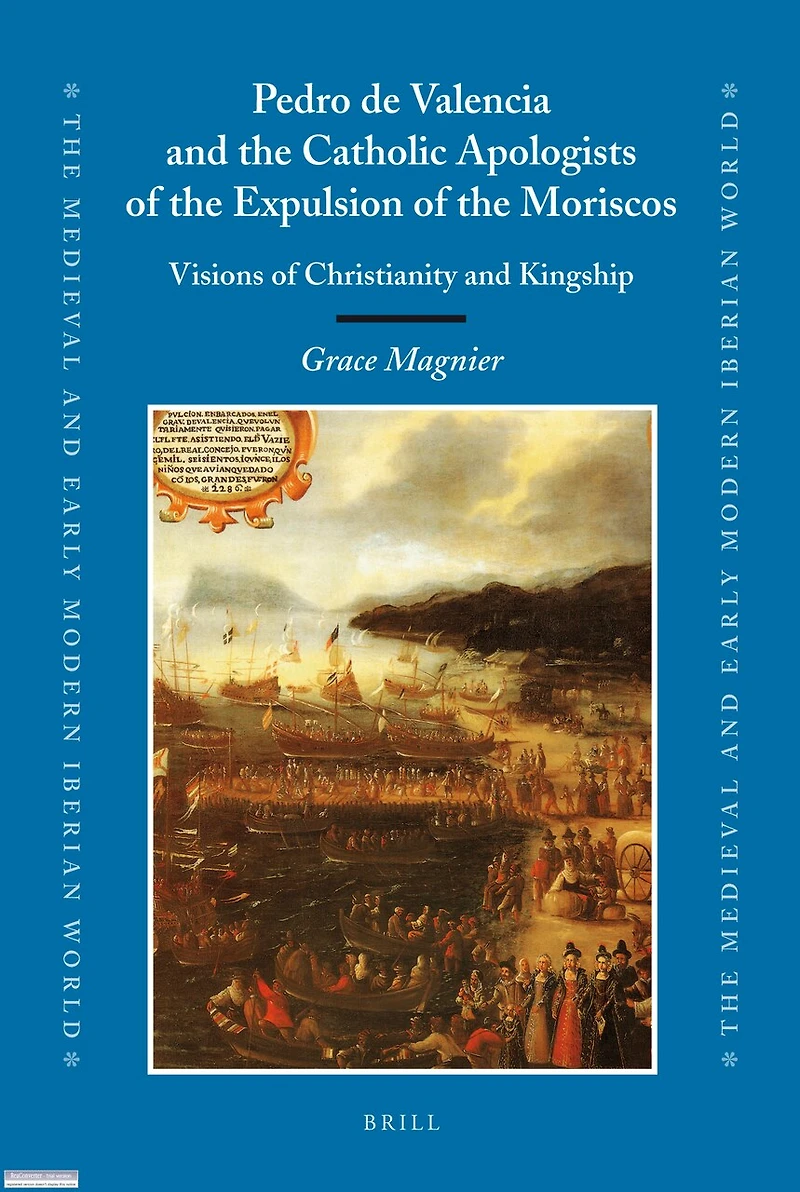
Pedro de Valencia and the Catholic Apologists of the Expulsion of the Moriscos: Visions of Christianity and Kingship in Grande Prairie, AB
Current price: $319.99
Coles
Pedro de Valencia and the Catholic Apologists of the Expulsion of the Moriscos: Visions of Christianity and Kingship in Grande Prairie, AB
Current price: $319.99
Loading Inventory...
Size: Hardcover
*Product information and pricing may vary - to confirm current pricing, availability, shipping, and return information please contact Coles. In the event of a pricing discrepancy, the retailer's price will apply.
The Spanish Moriscos, Muslims forcibly converted to Christianity, were expelled by Philip III between 1609 and 1614. Subsequently, writers known as Catholic Apologists wrote justifying the event. Pedro de Valencia, humanist, biblical scholar, jurist and royal Chronicler, condemned expulsion. Both Apologists and Pedro de Valencia made their case by invoking Divine Providence: the former contended that millenarian prophecies and apocalyptic visions were signs of divine warning beforehand and of approval afterwards; Valencia urged Philip III to act as a shepherd king, arguing that Divine Providence would punish monarchs who put political expediency before moral rectitude. Drawing on unpublished source material, the book juxtaposes the ideals of Valencia, a Christian humanist, with the bigotry, superstition and racism of the Apologists.
The Spanish Moriscos, Muslims forcibly converted to Christianity, were expelled by Philip III between 1609 and 1614. Subsequently, writers known as Catholic Apologists wrote justifying the event. Pedro de Valencia, humanist, biblical scholar, jurist and royal Chronicler, condemned expulsion. Both Apologists and Pedro de Valencia made their case by invoking Divine Providence: the former contended that millenarian prophecies and apocalyptic visions were signs of divine warning beforehand and of approval afterwards; Valencia urged Philip III to act as a shepherd king, arguing that Divine Providence would punish monarchs who put political expediency before moral rectitude. Drawing on unpublished source material, the book juxtaposes the ideals of Valencia, a Christian humanist, with the bigotry, superstition and racism of the Apologists.
You May Also Like













Find at Prairie Mall in Grande Prairie, AB
Visit at Prairie Mall in Grande Prairie, AB