


Gifting Made Simple
Give the Gift of ChoiceClick below to purchase a Prairie Mall eGift Card that can be used at participating retailers at Prairie Mall.Buy Gift CardHome
Peace and Conflict in Ladakh: The Construction of a Fragile Web of Order
Coles
Loading Inventory...
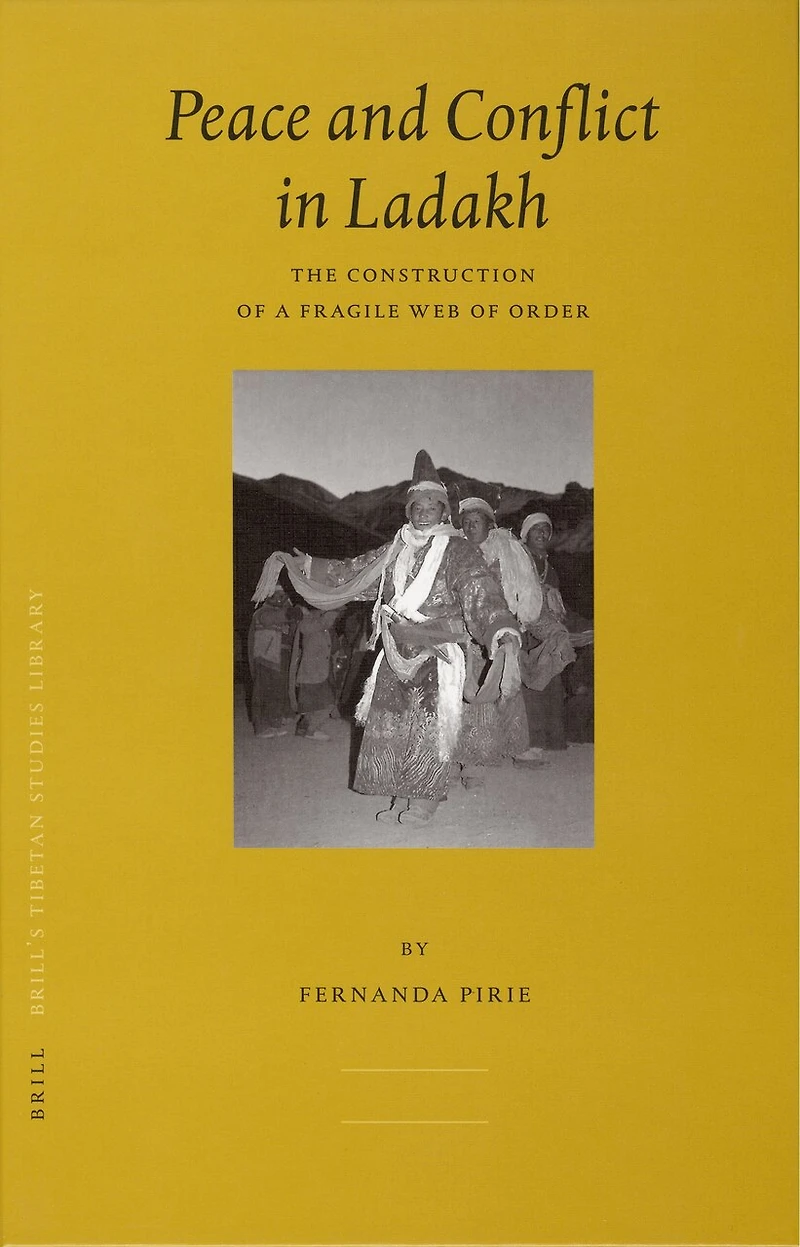
Peace and Conflict in Ladakh: The Construction of a Fragile Web of Order in Grande Prairie, AB
Current price: $249.99
Coles
Peace and Conflict in Ladakh: The Construction of a Fragile Web of Order in Grande Prairie, AB
Current price: $249.99
Loading Inventory...
Size: Hardcover
*Product information and pricing may vary - to confirm current pricing, availability, shipping, and return information please contact Coles. In the event of a pricing discrepancy, the retailer's price will apply.
Long caught between powerful neighbours, Ladakh is now a border region in the vast Indian nation state. In this detailed, anthropological study Fernanda Pirie traces the ways order has been created by, but also despite and in defiance of, the powerful external forces of religion, war, politics and wealth.
Gradually a clear analysis unfolds of the subtle dynamics that have long characterised relations between local communities and centres of power and which can successfully be applied to the wider region. This exemplary study of conflict resolution brings to light the means by which small communities, both rural and urban, negotiate peace amidst the heterogeneous forces of modernity, while at the same time critically re-examining theories that over-emphasize the explanatory power of Buddhism.
This rich ethnographic account of local practices fills a conspicuous gap in secondary literature on Tibetan law.
Long caught between powerful neighbours, Ladakh is now a border region in the vast Indian nation state. In this detailed, anthropological study Fernanda Pirie traces the ways order has been created by, but also despite and in defiance of, the powerful external forces of religion, war, politics and wealth.
Gradually a clear analysis unfolds of the subtle dynamics that have long characterised relations between local communities and centres of power and which can successfully be applied to the wider region. This exemplary study of conflict resolution brings to light the means by which small communities, both rural and urban, negotiate peace amidst the heterogeneous forces of modernity, while at the same time critically re-examining theories that over-emphasize the explanatory power of Buddhism.
This rich ethnographic account of local practices fills a conspicuous gap in secondary literature on Tibetan law.
You May Also Like











Find at Prairie Mall in Grande Prairie, AB
Visit at Prairie Mall in Grande Prairie, AB