


Gifting Made Simple
Give the Gift of ChoiceClick below to purchase a Prairie Mall eGift Card that can be used at participating retailers at Prairie Mall.Buy Gift CardHome
Panpsychism: Contemporary Perspectives
Coles
Loading Inventory...
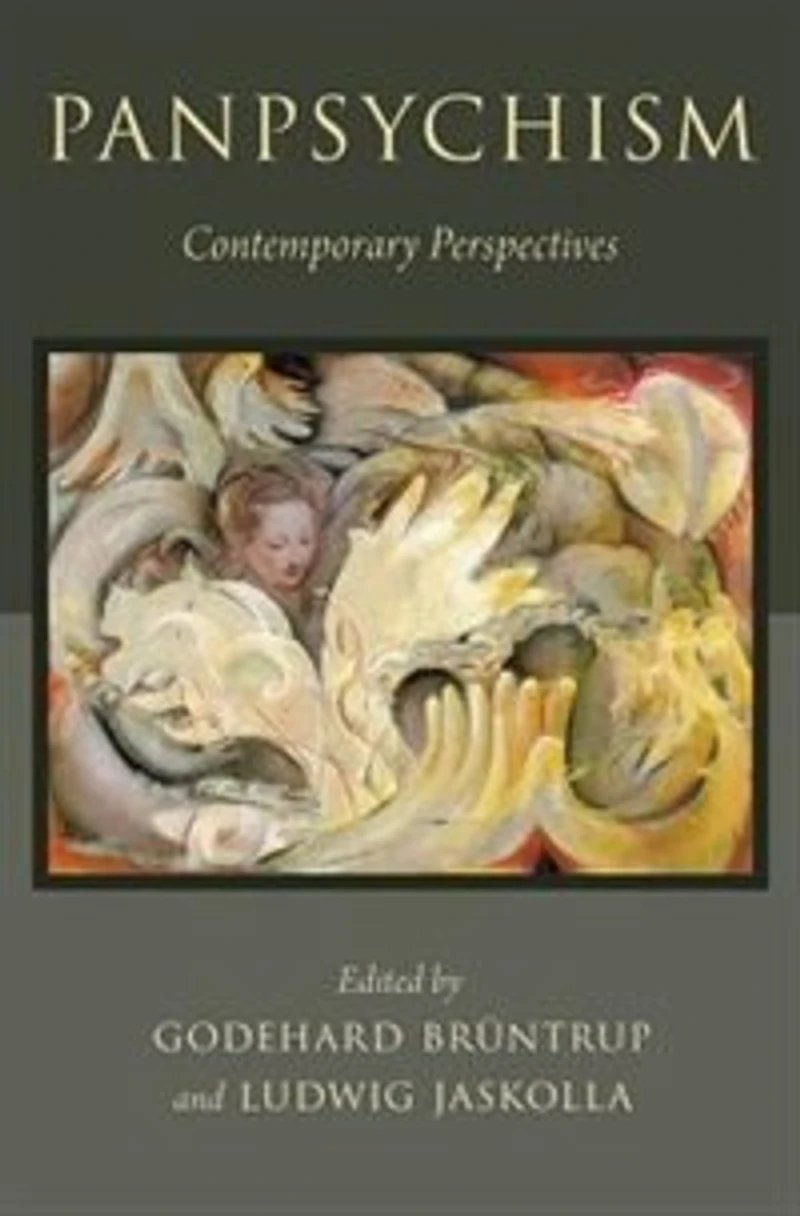
Panpsychism: Contemporary Perspectives in Grande Prairie, AB
Current price: $81.50
Coles
Panpsychism: Contemporary Perspectives in Grande Prairie, AB
Current price: $81.50
Loading Inventory...
Size: Hardcover
*Product information and pricing may vary - to confirm current pricing, availability, shipping, and return information please contact Coles. In the event of a pricing discrepancy, the retailer's price will apply.
Recent debates in philosophy of mind seemingly have resulted in an impasse. Reductive physicalism cannot account for the phenomenal mind, and nonreductive physicalism cannot safeguard a causal role for the mental as mental. Dualism was formerly considered to be the only viable alternative, but in addition to exacerbating the problem of mental causation, it is hard to square with a naturalist evolutionary framework.
By 1979, Thomas Nagel argued that if reductionism and dualism fail, and a non-reductionist form of strong emergence cannot be made intelligible, then panpsychism - the thesis that mental being is a fundamental and ubiquitous feature of the universe - might be a viable alternative. But it was not until David Chalmers' The Conscious Mind in 1996 that debates on panpsychism entered the philosophical mainstream. Since then the field has been growing rapidly, and some leading philosophers of mind as well as scientist have argued in favor of panpsychism.
This book features contemporary arguments for panpsychism as a genuine alternative in analytic philosophy of mind in the 21st century. Different varieties of panpsychism are represented and systematically related to each other in the volume's 16 essays, which feature not only proponents of panpsychism but also prominent critics from both the physicalist and non-physicalist camps.
Recent debates in philosophy of mind seemingly have resulted in an impasse. Reductive physicalism cannot account for the phenomenal mind, and nonreductive physicalism cannot safeguard a causal role for the mental as mental. Dualism was formerly considered to be the only viable alternative, but in addition to exacerbating the problem of mental causation, it is hard to square with a naturalist evolutionary framework.
By 1979, Thomas Nagel argued that if reductionism and dualism fail, and a non-reductionist form of strong emergence cannot be made intelligible, then panpsychism - the thesis that mental being is a fundamental and ubiquitous feature of the universe - might be a viable alternative. But it was not until David Chalmers' The Conscious Mind in 1996 that debates on panpsychism entered the philosophical mainstream. Since then the field has been growing rapidly, and some leading philosophers of mind as well as scientist have argued in favor of panpsychism.
This book features contemporary arguments for panpsychism as a genuine alternative in analytic philosophy of mind in the 21st century. Different varieties of panpsychism are represented and systematically related to each other in the volume's 16 essays, which feature not only proponents of panpsychism but also prominent critics from both the physicalist and non-physicalist camps.
You May Also Like









Find at Prairie Mall in Grande Prairie, AB
Visit at Prairie Mall in Grande Prairie, AB