


Gifting Made Simple
Give the Gift of ChoiceClick below to purchase a Prairie Mall eGift Card that can be used at participating retailers at Prairie Mall.Buy Gift CardHome
Outsourcing and the Global War on Terrorism (GWOT): Contractors on the Battlefield
Coles
Loading Inventory...
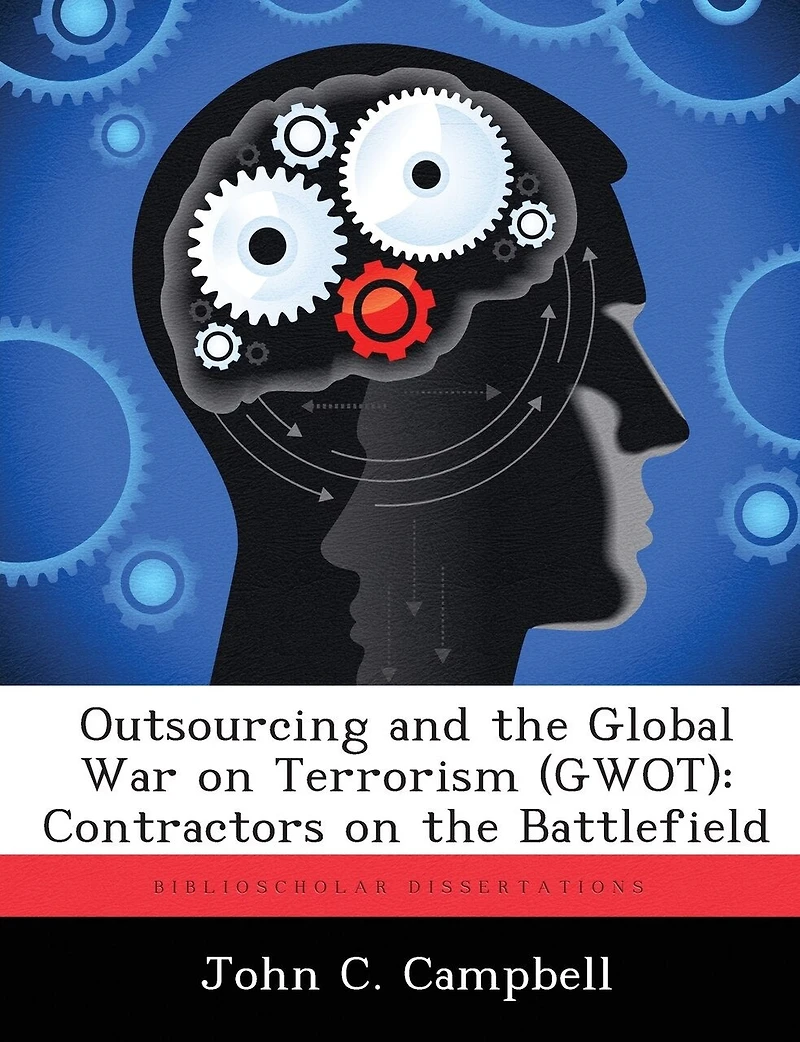
Outsourcing and the Global War on Terrorism (GWOT): Contractors on the Battlefield in Grande Prairie, AB
Current price: $59.00
Coles
Outsourcing and the Global War on Terrorism (GWOT): Contractors on the Battlefield in Grande Prairie, AB
Current price: $59.00
Loading Inventory...
Size: Paperback
*Product information and pricing may vary - to confirm current pricing, availability, shipping, and return information please contact Coles. In the event of a pricing discrepancy, the retailer's price will apply.
With the commencement of the Global War on Terrorism (GWOT), the U.S. military entered a new age of combat. Taking the battle directly to the terrorists and insurgents in their home countries, the military has suddenly found itself operating in a wide range of challenging operational environments. However, military forces are not the only ones involved in this fight. Accompanying the military in combat in far off places, such as Iraq, Afghanistan, and the Philippines, are civilian contractors. Over the last two decades, contractors on the battlefield have become an intrinsic part of today's military force structure. Although military outsourcing has been used since at least the Middle Ages, many of the historical lessons learned have often been ignored by the military. As the U.S becomes embroiled deeper in GWOT, many of these past problems are starting to re-emerge. Current Department of Defense (DOD) policy stresses the practicality of outsourcing non-direct warfare functions such as logistics, maintenance, transportation, computer support, training, and other similar types of required capabilities. This trend in DOD outsourcing, which has become increasingly popular since the late 1990s, is similar to the trend in civilian businesses of outsourcing non-core functions and activities. Inherently, this policy assumes that by outsourcing these functions the military's reliability, effectiveness, efficiency, and flexibility are improved. However, outsourcing has not historically produced all of these effects, and in times of war or crisis, many functions previously outsourced were either placed back under direct military control or transferred to uniformed personnel. Like previous military conflicts in our history, GWOT shows that many of these historical problems, such as overcharging and poor / unreliable services by contractors, are still relevant today. Historical lessons learned and current enemy tactics dictate that a re-evaluation of the present outsourcing po
With the commencement of the Global War on Terrorism (GWOT), the U.S. military entered a new age of combat. Taking the battle directly to the terrorists and insurgents in their home countries, the military has suddenly found itself operating in a wide range of challenging operational environments. However, military forces are not the only ones involved in this fight. Accompanying the military in combat in far off places, such as Iraq, Afghanistan, and the Philippines, are civilian contractors. Over the last two decades, contractors on the battlefield have become an intrinsic part of today's military force structure. Although military outsourcing has been used since at least the Middle Ages, many of the historical lessons learned have often been ignored by the military. As the U.S becomes embroiled deeper in GWOT, many of these past problems are starting to re-emerge. Current Department of Defense (DOD) policy stresses the practicality of outsourcing non-direct warfare functions such as logistics, maintenance, transportation, computer support, training, and other similar types of required capabilities. This trend in DOD outsourcing, which has become increasingly popular since the late 1990s, is similar to the trend in civilian businesses of outsourcing non-core functions and activities. Inherently, this policy assumes that by outsourcing these functions the military's reliability, effectiveness, efficiency, and flexibility are improved. However, outsourcing has not historically produced all of these effects, and in times of war or crisis, many functions previously outsourced were either placed back under direct military control or transferred to uniformed personnel. Like previous military conflicts in our history, GWOT shows that many of these historical problems, such as overcharging and poor / unreliable services by contractors, are still relevant today. Historical lessons learned and current enemy tactics dictate that a re-evaluation of the present outsourcing po
You May Also Like















Find at Prairie Mall in Grande Prairie, AB
Visit at Prairie Mall in Grande Prairie, AB