


Gifting Made Simple
Give the Gift of ChoiceClick below to purchase a Prairie Mall eGift Card that can be used at participating retailers at Prairie Mall.Buy Gift CardHome
Outlaw Justice: The Messianic Politics Of Paul
Coles
Loading Inventory...
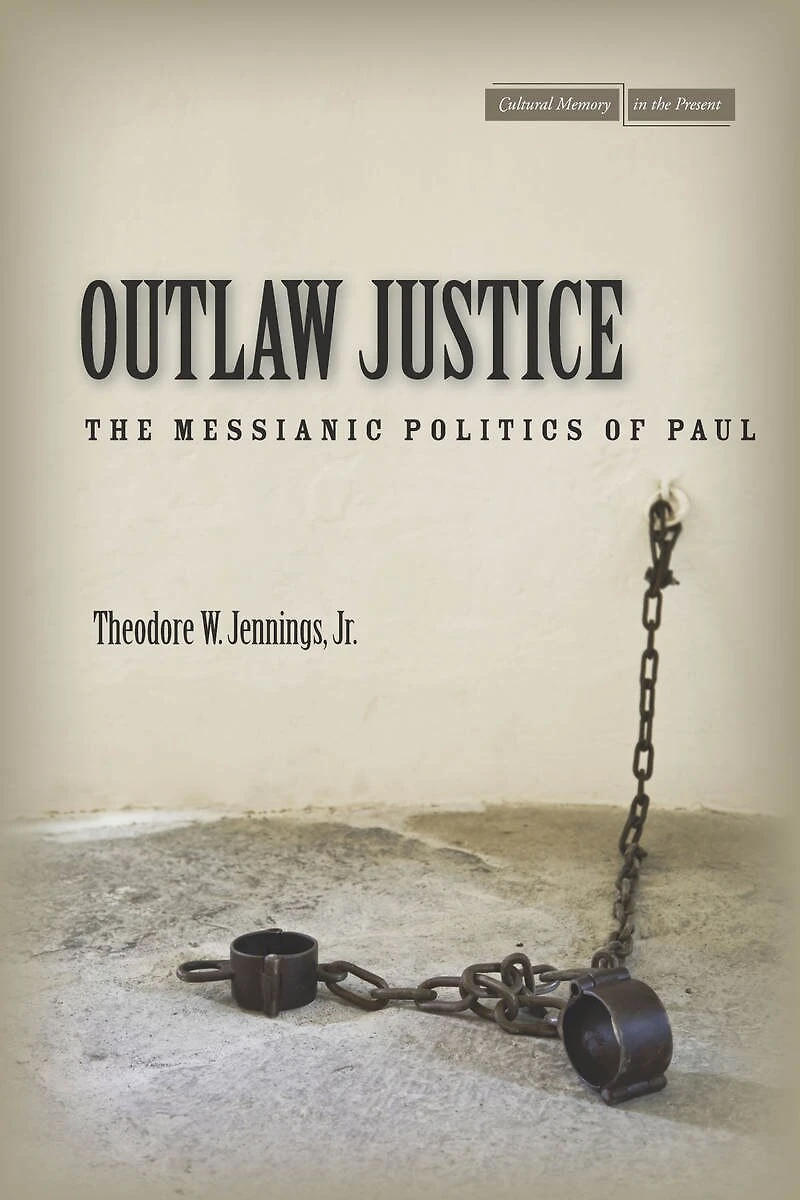
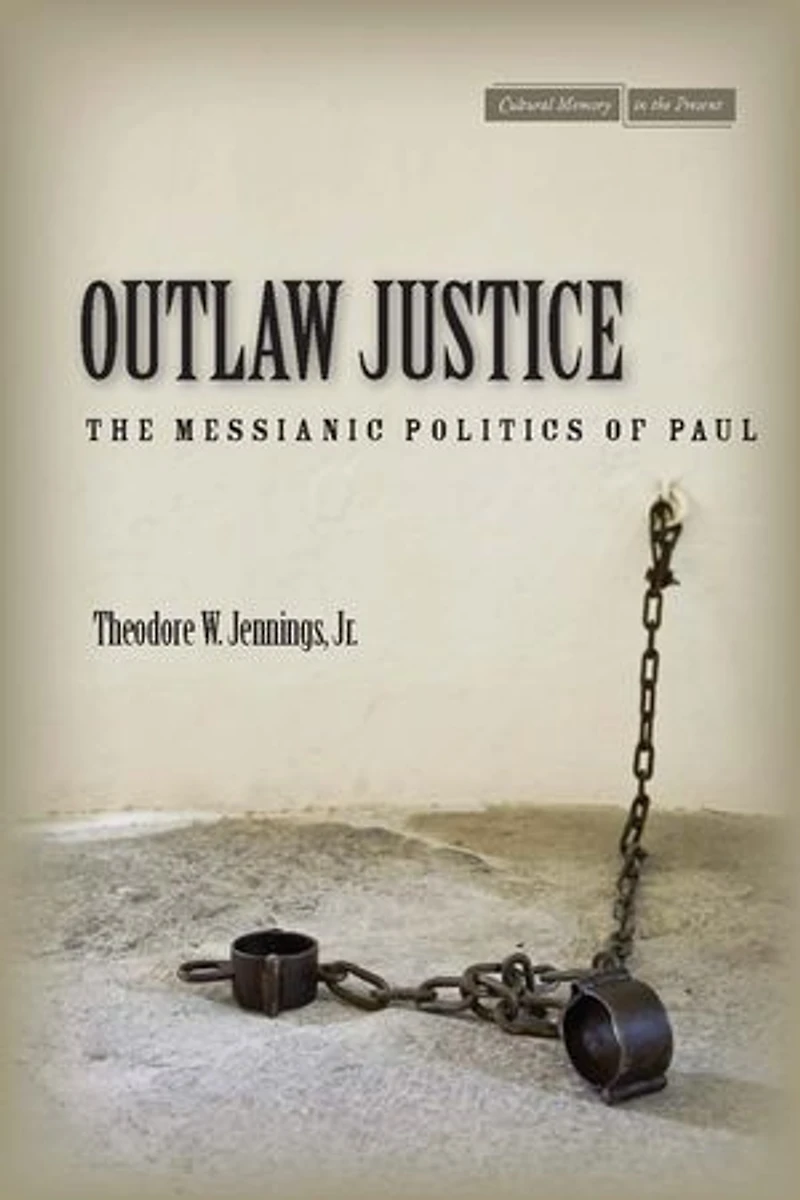
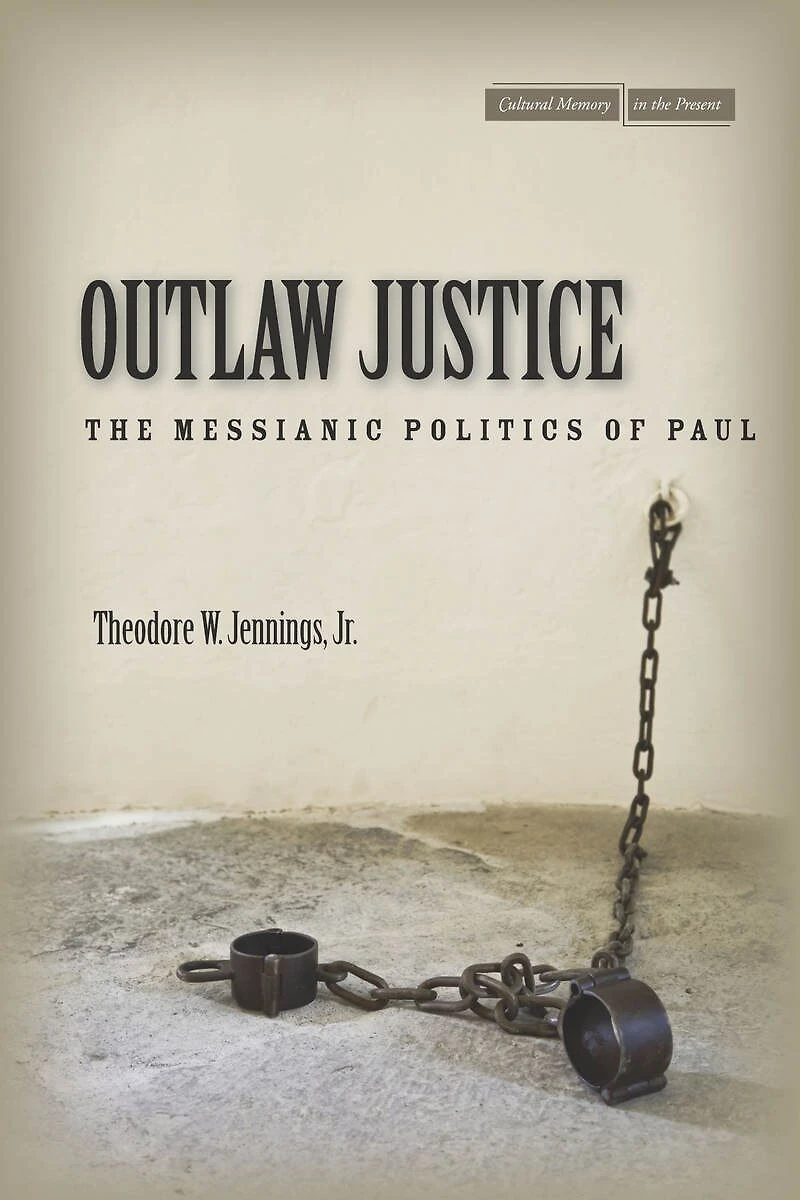
Outlaw Justice: The Messianic Politics Of Paul in Grande Prairie, AB
Current price: $151.99
Coles
Outlaw Justice: The Messianic Politics Of Paul in Grande Prairie, AB
Current price: $151.99
Loading Inventory...
Size: Hardcover
*Product information and pricing may vary - to confirm current pricing, availability, shipping, and return information please contact Coles. In the event of a pricing discrepancy, the retailer's price will apply.
This book offers a close reading of Romans that treats Paul as a radical political thinker by showing the relationship between Paul's perspective and that of secular political theorists. Turning to both ancient political philosophers (Plato, Aristotle, and Cicero) and contemporary post-Marxists (Agamben, Badiou, Derrida, and Žižek), Jennings presents Romans as a sustained argument for a new sort of political thinking concerned with the possibility and constitution of just socialities.
Reading Romans as an essay on messianic politics in conversation with ancient and postmodern political theory challenges the stereotype of Paul as a reactionary theologian who "invented" Christianity and demonstrates his importance for all, regardless of religious affiliation or academic guild, who dream and work for a society based on respect, rather than domination, division, and death. In the current context of unjust global empires constituted by avarice, arrogance, and violence, Jennings finds in Paul a stunning vision for creating just societies outside the law.
This book offers a close reading of Romans that treats Paul as a radical political thinker by showing the relationship between Paul's perspective and that of secular political theorists. Turning to both ancient political philosophers (Plato, Aristotle, and Cicero) and contemporary post-Marxists (Agamben, Badiou, Derrida, and Žižek), Jennings presents Romans as a sustained argument for a new sort of political thinking concerned with the possibility and constitution of just socialities.
Reading Romans as an essay on messianic politics in conversation with ancient and postmodern political theory challenges the stereotype of Paul as a reactionary theologian who "invented" Christianity and demonstrates his importance for all, regardless of religious affiliation or academic guild, who dream and work for a society based on respect, rather than domination, division, and death. In the current context of unjust global empires constituted by avarice, arrogance, and violence, Jennings finds in Paul a stunning vision for creating just societies outside the law.
You May Also Like










Find at Prairie Mall in Grande Prairie, AB
Visit at Prairie Mall in Grande Prairie, AB