


Gifting Made Simple
Give the Gift of ChoiceClick below to purchase a Prairie Mall eGift Card that can be used at participating retailers at Prairie Mall.Buy Gift CardHome
Our Best Friend in America: The Soviet Afterlife of Mark Twain
Coles
Loading Inventory...
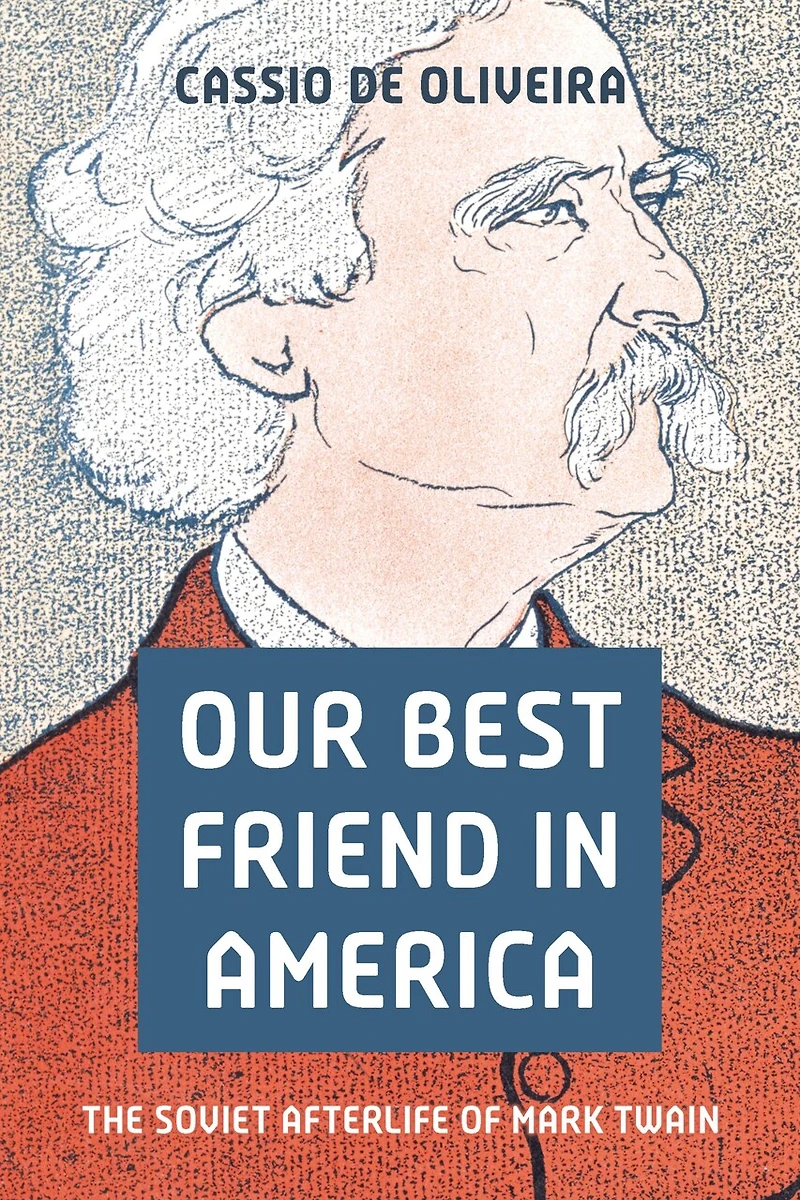
Our Best Friend in America: The Soviet Afterlife of Mark Twain in Grande Prairie, AB
Current price: $116.95
Coles
Our Best Friend in America: The Soviet Afterlife of Mark Twain in Grande Prairie, AB
Current price: $116.95
Loading Inventory...
Size: Hardcover
*Product information and pricing may vary - to confirm current pricing, availability, shipping, and return information please contact Coles. In the event of a pricing discrepancy, the retailer's price will apply.
In 1960, the popular Soviet magazine Krokodil dubbed Mark Twain the USSR’s “American Friend No. 1.” This surprised neither the Kremlin nor the magazine’s readers: Twain and especially his Mississippi novels, The Adventures of Tom Sawyer and The Adventures of Huckleberry Finn , were favorites throughout the Soviet period, with the first translations dating to before the Bolshevik Revolution and film adaptations continuing into the 1980s. This book asks why and how such a decidedly American writer came to occupy pride of place in a nation so emphatically opposed to American culture. How exactly did Twain become the Soviet Union’s “best friend in America”? How did that friendship change, and what did it mean, throughout the long and fickle decades of Soviet cultural policy and the Cold War? What emerges from this complex history is not just the story of a single author’s foreign fortunes but also the history of Soviet literature and culture as well as Soviet–American cultural interactions, which are revealed to have been more multifaceted and variable than might be assumed. Twain’s reception in the USSR also speaks to the largely hidden history of world literature in translation, even during decades of fraught geopolitical confrontation.
In 1960, the popular Soviet magazine Krokodil dubbed Mark Twain the USSR’s “American Friend No. 1.” This surprised neither the Kremlin nor the magazine’s readers: Twain and especially his Mississippi novels, The Adventures of Tom Sawyer and The Adventures of Huckleberry Finn , were favorites throughout the Soviet period, with the first translations dating to before the Bolshevik Revolution and film adaptations continuing into the 1980s. This book asks why and how such a decidedly American writer came to occupy pride of place in a nation so emphatically opposed to American culture. How exactly did Twain become the Soviet Union’s “best friend in America”? How did that friendship change, and what did it mean, throughout the long and fickle decades of Soviet cultural policy and the Cold War? What emerges from this complex history is not just the story of a single author’s foreign fortunes but also the history of Soviet literature and culture as well as Soviet–American cultural interactions, which are revealed to have been more multifaceted and variable than might be assumed. Twain’s reception in the USSR also speaks to the largely hidden history of world literature in translation, even during decades of fraught geopolitical confrontation.
You May Also Like












Find at Prairie Mall in Grande Prairie, AB
Visit at Prairie Mall in Grande Prairie, AB