


Gifting Made Simple
Give the Gift of ChoiceClick below to purchase a Prairie Mall eGift Card that can be used at participating retailers at Prairie Mall.Buy Gift CardHome
Others Japanese Agriculture: Koreans, Evacuees and Migrants 1920-1950
Coles
Loading Inventory...
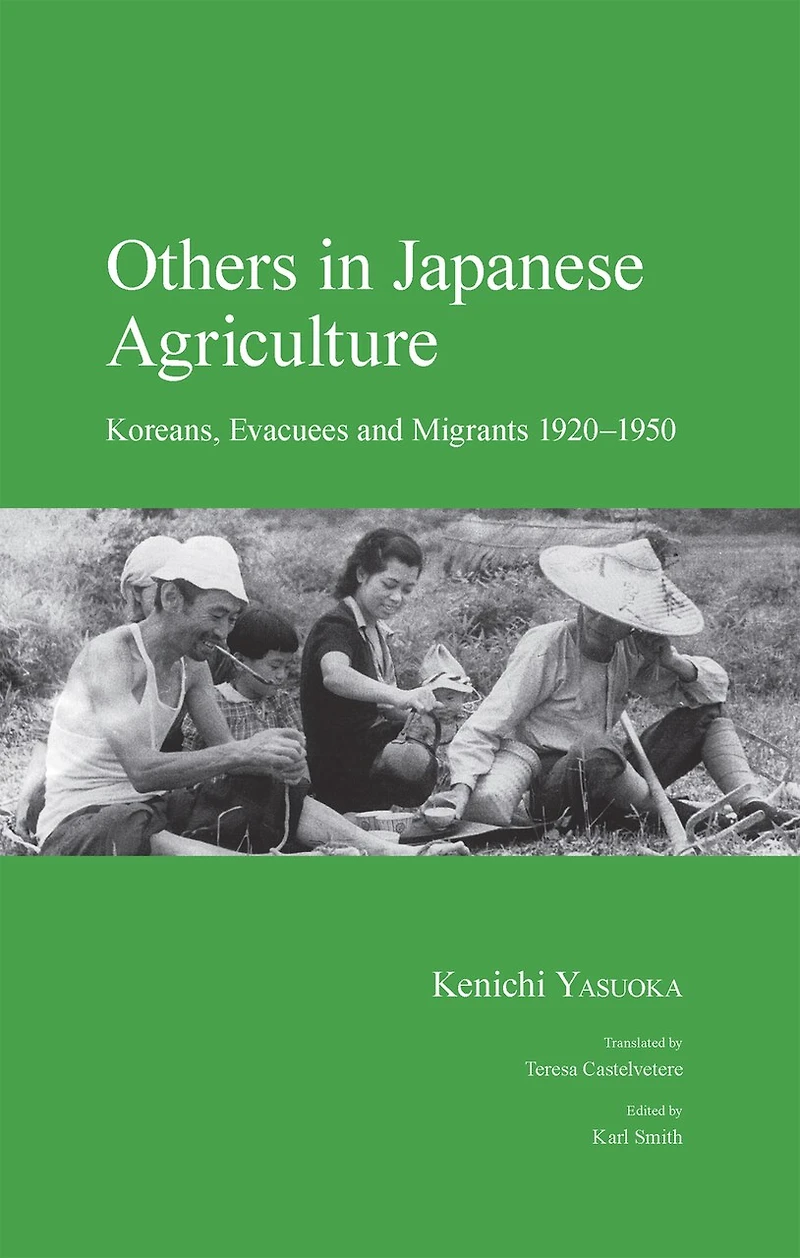
Others Japanese Agriculture: Koreans, Evacuees and Migrants 1920-1950 in Grande Prairie, AB
Current price: $115.00
Coles
Others Japanese Agriculture: Koreans, Evacuees and Migrants 1920-1950 in Grande Prairie, AB
Current price: $115.00
Loading Inventory...
Size: Hardcover
*Product information and pricing may vary - to confirm current pricing, availability, shipping, and return information please contact Coles. In the event of a pricing discrepancy, the retailer's price will apply.
Japan's national identity associates the 'Japanese people' with the Japanese land, making the farmer the backbone of the nation. Others in Japanese Agriculture challenges this mythology, revealing the changing faces of Japanese farmers during the colonial and post-war eras. First, it traces the tangled trail of Koreans brought into farming villages as a result of war mobilization and capitalist development. Second, it discusses the plight of those who evacuated from cities as they attempted to eke out a living on marginal land. Third, it points out that settlers repatriated from the colonies were met with hostility from villagers and indifference from authorities. Finally, it explores how those who were encouraged to emigrate for 'the good of the nation' in post-war Japan, found themselves victims of agrarian reforms, which severed their ties. In sum, despite being lauded as the 'backbone of the nation' Japanese farmers have been repeatedly marginalized and othered.
Japan's national identity associates the 'Japanese people' with the Japanese land, making the farmer the backbone of the nation. Others in Japanese Agriculture challenges this mythology, revealing the changing faces of Japanese farmers during the colonial and post-war eras. First, it traces the tangled trail of Koreans brought into farming villages as a result of war mobilization and capitalist development. Second, it discusses the plight of those who evacuated from cities as they attempted to eke out a living on marginal land. Third, it points out that settlers repatriated from the colonies were met with hostility from villagers and indifference from authorities. Finally, it explores how those who were encouraged to emigrate for 'the good of the nation' in post-war Japan, found themselves victims of agrarian reforms, which severed their ties. In sum, despite being lauded as the 'backbone of the nation' Japanese farmers have been repeatedly marginalized and othered.
You May Also Like














Find at Prairie Mall in Grande Prairie, AB
Visit at Prairie Mall in Grande Prairie, AB