


Gifting Made Simple
Give the Gift of ChoiceClick below to purchase a Prairie Mall eGift Card that can be used at participating retailers at Prairie Mall.Buy Gift CardHome
Original Sin: On the Genetics of Vice, Problem Blame, and Future Forgiveness
Coles
Loading Inventory...
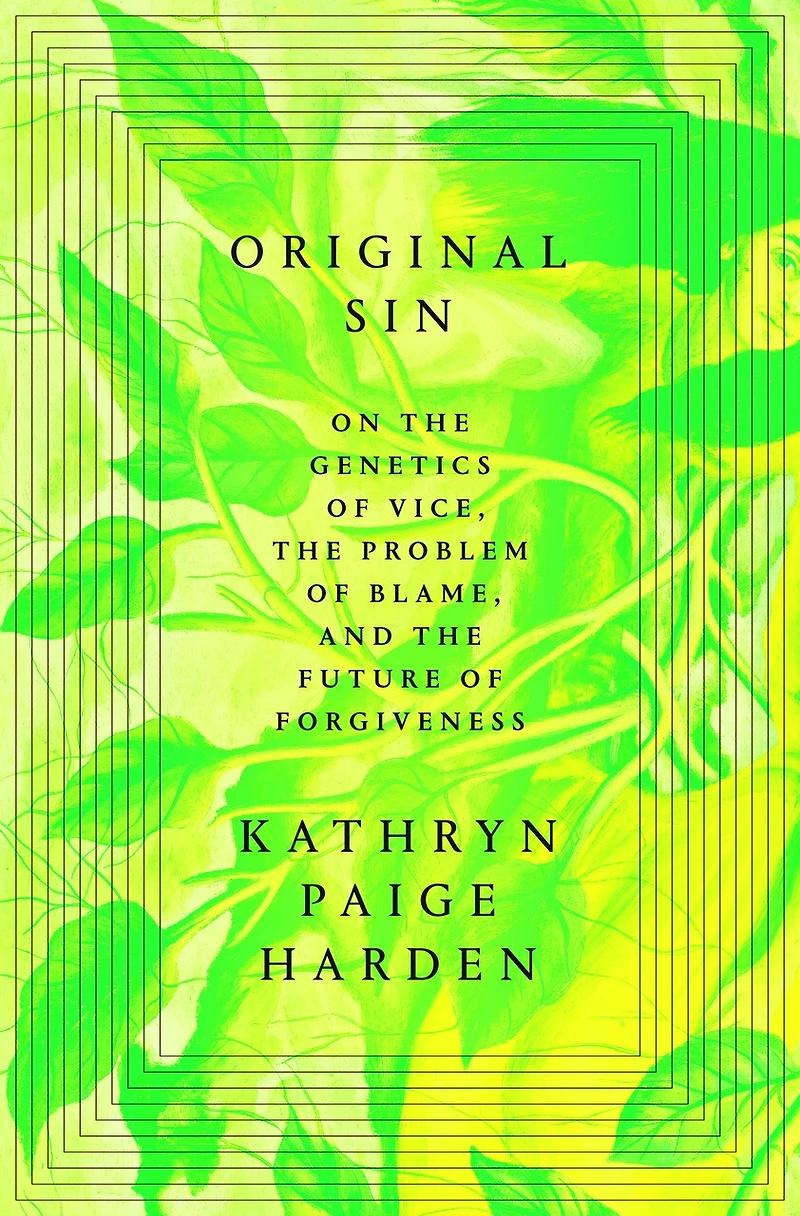

Original Sin: On the Genetics of Vice, Problem Blame, and Future Forgiveness in Grande Prairie, AB
Current price: $41.99
Coles
Original Sin: On the Genetics of Vice, Problem Blame, and Future Forgiveness in Grande Prairie, AB
Current price: $41.99
Loading Inventory...
Size: Hardcover
*Product information and pricing may vary - to confirm current pricing, availability, shipping, and return information please contact Coles. In the event of a pricing discrepancy, the retailer's price will apply.
A magnificent” ( Science ) exploration of how genetics complicates our ideas about blame, punishment, and moral responsibility, from acclaimed psychologist and author of The Genetic Lottery Kathryn Paige Harden.
“Not a dry, restrained, contained scientific inquiry but a daring, complex, sometimes confounding and ultimately powerful tapestry of a book.”— The New York Times Book Review
As one of the world’s leading scientists examining how our DNA shapes differences in temperament, temptation, and behavior, Kathryn Paige Harden has seen firsthand how we continue to struggle—in public and in our most private relationships—with the ancient tensions between nature and nurture, freedom and constraint, the desire to punish and the longing to forgive.
In Original Sin, she weaves together insights from her own experience as a daughter, mother, wife, and scientist with cutting-edge research in genetics and psychology to grapple with some of the most important questions in modern life: How do we take responsibility for the people we become, knowing how we are shaped by both biology and experience? How should we respond when people hurt each other—or themselves? And has science made guilt obsolete?
Navigating the psychological and biological terrain of addiction, antisocial behavior, and violence, Harden confronts the disorienting ways science unsettles our understanding of wrongdoing and choice. In doing so, she asks us not to absolve but to reckon differently with notions of fairness and blame. A revelatory inquiry into the uneasy space where human behavior meets inherited biology, Original Sin challenges us to imagine a more humane vision of accountability—for ourselves and for one another.
A magnificent” ( Science ) exploration of how genetics complicates our ideas about blame, punishment, and moral responsibility, from acclaimed psychologist and author of The Genetic Lottery Kathryn Paige Harden.
“Not a dry, restrained, contained scientific inquiry but a daring, complex, sometimes confounding and ultimately powerful tapestry of a book.”— The New York Times Book Review
As one of the world’s leading scientists examining how our DNA shapes differences in temperament, temptation, and behavior, Kathryn Paige Harden has seen firsthand how we continue to struggle—in public and in our most private relationships—with the ancient tensions between nature and nurture, freedom and constraint, the desire to punish and the longing to forgive.
In Original Sin, she weaves together insights from her own experience as a daughter, mother, wife, and scientist with cutting-edge research in genetics and psychology to grapple with some of the most important questions in modern life: How do we take responsibility for the people we become, knowing how we are shaped by both biology and experience? How should we respond when people hurt each other—or themselves? And has science made guilt obsolete?
Navigating the psychological and biological terrain of addiction, antisocial behavior, and violence, Harden confronts the disorienting ways science unsettles our understanding of wrongdoing and choice. In doing so, she asks us not to absolve but to reckon differently with notions of fairness and blame. A revelatory inquiry into the uneasy space where human behavior meets inherited biology, Original Sin challenges us to imagine a more humane vision of accountability—for ourselves and for one another.
You May Also Like

















Find at Prairie Mall in Grande Prairie, AB
Visit at Prairie Mall in Grande Prairie, AB