


Gifting Made Simple
Give the Gift of ChoiceClick below to purchase a Prairie Mall eGift Card that can be used at participating retailers at Prairie Mall.Buy Gift CardHome
Order and Rivalry: Rewriting the Rules of International Trade after First World War
Coles
Loading Inventory...
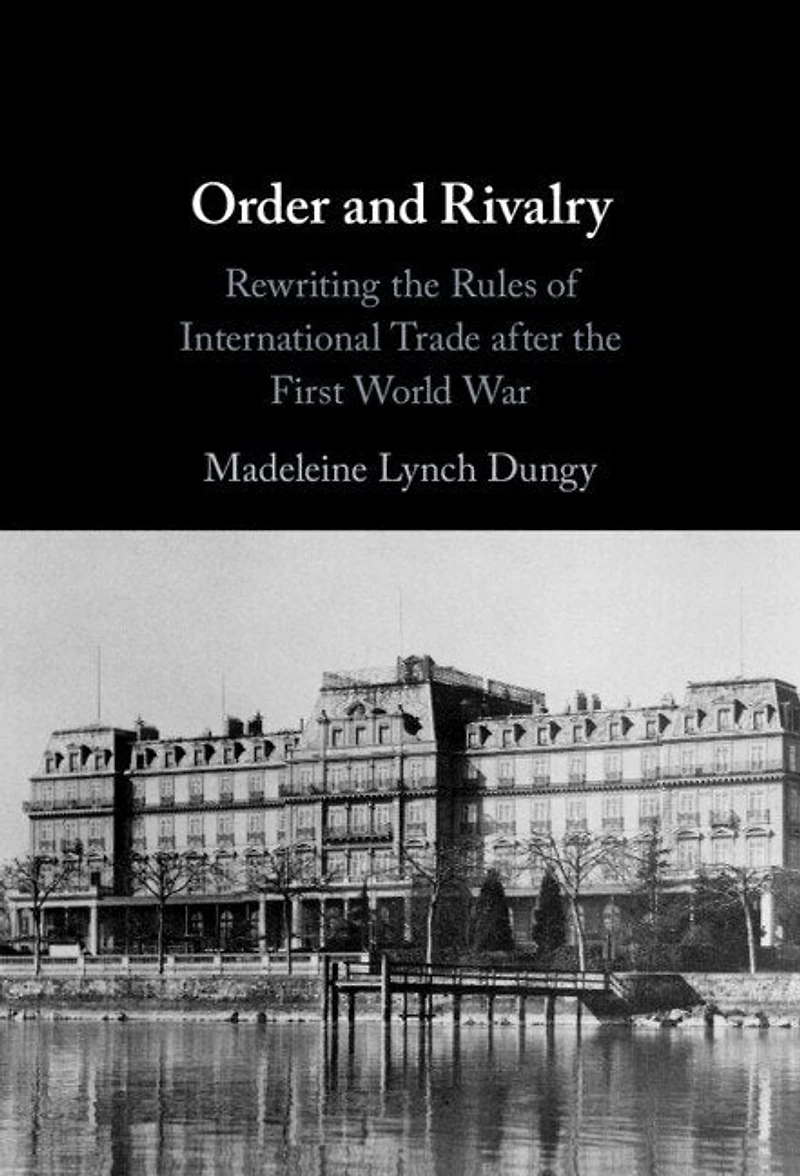
Order and Rivalry: Rewriting the Rules of International Trade after First World War in Grande Prairie, AB
Current price: $132.95
Coles
Order and Rivalry: Rewriting the Rules of International Trade after First World War in Grande Prairie, AB
Current price: $132.95
Loading Inventory...
Size: Hardcover
*Product information and pricing may vary - to confirm current pricing, availability, shipping, and return information please contact Coles. In the event of a pricing discrepancy, the retailer's price will apply.
The First World War transformed the legal and geopolitical framework for international trade by decentring Europe in global markets. Order and Rivalry traces the formation and development of multilateral trade structures in the aftermath of the First World War in response to the marginalization of Europe in the world economy, the use of private commerce as a tool of military power and the collapse of empires across Central and Eastern Europe. In this accessible study, Madeleine Lynch Dungy highlights the 1920s as a pivotal transition phase between the network of bilateral trade treaties that underpinned the first globalization of the late nineteenth century and the institutionalised regime of international governance after 1945. Focusing on the League of Nations, she shows that this institution's legacy was not to initiate a linear forward march towards today's World Trade Organization, but rather to frame an open-ended and conflictual process of experimentation that is still ongoing.
The First World War transformed the legal and geopolitical framework for international trade by decentring Europe in global markets. Order and Rivalry traces the formation and development of multilateral trade structures in the aftermath of the First World War in response to the marginalization of Europe in the world economy, the use of private commerce as a tool of military power and the collapse of empires across Central and Eastern Europe. In this accessible study, Madeleine Lynch Dungy highlights the 1920s as a pivotal transition phase between the network of bilateral trade treaties that underpinned the first globalization of the late nineteenth century and the institutionalised regime of international governance after 1945. Focusing on the League of Nations, she shows that this institution's legacy was not to initiate a linear forward march towards today's World Trade Organization, but rather to frame an open-ended and conflictual process of experimentation that is still ongoing.
You May Also Like










Find at Prairie Mall in Grande Prairie, AB
Visit at Prairie Mall in Grande Prairie, AB