


Gifting Made Simple
Give the Gift of ChoiceClick below to purchase a Prairie Mall eGift Card that can be used at participating retailers at Prairie Mall.Buy Gift CardHome
On the Way to a Grammar of Free Musical Speech: A Pentatonic Approach to Improvisation
Coles
Loading Inventory...
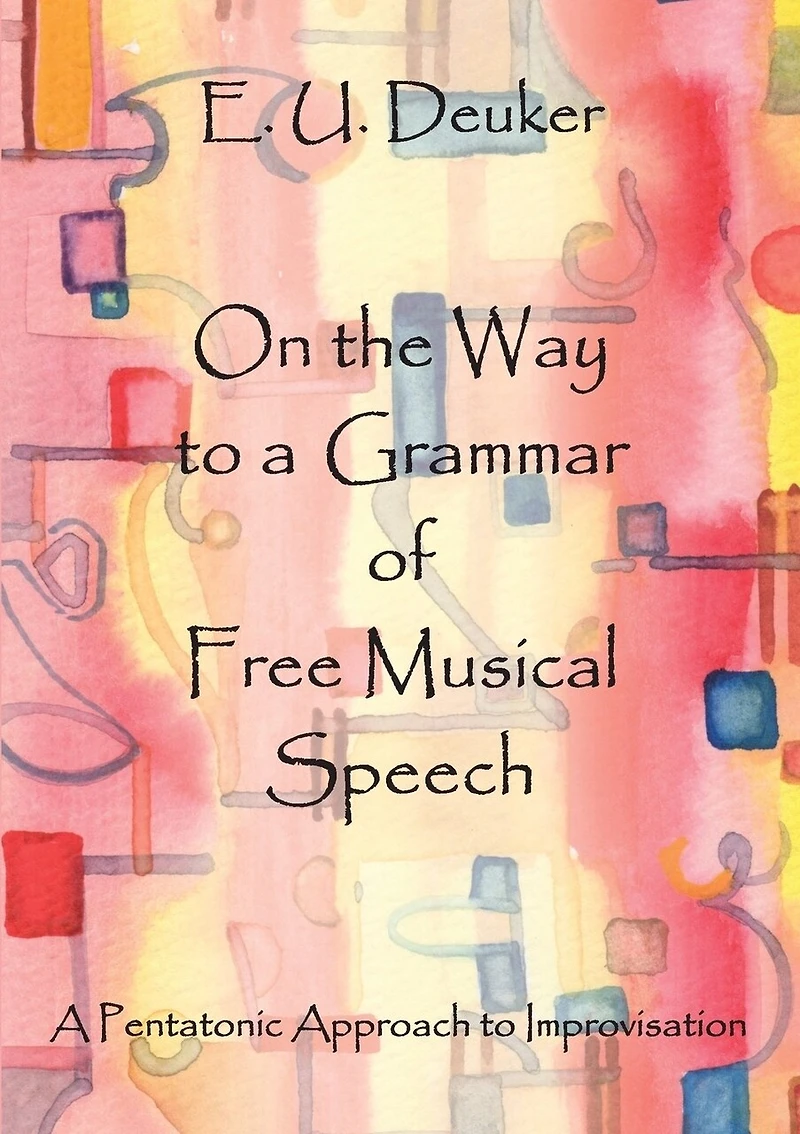
On the Way to a Grammar of Free Musical Speech: A Pentatonic Approach to Improvisation in Grande Prairie, AB
Current price: $26.95
Coles
On the Way to a Grammar of Free Musical Speech: A Pentatonic Approach to Improvisation in Grande Prairie, AB
Current price: $26.95
Loading Inventory...
Size: Paperback
*Product information and pricing may vary - to confirm current pricing, availability, shipping, and return information please contact Coles. In the event of a pricing discrepancy, the retailer's price will apply.
Music is a language. As a language it can be used to relate stories, called 'pieces of music'. In order to invent such a story, or, in other words, to create a piece of music, you should have some knowledge of the language's grammar. Most creative musicians, called 'composers', write their stories, or pieces of music, down on paper. Other musicians relate these stories by reading them from note sheets, simultaneously interpreting them with their instruments. They can do so without necessarily having any knowledge of the grammar that rules the language of music. Some creative musicians, called 'improvisers', relate their stories without reading them from note sheets, in a free, personal, spontaneous way. Surprisingly, they often do not seem to have much knowledge about the language's grammar either, or else do not seem to be able to use it in the same free, spontaneous way, which is apparently the reason why the vast majority of the listeners of music do not listen to them. This book has been written with the intention to contribute to changing this situation and to explore in greater depth the grammar that rules the language of music.
Music is a language. As a language it can be used to relate stories, called 'pieces of music'. In order to invent such a story, or, in other words, to create a piece of music, you should have some knowledge of the language's grammar. Most creative musicians, called 'composers', write their stories, or pieces of music, down on paper. Other musicians relate these stories by reading them from note sheets, simultaneously interpreting them with their instruments. They can do so without necessarily having any knowledge of the grammar that rules the language of music. Some creative musicians, called 'improvisers', relate their stories without reading them from note sheets, in a free, personal, spontaneous way. Surprisingly, they often do not seem to have much knowledge about the language's grammar either, or else do not seem to be able to use it in the same free, spontaneous way, which is apparently the reason why the vast majority of the listeners of music do not listen to them. This book has been written with the intention to contribute to changing this situation and to explore in greater depth the grammar that rules the language of music.
You May Also Like









Find at Prairie Mall in Grande Prairie, AB
Visit at Prairie Mall in Grande Prairie, AB