


Gifting Made Simple
Give the Gift of ChoiceClick below to purchase a Prairie Mall eGift Card that can be used at participating retailers at Prairie Mall.Buy Gift CardHome
on the Interpretation of Treaties: Modern International Law as Expressed 1969 Vienna Convention Treaties
Coles
Loading Inventory...
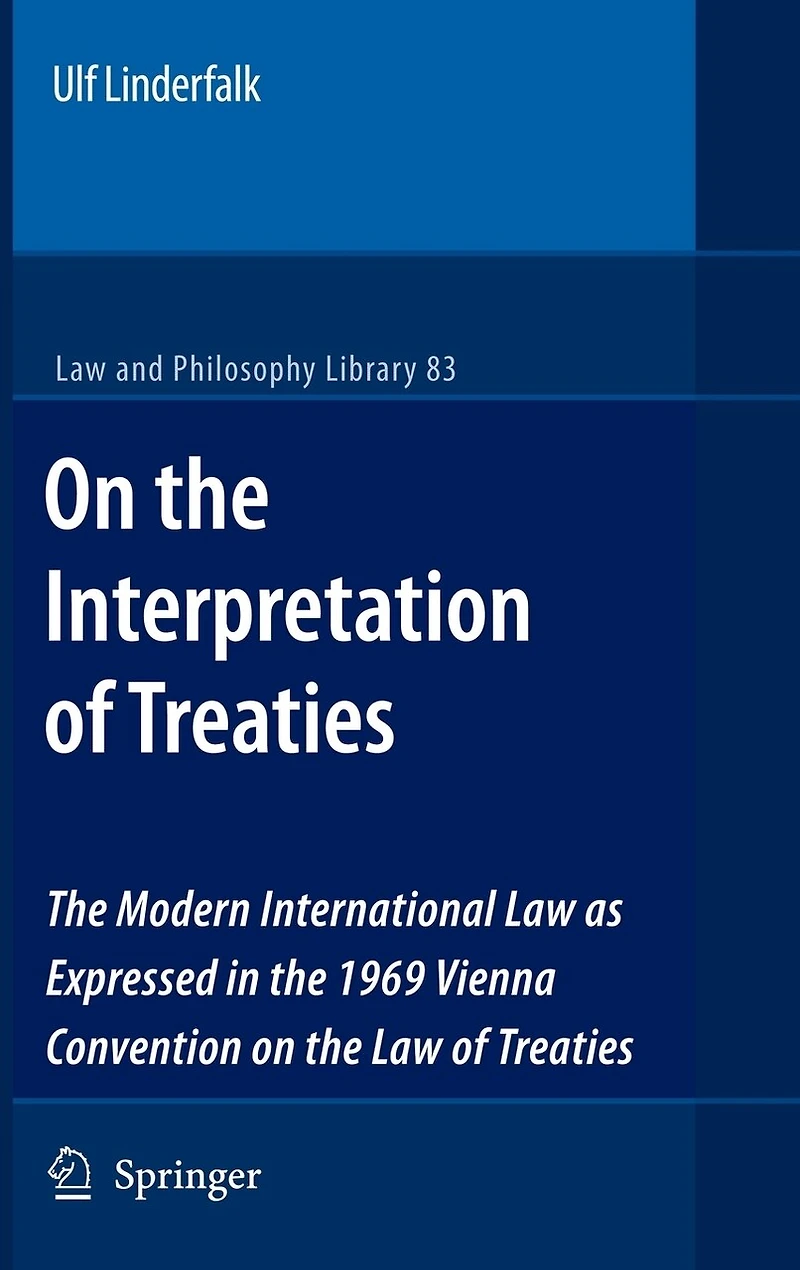
on the Interpretation of Treaties: Modern International Law as Expressed 1969 Vienna Convention Treaties in Grande Prairie, AB
Current price: $248.50
Coles
on the Interpretation of Treaties: Modern International Law as Expressed 1969 Vienna Convention Treaties in Grande Prairie, AB
Current price: $248.50
Loading Inventory...
Size: Hardcover
*Product information and pricing may vary - to confirm current pricing, availability, shipping, and return information please contact Coles. In the event of a pricing discrepancy, the retailer's price will apply.
1 PURPOSE AND TOPIC We live in the age of treaties. Increasingly, bilateral and multilateral written agreements are used for the creation of new international legal standards. For political reasons, states are decreasingly less willing to rely upon customary international law for the regulation of legal matters. New technology and growing international exchange have established the need for an ever more precise and flexible international law - a need not satisfactorily met by customary law. In many fields of activity, we can seriously question whether the creation of a rule of custom is at all possible. Considering also that the number of states capable of drafting and concluding treaties seems to be growing, it is not surprising that treaties are concluded far more frequently than ever before. In several ways this is a development that should be met with approval. By entering into written agreements, states avoid the difficulties inherent in customary international law. At the same time, the increasing number of treaties should also be causing concern. The more treaties that are concluded, the more treaties that will have to be applied; and the more treaties that are applied, the more often the question will arise: To what extent, and under what specific conditions, should such an application occur? Naturally, this includes the question of how treaties should be interpreted.
1 PURPOSE AND TOPIC We live in the age of treaties. Increasingly, bilateral and multilateral written agreements are used for the creation of new international legal standards. For political reasons, states are decreasingly less willing to rely upon customary international law for the regulation of legal matters. New technology and growing international exchange have established the need for an ever more precise and flexible international law - a need not satisfactorily met by customary law. In many fields of activity, we can seriously question whether the creation of a rule of custom is at all possible. Considering also that the number of states capable of drafting and concluding treaties seems to be growing, it is not surprising that treaties are concluded far more frequently than ever before. In several ways this is a development that should be met with approval. By entering into written agreements, states avoid the difficulties inherent in customary international law. At the same time, the increasing number of treaties should also be causing concern. The more treaties that are concluded, the more treaties that will have to be applied; and the more treaties that are applied, the more often the question will arise: To what extent, and under what specific conditions, should such an application occur? Naturally, this includes the question of how treaties should be interpreted.
You May Also Like








Find at Prairie Mall in Grande Prairie, AB
Visit at Prairie Mall in Grande Prairie, AB