


Gifting Made Simple
Give the Gift of ChoiceClick below to purchase a Prairie Mall eGift Card that can be used at participating retailers at Prairie Mall.Buy Gift CardHome
Of Little Comfort: War Widows, Fallen Soldiers, And The Remaking Nation After Great
Coles
Loading Inventory...
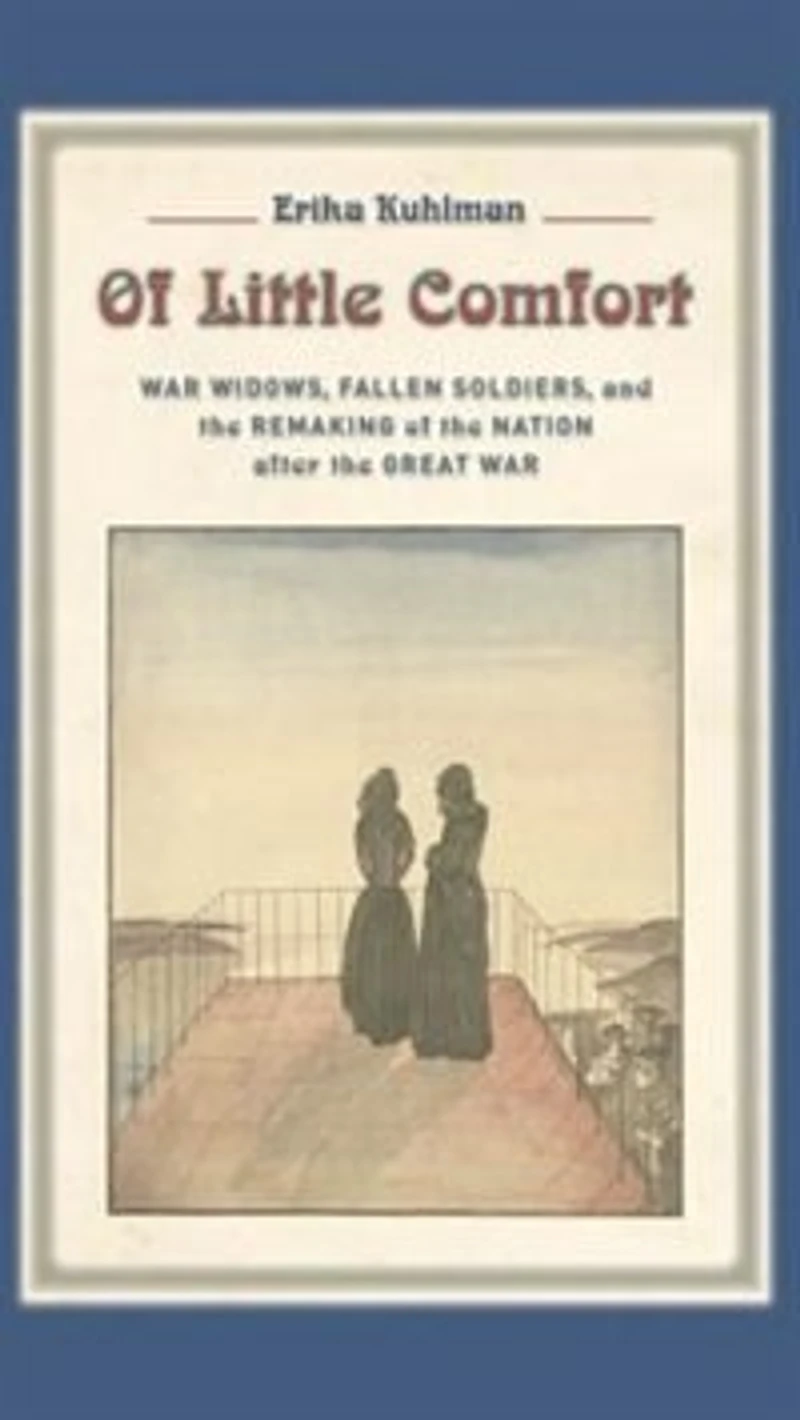
Of Little Comfort: War Widows, Fallen Soldiers, And The Remaking Nation After Great in Grande Prairie, AB
Current price: $86.03
Coles
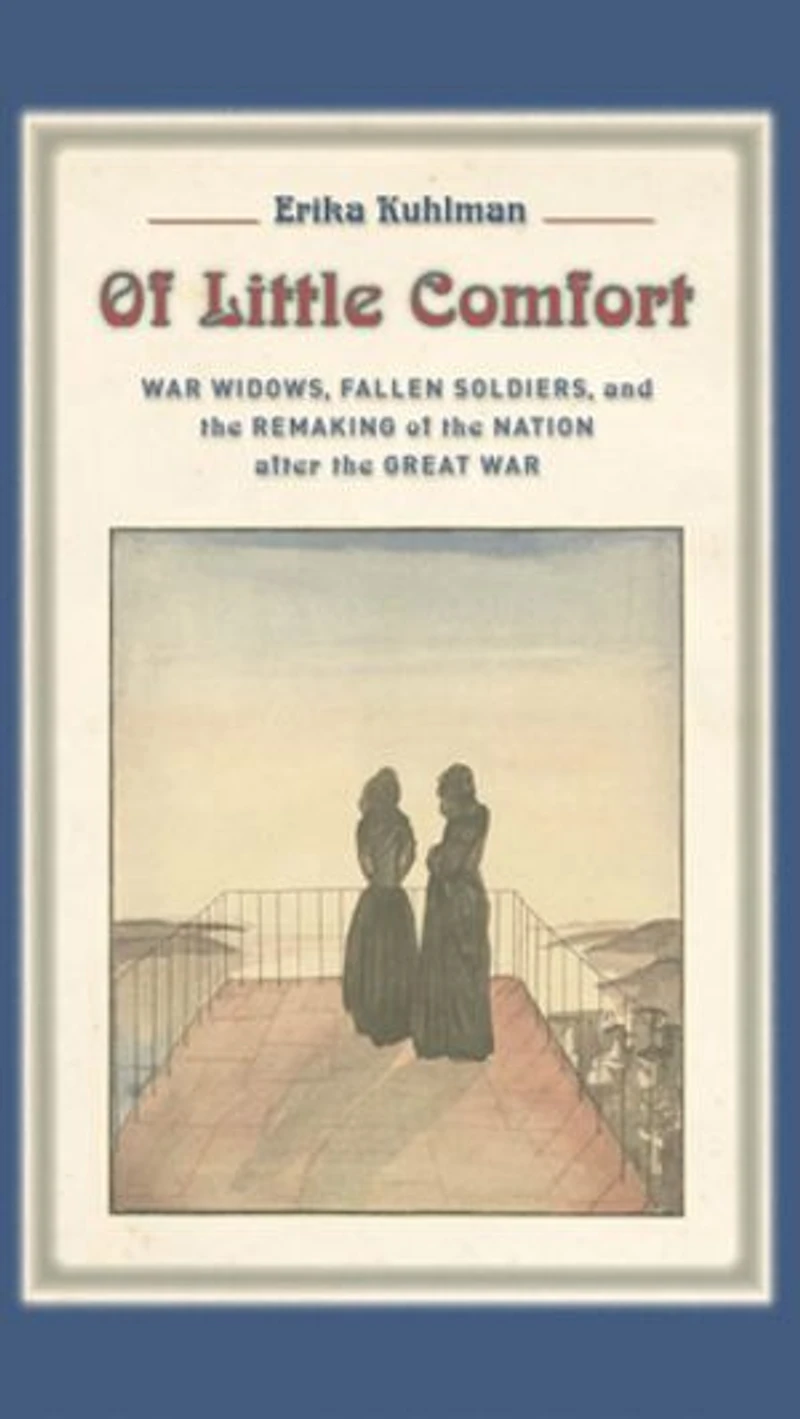
Of Little Comfort: War Widows, Fallen Soldiers, And The Remaking Nation After Great in Grande Prairie, AB
Current price: $86.03
Loading Inventory...
Size: Hardcover
*Product information and pricing may vary - to confirm current pricing, availability, shipping, and return information please contact Coles. In the event of a pricing discrepancy, the retailer's price will apply.
During and especially after World War I, the millions of black-clad widows on the streets of Europe’s cities were a constant reminder that war caused carnage on a vast scale. But widows were far more than just a reminder of the war’s fallen soldiers; they were literal and figurative actresses in how nations crafted their identities in the interwar era. In this extremely original study, Erika Kuhlman compares the ways in which German and American widows experienced their postwar status, and how that played into the cultures of mourning in their two nations: one defeated, the other victorious. Each nation used widows and war dead as symbols to either uphold their victory or disengage from their defeat, but Kuhlman, parsing both German and U.S. primary sources, compares widows’ lived experiences to public memory. For some widows, government compensation in the form of military-style awards sufficed. For others, their own deprivations, combined with those suffered by widows living in other nations, became the touchstone of a transnational awareness of the absurdity of war and the need to prevent it.
During and especially after World War I, the millions of black-clad widows on the streets of Europe’s cities were a constant reminder that war caused carnage on a vast scale. But widows were far more than just a reminder of the war’s fallen soldiers; they were literal and figurative actresses in how nations crafted their identities in the interwar era. In this extremely original study, Erika Kuhlman compares the ways in which German and American widows experienced their postwar status, and how that played into the cultures of mourning in their two nations: one defeated, the other victorious. Each nation used widows and war dead as symbols to either uphold their victory or disengage from their defeat, but Kuhlman, parsing both German and U.S. primary sources, compares widows’ lived experiences to public memory. For some widows, government compensation in the form of military-style awards sufficed. For others, their own deprivations, combined with those suffered by widows living in other nations, became the touchstone of a transnational awareness of the absurdity of war and the need to prevent it.
You May Also Like











Find at Prairie Mall in Grande Prairie, AB
Visit at Prairie Mall in Grande Prairie, AB