


Gifting Made Simple
Give the Gift of ChoiceClick below to purchase a Prairie Mall eGift Card that can be used at participating retailers at Prairie Mall.Buy Gift CardHome
Nuclear Waste Management, Power, and Energy Choices: Public Preferences, Perceptions, Trust
Coles
Loading Inventory...
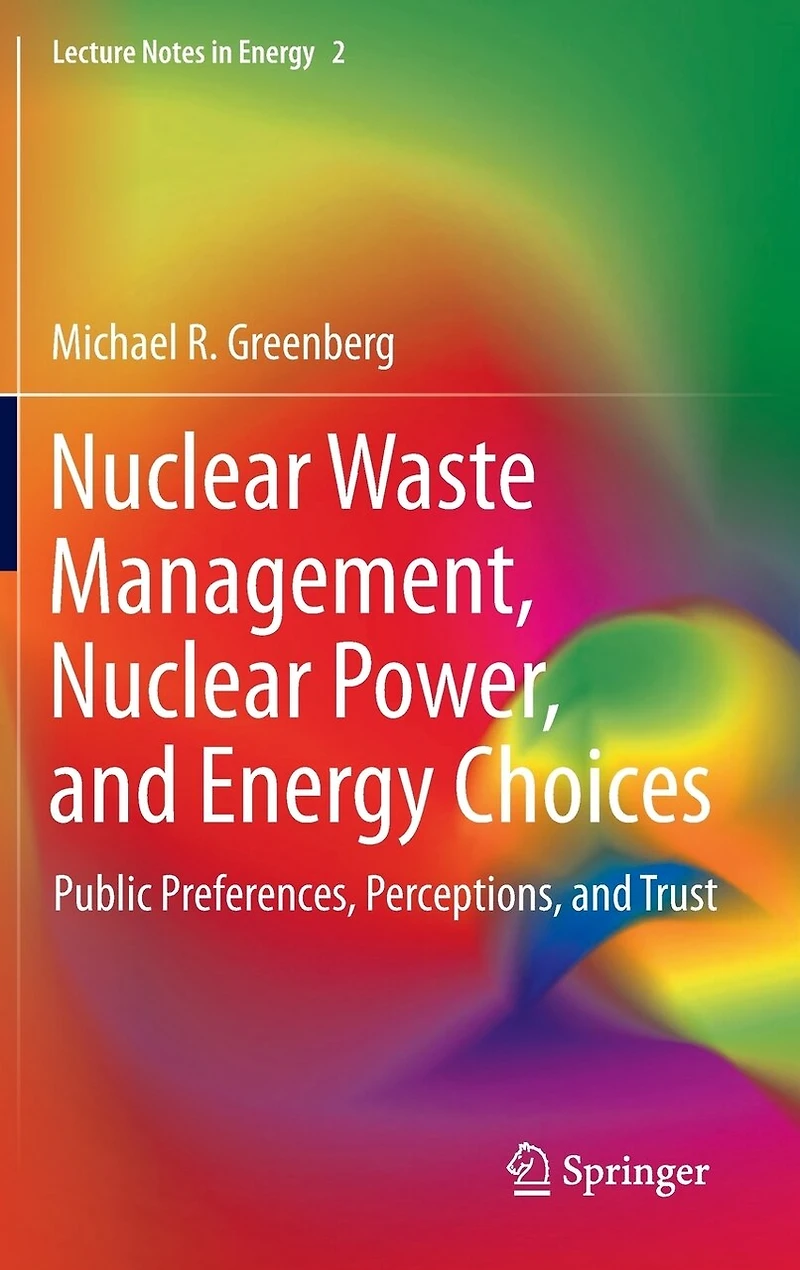
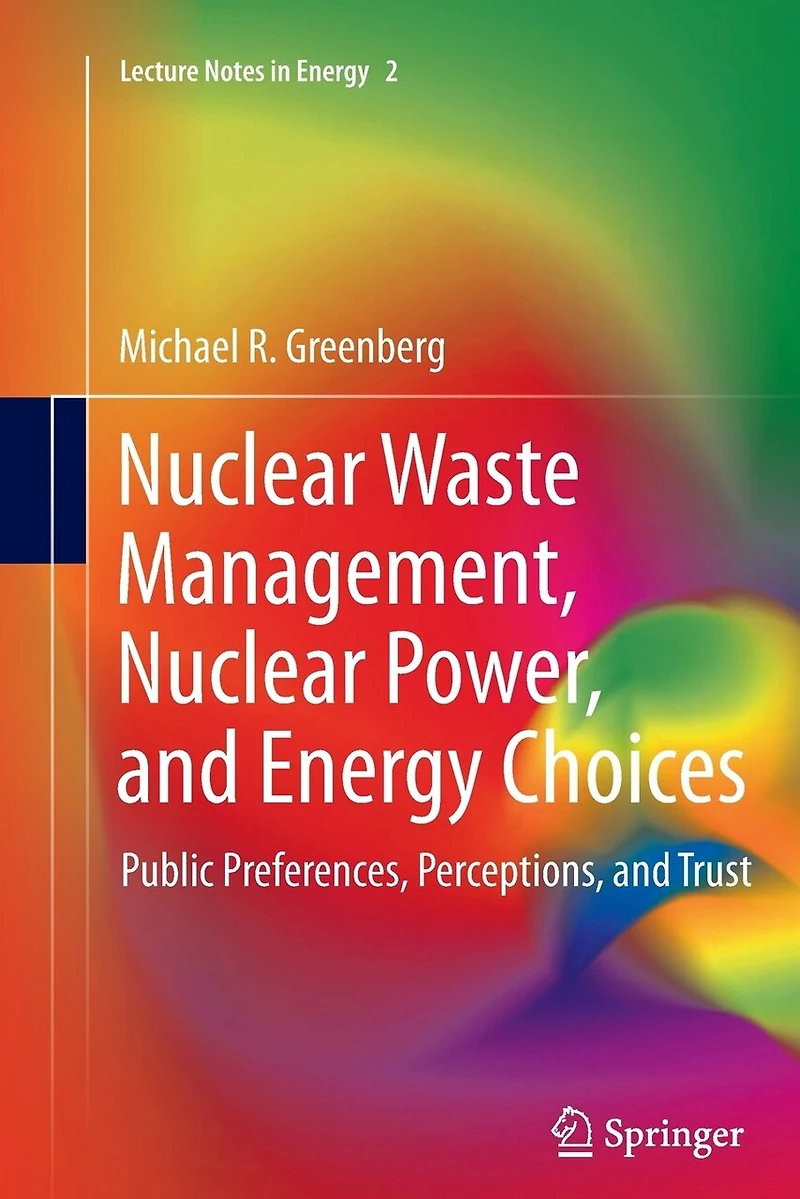
Nuclear Waste Management, Power, and Energy Choices: Public Preferences, Perceptions, Trust in Grande Prairie, AB
Current price: $160.95
Coles
Nuclear Waste Management, Power, and Energy Choices: Public Preferences, Perceptions, Trust in Grande Prairie, AB
Current price: $160.95
Loading Inventory...
Size: Hardcover
*Product information and pricing may vary - to confirm current pricing, availability, shipping, and return information please contact Coles. In the event of a pricing discrepancy, the retailer's price will apply.
Hundreds of studies have investigated public perceptions and preferences about nuclear power, waste management, and technology. However there is clear lack of uniformity in the style, aims and methods applied. Consequently, the body of results is inconsistent and it is difficult to isolate relevant patterns or interpretations. Nuclear Waste Management, Nuclear Power and Energy Choices: Public Preferences, Perceptions and Trust presents a theoretical base for public reactions then classifies and reviews the large body of surveys carried out over the past decade. Particular focus is placed on residents within 50 miles US nuclear waste facilities due to the disproportionate presence of nuclear factors in their lives such as the legacy of nuclear waste disposal and job dependency. The motivations and reasons for their views such as fear, attraction to the economic benefits, trust of site managers and federal agencies, cultural views, personal history, and demographic attributes of the people are also considered to provide a balanced and detailed overview. Nuclear Waste Management, Nuclear Power and Energy Choices: Public Preferences, Perceptions and Trust includes a comprehensive treatment of the theories and literature, and most important is grounded in surveys in 2005, 2008, 2009, 2010, and 2011 which includes questions considering the impact of Fukushima on US public opinion. By including real life data alongside the analysis, Nuclear Waste Management, Nuclear Power, and Energy Choices: Public Preferences, Perceptions and Trust provides a relevant and concise reference for nuclear industry professionals. It also acts a resource for students and researchers studying nuclear-related topics including political, social and environmental factors. Particular focus is placed on residents within 50 miles US nuclear waste facilities due to the disproportionate presence of nuclear factors in their lives such as the legacy of nuclear waste disposal and job dependency. The motivations and reasons for their views such as fear, attraction to the economic benefits, trust of site managers and federal agencies, cultural views, personal history, and demographic attributes of the people are also considered to provide a balanced and detailed overview. Nuclear Waste Management, Nuclear Power and Energy Choices: Public Preferences, Perceptions and Trust includes a comprehensive treatment of the theories and literature, and most important is grounded in surveys in 2005, 2008, 2009, 2010, and 2011 which includes questions considering the impact of Fukushima on US public opinion. By including real life data alongside the analysis, Nuclear Waste Management, Nuclear Power, and Energy Choices: Public Preferences, Perceptions and Trust provides a relevant and concise reference for nuclear industry professionals. It also acts a resource for students and researchers studying nuclear-related topics including political, social and environmental factors. Particular focus is placed on residents within 50 miles US nuclear waste facilities due to the disproportionate presence of nuclear factors in their lives such as the legacy of nuclear waste disposal and job dependency. The motivations and reasons for their views such as fear, attraction to the economic benefits, trust of site managers and federal agencies, cultural views, personal history, and demographic attributes of the people are also considered to provide a balanced and detailed overview. Nuclear Waste Management, Nuclear Power and Energy Choices: PublicPreferences, Perceptions and Trust includes a comprehensive treatment of the theories and literature, and most important is grounded in surveys in 2005, 2008, 2009, 2010, and 2011 which includes questions considering the impact of Fukushima on US public opinion. By including real life data alongside the analysis, Nuclear Waste Management, Nuclear Power, and Energy Choices: Public Preferences, Perceptions and Trust provides a relevant and concise reference for nuclear industry professionals. It also acts a resource for students and researchers studying nuclear-related topics including political, social and environmental factors. By including real life data alongside the analysis, Nuclear Waste Management, Nuclear Power, and Energy Choices: Public Preferences, Perceptions and Trust provides a relevant and concise reference for nuclear industry professionals. It also acts a resource for students and researchers studying nuclear-related topics including political, social and environmental factors. By including real life data alongside the analysis, Nuclear Waste Management, Nuclear Power, and Energy Choices: Public Preferences, Perceptions and Trust provides a relevant and concise reference for nuclear industry professionals. It also acts a resource for students and researchers studying nuclear-related topics including political, social and environmental factors.
Hundreds of studies have investigated public perceptions and preferences about nuclear power, waste management, and technology. However there is clear lack of uniformity in the style, aims and methods applied. Consequently, the body of results is inconsistent and it is difficult to isolate relevant patterns or interpretations. Nuclear Waste Management, Nuclear Power and Energy Choices: Public Preferences, Perceptions and Trust presents a theoretical base for public reactions then classifies and reviews the large body of surveys carried out over the past decade. Particular focus is placed on residents within 50 miles US nuclear waste facilities due to the disproportionate presence of nuclear factors in their lives such as the legacy of nuclear waste disposal and job dependency. The motivations and reasons for their views such as fear, attraction to the economic benefits, trust of site managers and federal agencies, cultural views, personal history, and demographic attributes of the people are also considered to provide a balanced and detailed overview. Nuclear Waste Management, Nuclear Power and Energy Choices: Public Preferences, Perceptions and Trust includes a comprehensive treatment of the theories and literature, and most important is grounded in surveys in 2005, 2008, 2009, 2010, and 2011 which includes questions considering the impact of Fukushima on US public opinion. By including real life data alongside the analysis, Nuclear Waste Management, Nuclear Power, and Energy Choices: Public Preferences, Perceptions and Trust provides a relevant and concise reference for nuclear industry professionals. It also acts a resource for students and researchers studying nuclear-related topics including political, social and environmental factors. Particular focus is placed on residents within 50 miles US nuclear waste facilities due to the disproportionate presence of nuclear factors in their lives such as the legacy of nuclear waste disposal and job dependency. The motivations and reasons for their views such as fear, attraction to the economic benefits, trust of site managers and federal agencies, cultural views, personal history, and demographic attributes of the people are also considered to provide a balanced and detailed overview. Nuclear Waste Management, Nuclear Power and Energy Choices: Public Preferences, Perceptions and Trust includes a comprehensive treatment of the theories and literature, and most important is grounded in surveys in 2005, 2008, 2009, 2010, and 2011 which includes questions considering the impact of Fukushima on US public opinion. By including real life data alongside the analysis, Nuclear Waste Management, Nuclear Power, and Energy Choices: Public Preferences, Perceptions and Trust provides a relevant and concise reference for nuclear industry professionals. It also acts a resource for students and researchers studying nuclear-related topics including political, social and environmental factors. Particular focus is placed on residents within 50 miles US nuclear waste facilities due to the disproportionate presence of nuclear factors in their lives such as the legacy of nuclear waste disposal and job dependency. The motivations and reasons for their views such as fear, attraction to the economic benefits, trust of site managers and federal agencies, cultural views, personal history, and demographic attributes of the people are also considered to provide a balanced and detailed overview. Nuclear Waste Management, Nuclear Power and Energy Choices: PublicPreferences, Perceptions and Trust includes a comprehensive treatment of the theories and literature, and most important is grounded in surveys in 2005, 2008, 2009, 2010, and 2011 which includes questions considering the impact of Fukushima on US public opinion. By including real life data alongside the analysis, Nuclear Waste Management, Nuclear Power, and Energy Choices: Public Preferences, Perceptions and Trust provides a relevant and concise reference for nuclear industry professionals. It also acts a resource for students and researchers studying nuclear-related topics including political, social and environmental factors. By including real life data alongside the analysis, Nuclear Waste Management, Nuclear Power, and Energy Choices: Public Preferences, Perceptions and Trust provides a relevant and concise reference for nuclear industry professionals. It also acts a resource for students and researchers studying nuclear-related topics including political, social and environmental factors. By including real life data alongside the analysis, Nuclear Waste Management, Nuclear Power, and Energy Choices: Public Preferences, Perceptions and Trust provides a relevant and concise reference for nuclear industry professionals. It also acts a resource for students and researchers studying nuclear-related topics including political, social and environmental factors.
You May Also Like










Find at Prairie Mall in Grande Prairie, AB
Visit at Prairie Mall in Grande Prairie, AB