


Gifting Made Simple
Give the Gift of ChoiceClick below to purchase a Prairie Mall eGift Card that can be used at participating retailers at Prairie Mall.Buy Gift CardHome
Novatian's Theology of the Father and Son: A Study Ontological Subordinationism
Coles
Loading Inventory...
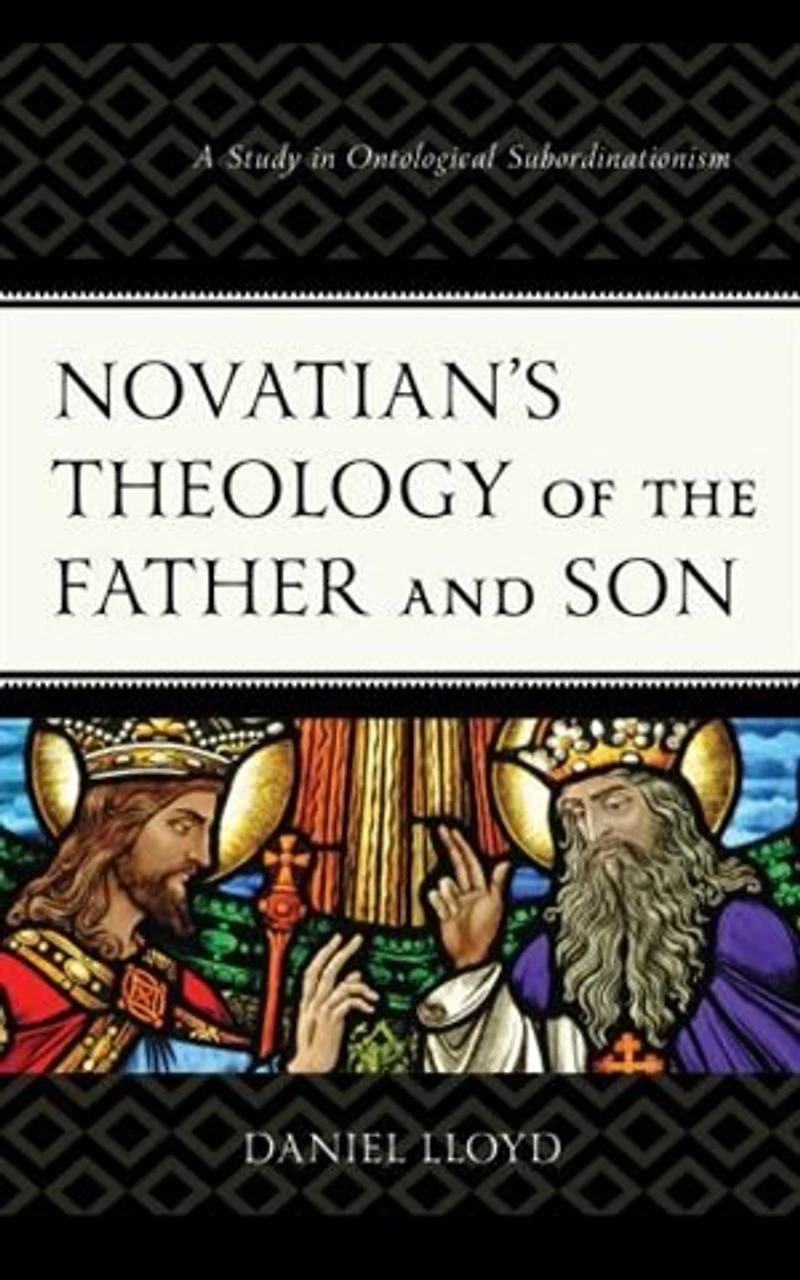
Novatian's Theology of the Father and Son: A Study Ontological Subordinationism
By None
Current price: $189.95
Coles
Novatian's Theology of the Father and Son: A Study Ontological Subordinationism
By None
Current price: $189.95
Loading Inventory...
Size: Hardcover
*Product information and pricing may vary - to confirm current pricing, availability, shipping, and return information please contact Coles. In the event of a pricing discrepancy, the retailer's price will apply.
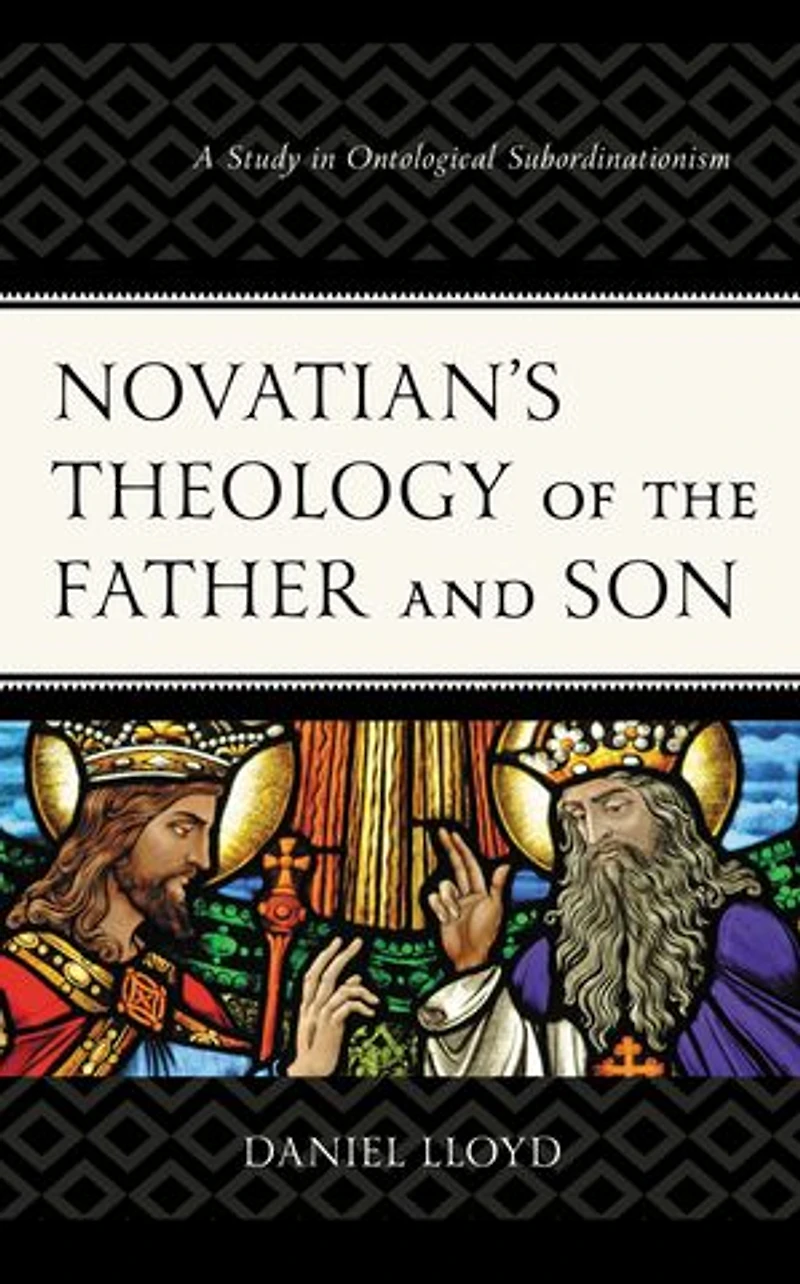
Early Christian theologian Novatian's (c. 200-258) work begins with the topic of the unique and supreme Father. The categories he uses to describe the Father include both traditions from Christian sources and articulations of negative theology, especially as seen in Middle Platonism. After establishing the limitations set by philosophical and theological language, Daniel Lloyd turns to the positive categories Novatian chooses for describing the Father, highlighting Novatian's emphasis on revelation, evaluating the parameters of the uniqueness of the Father, and showing that his theology presents the Father as distinct in attributes such as incomprehensibility, eternality, and inability to change. Having presented Novatian's theology of the Father as the center point of his thought, Lloyd next assesses Novatian's theology of the Son, showing that his categories and terminology, even to the point of calling the Son "God," do not function against his theology of the unique Father. Novatian has many resources for speaking about the Son's divinity in a way that does not contradict his theology of the Father. Lloyd presents and analyzes these resources to demonstrate that the Son's status as ontologically subordinate to the Father is the best reading of De Trinitate.
Early Christian theologian Novatian's (c. 200-258) work begins with the topic of the unique and supreme Father. The categories he uses to describe the Father include both traditions from Christian sources and articulations of negative theology, especially as seen in Middle Platonism. After establishing the limitations set by philosophical and theological language, Daniel Lloyd turns to the positive categories Novatian chooses for describing the Father, highlighting Novatian's emphasis on revelation, evaluating the parameters of the uniqueness of the Father, and showing that his theology presents the Father as distinct in attributes such as incomprehensibility, eternality, and inability to change. Having presented Novatian's theology of the Father as the center point of his thought, Lloyd next assesses Novatian's theology of the Son, showing that his categories and terminology, even to the point of calling the Son "God," do not function against his theology of the unique Father. Novatian has many resources for speaking about the Son's divinity in a way that does not contradict his theology of the Father. Lloyd presents and analyzes these resources to demonstrate that the Son's status as ontologically subordinate to the Father is the best reading of De Trinitate.
You May Also Like













More About Coles at Prairie Mall
11801 100 St #104, Grande Prairie, AB T8V 3Y2, Canada
Find Coles at Prairie Mall in Grande Prairie, AB
Visit Coles at Prairie Mall in Grande Prairie, AB