


Gifting Made Simple
Give the Gift of ChoiceClick below to purchase a Prairie Mall eGift Card that can be used at participating retailers at Prairie Mall.Buy Gift CardHome
Non-Wood Forest Products of Asia: Knowledge, Conservation and Livelihood
Coles
Loading Inventory...
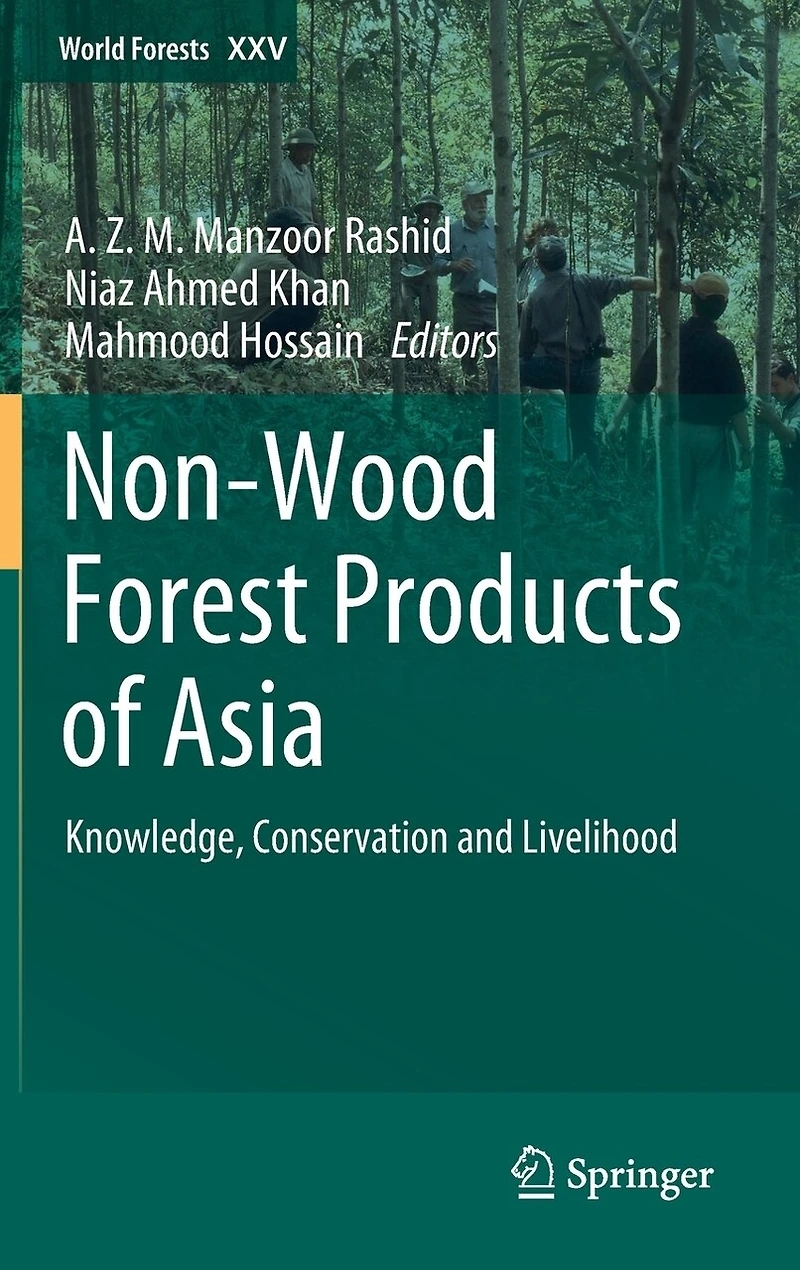
Non-Wood Forest Products of Asia: Knowledge, Conservation and Livelihood in Grande Prairie, AB
Current price: $291.95
Coles
Non-Wood Forest Products of Asia: Knowledge, Conservation and Livelihood in Grande Prairie, AB
Current price: $291.95
Loading Inventory...
Size: Hardcover
*Product information and pricing may vary - to confirm current pricing, availability, shipping, and return information please contact Coles. In the event of a pricing discrepancy, the retailer's price will apply.
This book highlights the importance of non-wood forest products (NWFPs) and their crucial role in sustaining the livelihood of rural and indigenous communities in Asia. The authors depict how the preservation of forests and the associated major non-wood resources may provide an important avenue to reduce poverty. The local practices and knowledge on harvesting NWFPs are often rooted in tradition, and vary from one region to the other. This made it difficult to develop and establish research focus on a greater scale in the past. Readers of this volume will gain an often-missed, broader perspective from these new studies. The authors put a special emphasis on the nexus between conservation and livelihood from an Asian point of view. This addresses a knowledge gap in the current literature and offers important clues on conducting similar research around the world. The volume provides a useful reference guide for the relevant researchers, practitioners and policy makers.
This book highlights the importance of non-wood forest products (NWFPs) and their crucial role in sustaining the livelihood of rural and indigenous communities in Asia. The authors depict how the preservation of forests and the associated major non-wood resources may provide an important avenue to reduce poverty. The local practices and knowledge on harvesting NWFPs are often rooted in tradition, and vary from one region to the other. This made it difficult to develop and establish research focus on a greater scale in the past. Readers of this volume will gain an often-missed, broader perspective from these new studies. The authors put a special emphasis on the nexus between conservation and livelihood from an Asian point of view. This addresses a knowledge gap in the current literature and offers important clues on conducting similar research around the world. The volume provides a useful reference guide for the relevant researchers, practitioners and policy makers.
You May Also Like









Find at Prairie Mall in Grande Prairie, AB
Visit at Prairie Mall in Grande Prairie, AB