


Gifting Made Simple
Give the Gift of ChoiceClick below to purchase a Prairie Mall eGift Card that can be used at participating retailers at Prairie Mall.Buy Gift CardHome
No Sympathy for the Devil: Christian Pop Music and Transformation of American Evangelicalism
Coles
Loading Inventory...

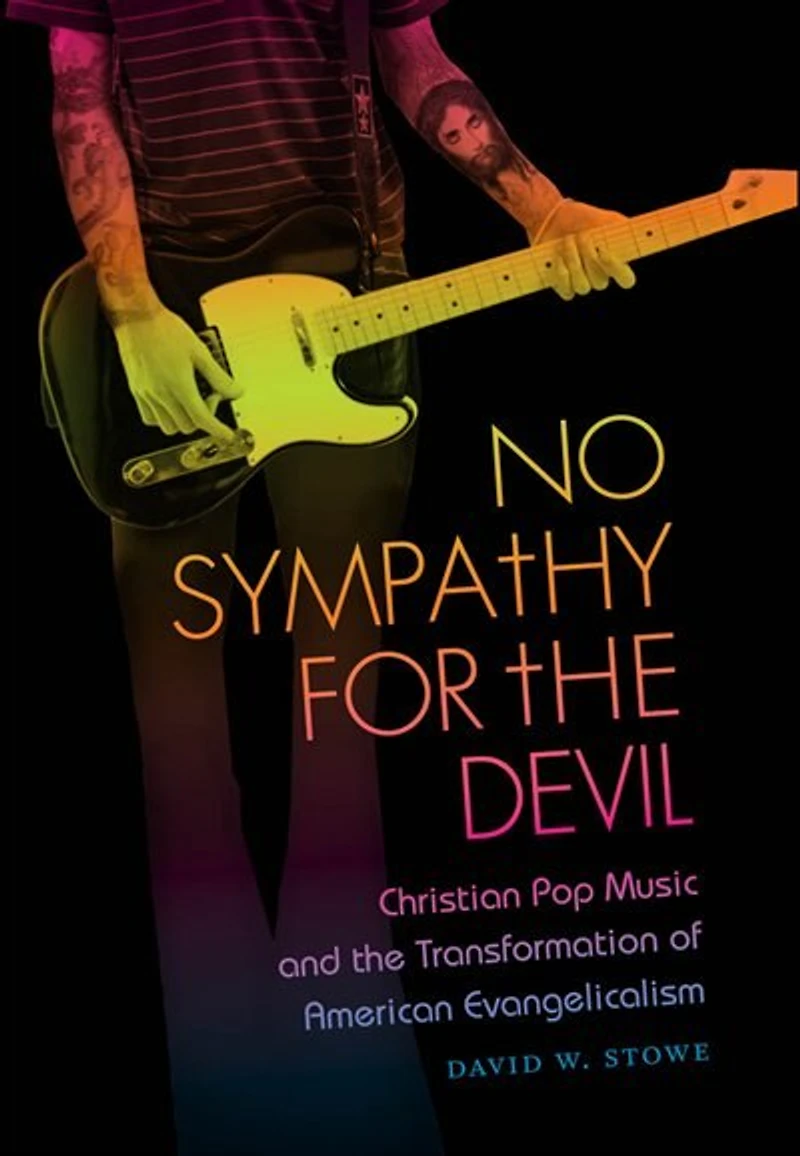
No Sympathy for the Devil: Christian Pop Music and Transformation of American Evangelicalism
By None
Current price: $27.99
Original price: $33.92
Coles
No Sympathy for the Devil: Christian Pop Music and Transformation of American Evangelicalism
By None
Current price: $27.99
Original price: $33.92
Loading Inventory...
Size: Kobo eBook
*Product information and pricing may vary - to confirm current pricing, availability, shipping, and return information please contact Coles. In the event of a pricing discrepancy, the retailer's price will apply.
In this cultural history of evangelical Christianity and popular music, David Stowe demonstrates how mainstream rock of the 1960s and 1970s has influenced conservative evangelical Christianity through the development of Christian pop music. The chart-topping, spiritually inflected music created a space in popular culture for talk of Jesus, God, and Christianity, thus lessening for baby boomers and their children the stigma associated with religion while helping to fill churches and create new modes of worship. Stowe shows how evangelicals' increasing acceptance of Christian pop music ultimately has reinforced a variety of conservative cultural, economic, theological, and political messages.
In this cultural history of evangelical Christianity and popular music, David Stowe demonstrates how mainstream rock of the 1960s and 1970s has influenced conservative evangelical Christianity through the development of Christian pop music. The chart-topping, spiritually inflected music created a space in popular culture for talk of Jesus, God, and Christianity, thus lessening for baby boomers and their children the stigma associated with religion while helping to fill churches and create new modes of worship. Stowe shows how evangelicals' increasing acceptance of Christian pop music ultimately has reinforced a variety of conservative cultural, economic, theological, and political messages.
You May Also Like
















More About Coles at Prairie Mall
11801 100 St #104, Grande Prairie, AB T8V 3Y2, Canada
Find Coles at Prairie Mall in Grande Prairie, AB
Visit Coles at Prairie Mall in Grande Prairie, AB