


Gifting Made Simple
Give the Gift of ChoiceClick below to purchase a Prairie Mall eGift Card that can be used at participating retailers at Prairie Mall.Buy Gift CardHome
New Taiwanese Cinema Focus: Moving Within and Beyond the Frame
Coles
Loading Inventory...
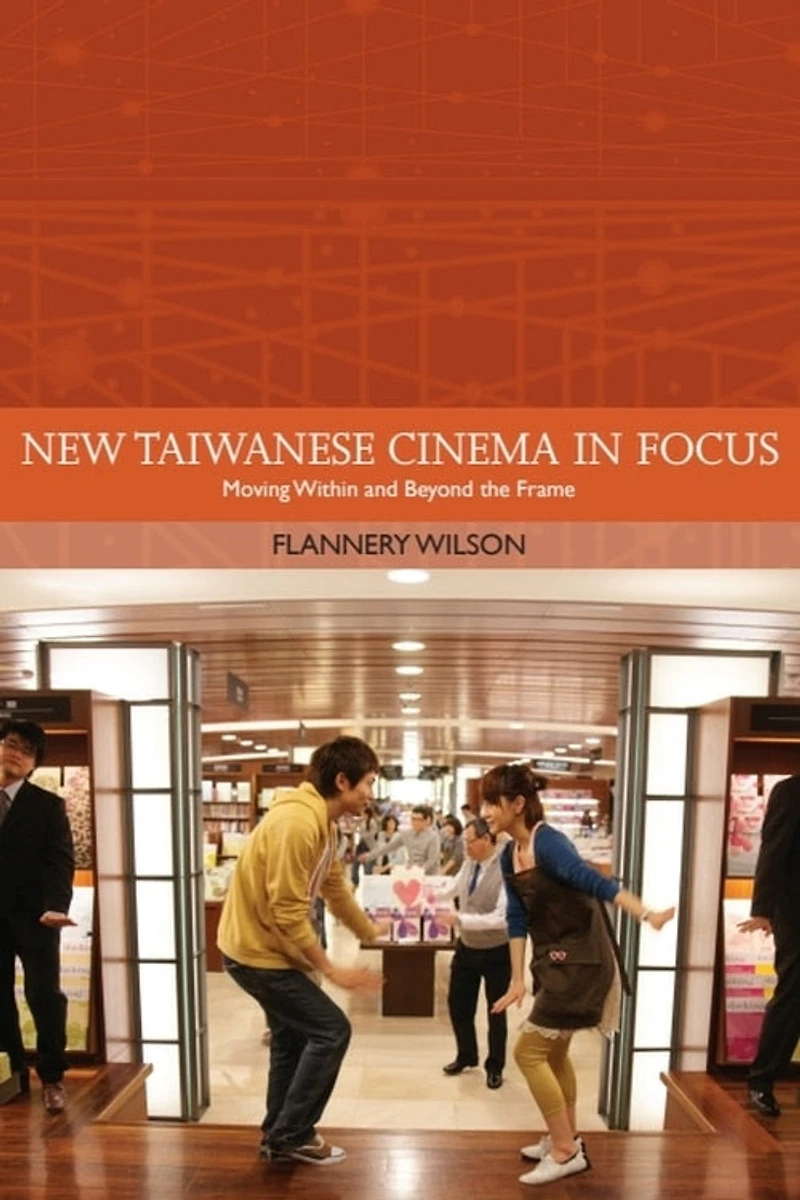
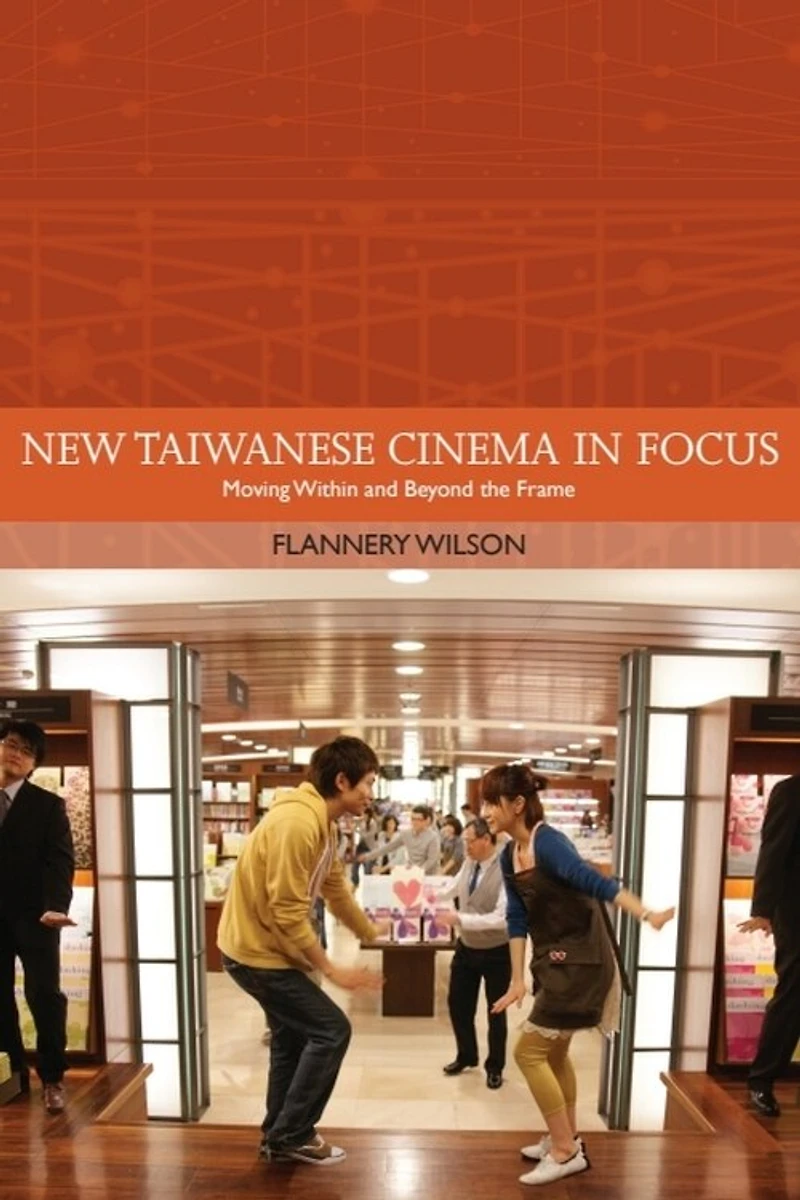
New Taiwanese Cinema Focus: Moving Within and Beyond the Frame in Grande Prairie, AB
Current price: $155.99
Coles
New Taiwanese Cinema Focus: Moving Within and Beyond the Frame in Grande Prairie, AB
Current price: $155.99
Loading Inventory...
Size: Hardcover
*Product information and pricing may vary - to confirm current pricing, availability, shipping, and return information please contact Coles. In the event of a pricing discrepancy, the retailer's price will apply.
In the Taiwanese film industry, the dichotomy between ‘art-house’ and commercially viable films is heavily emphasized. However, since the democratization of the political landscape in Taiwan, Taiwanese cinema has become internationally fluid. As the case studies in this book demonstrate, filmmakers such as Hou Hsiao-hsien, Edward Yang, Tsai Ming-liang, and Ang Lee each engage with international audience expectations. New Taiwanese Cinema in Focus therefore presents the Taiwanese New Wave and Second Wave movements with an emphasis on intertextuality, citation and trans-cultural dialogue. Wilson argues that the cinema of Taiwan since the 1980s should be read emblematically; that is, as a representation of the greater paradox that exists in national and transnational cinema studies. She argues that these unlikely relationships create the need for a new way of thinking about ‘transnationalism’ altogether, making this an essential read for advanced students and scholars in both Film Studies and Asian Studies.
In the Taiwanese film industry, the dichotomy between ‘art-house’ and commercially viable films is heavily emphasized. However, since the democratization of the political landscape in Taiwan, Taiwanese cinema has become internationally fluid. As the case studies in this book demonstrate, filmmakers such as Hou Hsiao-hsien, Edward Yang, Tsai Ming-liang, and Ang Lee each engage with international audience expectations. New Taiwanese Cinema in Focus therefore presents the Taiwanese New Wave and Second Wave movements with an emphasis on intertextuality, citation and trans-cultural dialogue. Wilson argues that the cinema of Taiwan since the 1980s should be read emblematically; that is, as a representation of the greater paradox that exists in national and transnational cinema studies. She argues that these unlikely relationships create the need for a new way of thinking about ‘transnationalism’ altogether, making this an essential read for advanced students and scholars in both Film Studies and Asian Studies.
You May Also Like













Find at Prairie Mall in Grande Prairie, AB
Visit at Prairie Mall in Grande Prairie, AB