


Gifting Made Simple
Give the Gift of ChoiceClick below to purchase a Prairie Mall eGift Card that can be used at participating retailers at Prairie Mall.Buy Gift CardHome
Neurotransmitter: Related Molecular Modeling Studies
Coles
Loading Inventory...
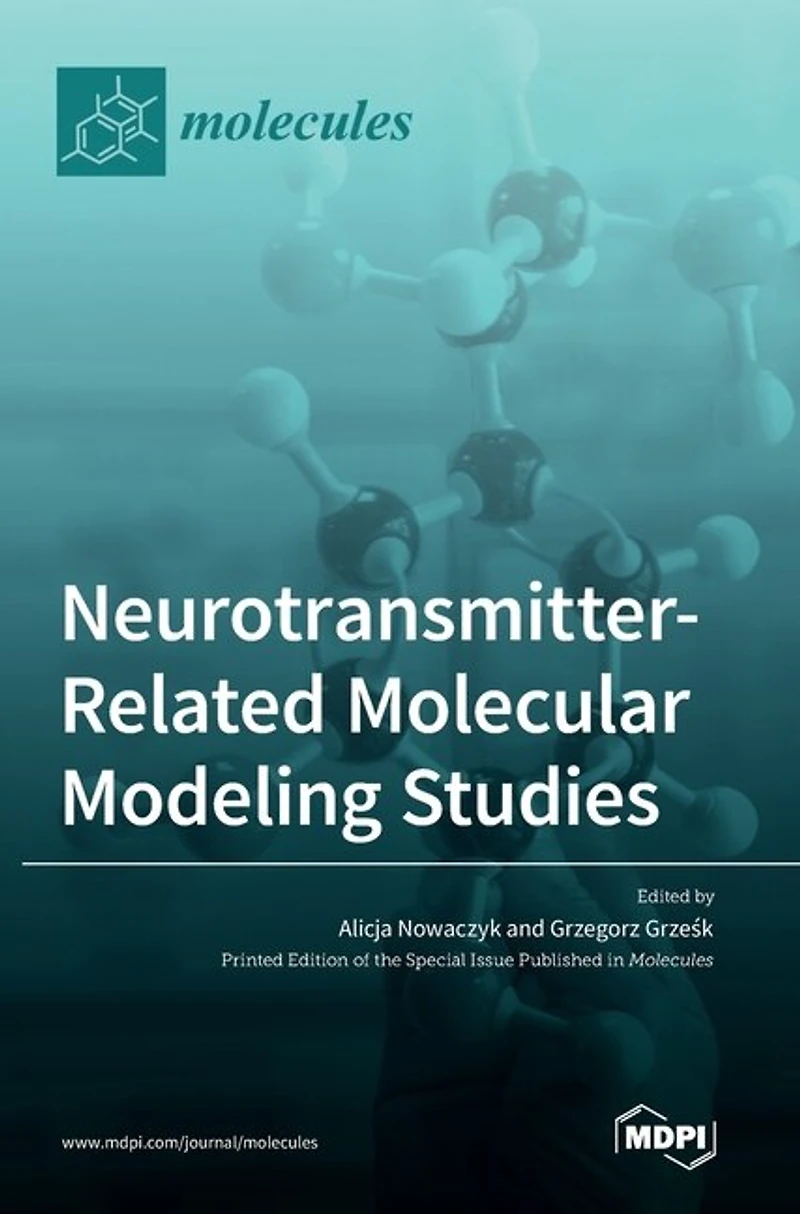
Neurotransmitter: Related Molecular Modeling Studies in Grande Prairie, AB
Current price: $86.38
Coles
Neurotransmitter: Related Molecular Modeling Studies in Grande Prairie, AB
Current price: $86.38
Loading Inventory...
Size: Hardcover
*Product information and pricing may vary - to confirm current pricing, availability, shipping, and return information please contact Coles. In the event of a pricing discrepancy, the retailer's price will apply.
This book focuses of the neurotransmission phenomenon. By definition, neurotransmitters are chemicals that enable communication, i.e., the flow of nerve impulses between nerve cells or between nerve cells and muscles and glands. Recently, one can distinguish excitatory and inhibitory mediators, both of which are endo-exogenous compounds that control the function of the whole organism. From a chemical point of view, neurotransmitters belong to many different structural groups, such as amino acids (such as glycine), peptides (such as substance P, somatostatin), monoamines (such as noradrenaline or dopamine), purine derivatives (such as adenosine), gases (such as nitrogen, NO, carbon monoxide CO), and acetylcholine. From a medical point of view, disturbances in the concentration of neurotransmitters in the body result in the occurrence of mental disorders and diseases (such as depression, schizophrenia, Parkinson's disease) and contribute to the occurrence of dementia (including Alzheimer's disease), among other diseases. However, the problem is much wider. These disorders can lead to a number of cardiovascular diseases and can lead to the development of vascular diseases of the brain as well as in many other organs. Therefore, pharmacological intervention is a therapy that tries to interfere with regulatory processes year after year. Such treatments improve survival, reduce the frequency of readmission, and improve patients' quality of life.
This book focuses of the neurotransmission phenomenon. By definition, neurotransmitters are chemicals that enable communication, i.e., the flow of nerve impulses between nerve cells or between nerve cells and muscles and glands. Recently, one can distinguish excitatory and inhibitory mediators, both of which are endo-exogenous compounds that control the function of the whole organism. From a chemical point of view, neurotransmitters belong to many different structural groups, such as amino acids (such as glycine), peptides (such as substance P, somatostatin), monoamines (such as noradrenaline or dopamine), purine derivatives (such as adenosine), gases (such as nitrogen, NO, carbon monoxide CO), and acetylcholine. From a medical point of view, disturbances in the concentration of neurotransmitters in the body result in the occurrence of mental disorders and diseases (such as depression, schizophrenia, Parkinson's disease) and contribute to the occurrence of dementia (including Alzheimer's disease), among other diseases. However, the problem is much wider. These disorders can lead to a number of cardiovascular diseases and can lead to the development of vascular diseases of the brain as well as in many other organs. Therefore, pharmacological intervention is a therapy that tries to interfere with regulatory processes year after year. Such treatments improve survival, reduce the frequency of readmission, and improve patients' quality of life.
You May Also Like















Find at Prairie Mall in Grande Prairie, AB
Visit at Prairie Mall in Grande Prairie, AB