


Gifting Made Simple
Give the Gift of ChoiceClick below to purchase a Prairie Mall eGift Card that can be used at participating retailers at Prairie Mall.Buy Gift CardHome
Nazar Boy: poems
Coles
Loading Inventory...
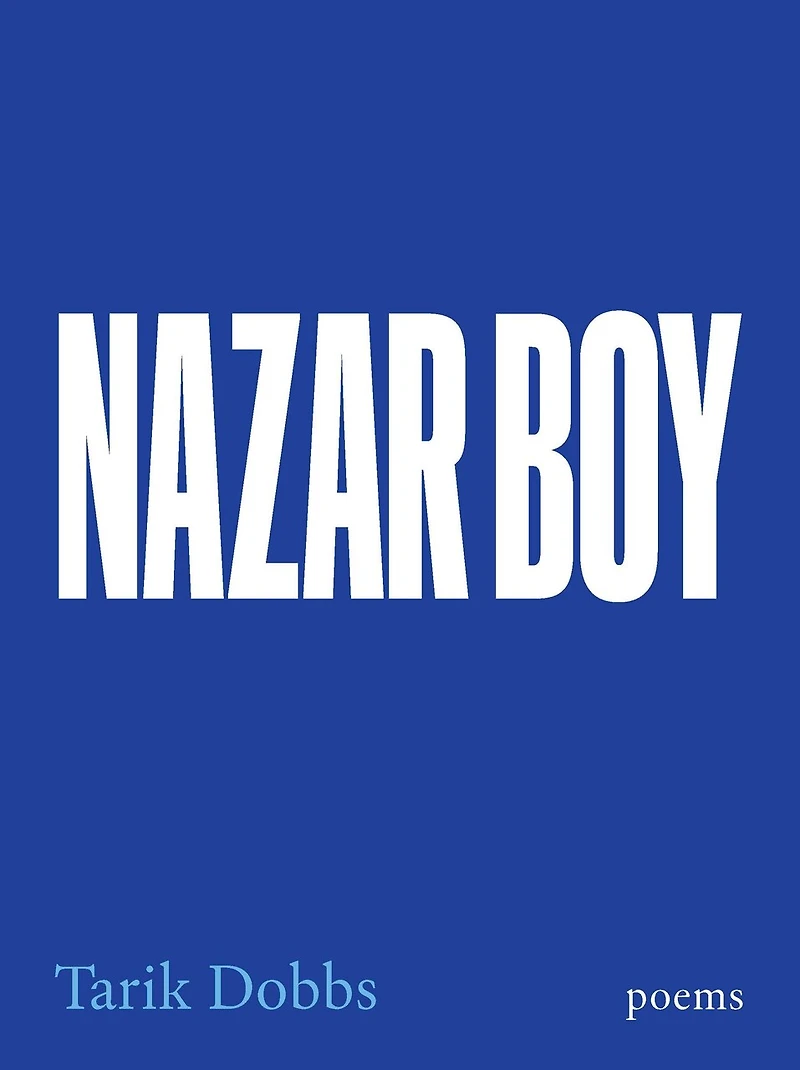
Nazar Boy: poems in Grande Prairie, AB
Current price: $26.50
Coles
Nazar Boy: poems in Grande Prairie, AB
Current price: $26.50
Loading Inventory...
Size: Paperback
*Product information and pricing may vary - to confirm current pricing, availability, shipping, and return information please contact Coles. In the event of a pricing discrepancy, the retailer's price will apply.
From one of the most imaginative and radical voices in contemporary poetry, a debut collection of fierce tenderness, political acuity, and powerful lyricism.
Tarik Dobbs’s work explores surveillance, queerness, disability, race, and working-class identity in post-9/11 America. As an Arab American writer, Dobbs is achingly familiar with the power dynamics, violence, and capitalistic undercurrents woven through the language of the colonizer. They challenge this power in visual, free-verse, and formally intense poems—both traditional and innovative—that stretch the elasticity of borders, verbs, images, redactions, and more. Ranging from sonnets to concrete poems, Nazar Boy is visually stimulating, thought-provoking, emotionally wrenching, and exquisitely crafted.
Dobbs’ poems blur and collapse narrative distances within and between places, from the Levant to Michigan, and break down dichotomies portrayed in Western media: between Arabness and whiteness, intellectualism and the working poor, Muslimness and queerness, disability and desire. By turns irreverent and serenely gentle, Dobbs calls us to speak, to dream, and to imagine beyond those distances so that we might speak, dream, and imagine better versions of ourselves, our relationships to each other, and our places in the world.
From one of the most imaginative and radical voices in contemporary poetry, a debut collection of fierce tenderness, political acuity, and powerful lyricism.
Tarik Dobbs’s work explores surveillance, queerness, disability, race, and working-class identity in post-9/11 America. As an Arab American writer, Dobbs is achingly familiar with the power dynamics, violence, and capitalistic undercurrents woven through the language of the colonizer. They challenge this power in visual, free-verse, and formally intense poems—both traditional and innovative—that stretch the elasticity of borders, verbs, images, redactions, and more. Ranging from sonnets to concrete poems, Nazar Boy is visually stimulating, thought-provoking, emotionally wrenching, and exquisitely crafted.
Dobbs’ poems blur and collapse narrative distances within and between places, from the Levant to Michigan, and break down dichotomies portrayed in Western media: between Arabness and whiteness, intellectualism and the working poor, Muslimness and queerness, disability and desire. By turns irreverent and serenely gentle, Dobbs calls us to speak, to dream, and to imagine beyond those distances so that we might speak, dream, and imagine better versions of ourselves, our relationships to each other, and our places in the world.
You May Also Like









Find at Prairie Mall in Grande Prairie, AB
Visit at Prairie Mall in Grande Prairie, AB