


Gifting Made Simple
Give the Gift of ChoiceClick below to purchase a Prairie Mall eGift Card that can be used at participating retailers at Prairie Mall.Buy Gift CardHome
Natural Resources, Inequality and Conflict
Coles
Loading Inventory...
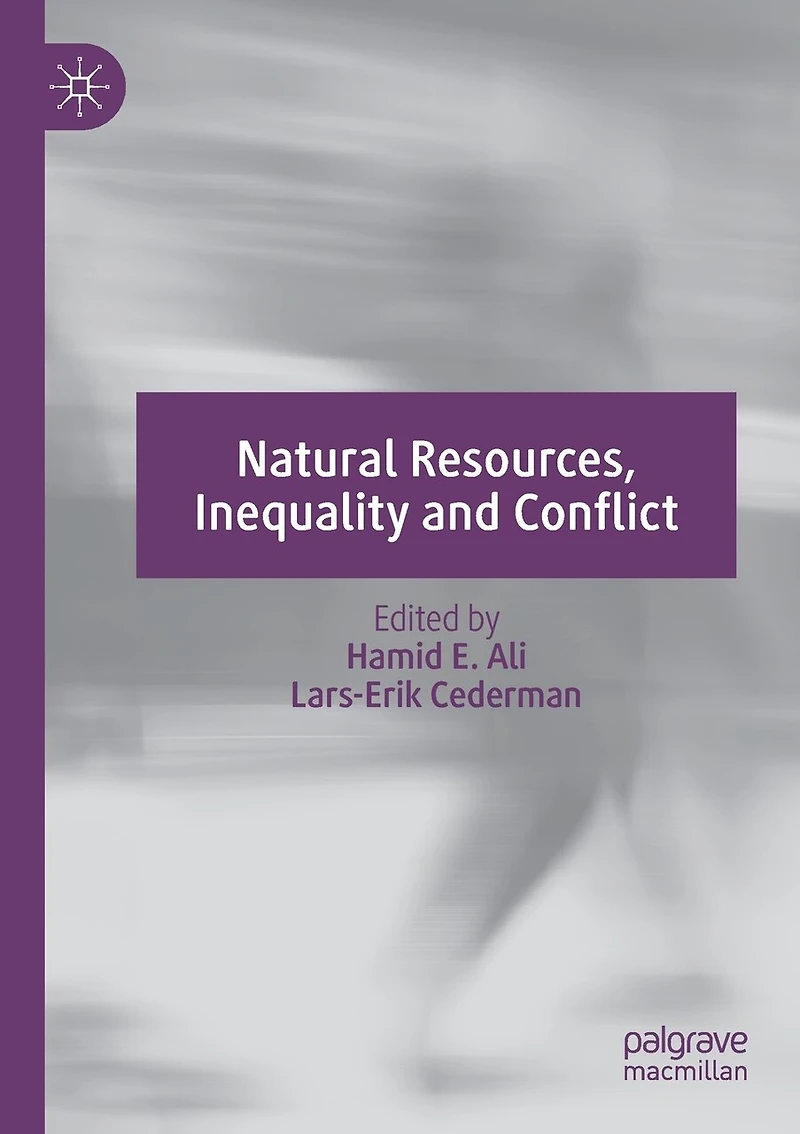
Natural Resources, Inequality and Conflict in Grande Prairie, AB
Current price: $233.95
Coles
Natural Resources, Inequality and Conflict in Grande Prairie, AB
Current price: $233.95
Loading Inventory...
Size: Paperback
*Product information and pricing may vary - to confirm current pricing, availability, shipping, and return information please contact Coles. In the event of a pricing discrepancy, the retailer's price will apply.
This edited volume explores the link between natural resources and civil conflict, focusing especially on protest and violence in the context of mining and the extraction of minerals. The primary goal of the book is to analyze how the conflict-inducing effect of natural resources is mediated by inequality and grievances. Given the topicality of the current boom in mining, the main empirical focus is on non-fuel minerals. The work contains large-N studies of fuel and non-fuel resources and their effect on conflict. It presents case studies focusing on Zambia, India, Guatemala, and Burkina Faso, which investigate the mechanisms between the extraction of natural resources and violent conflict. Finally, the book provides a summary of the previous analyses.
This edited volume explores the link between natural resources and civil conflict, focusing especially on protest and violence in the context of mining and the extraction of minerals. The primary goal of the book is to analyze how the conflict-inducing effect of natural resources is mediated by inequality and grievances. Given the topicality of the current boom in mining, the main empirical focus is on non-fuel minerals. The work contains large-N studies of fuel and non-fuel resources and their effect on conflict. It presents case studies focusing on Zambia, India, Guatemala, and Burkina Faso, which investigate the mechanisms between the extraction of natural resources and violent conflict. Finally, the book provides a summary of the previous analyses.
You May Also Like









Find at Prairie Mall in Grande Prairie, AB
Visit at Prairie Mall in Grande Prairie, AB